Most reads
- How and what are the Exportation from Iran to Oman 0 to 100?
- Top Canadian Exports Products in Global Demand in 2026
- Import screen from China
- Import from Iran
- Exporting Iranian Products to Kuwait
- What is Certificate of origin? (COO)
- Exporting Wheat from Canada
- Exporting dates from Iran
- Export Iranian products to Bahrain
- Import Pipes from China
- Export from Iran
- How to Export Iranian Iron Ore A Guide to Suppliers, Logistics, and Trade Compliance
- Canadian automotive exports Market and how to Export
- Pricing of Your Exporting Product in 2025
- 9 strategies find International buyers for my products
- Export walnut from Iran
- What supplier needs to know before exporting agricultural products in 2025?
- Why is exporting oil and fuel from Canada leading the global market?
- Incoterms 2020 and its importance for Exporters & Importers
- Lumber suppliers list 2025 best prices guide
Top Products Exported from Iran
Iran, with its strategic location and rich natural resources, has long been a major player in the global trade market. Import from Iran presents a unique opportunity for countries around the world to access a variety of high-demand goods. As a key exporter of petroleum and petroleum-based products, Iran stands among the largest producers of oil and natural gas, contributing significantly to the global energy market. Countries importing from Iran benefit from stable access to crude oil, refined petroleum, and liquefied natural gas (LNG), products essential for industries ranging from manufacturing to transportation.
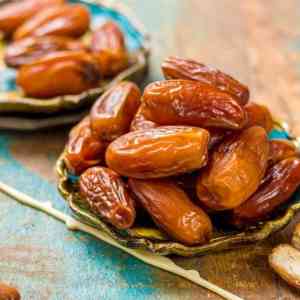
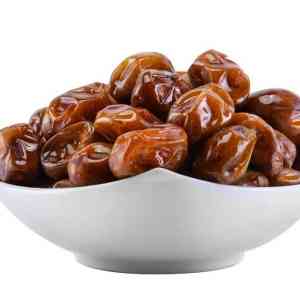
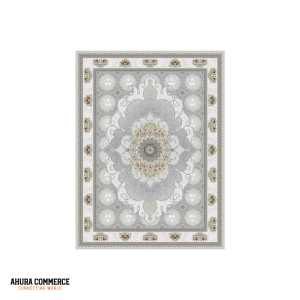
Aside from energy, Iran is also renowned for its diverse range of non-oil exports. Among the top products are Persian carpets, which are highly sought after for their exquisite craftsmanship and cultural significance. In fact, Iran is the world's largest exporter of handmade carpets, with these goods contributing significantly to the country's non-oil revenues. Additionally, Iran’s agricultural sector exports top-quality pistachios, saffron, and dates, all of which have garnered international recognition for their flavor and quality. Importing these goods from Iran provides access to premium products that enhance various markets, from luxury goods to food industries.
Industrial products such as petrochemicals, cement, and steel also rank high among Iran's top exports. These commodities are essential for global infrastructure projects, making them integral for construction, manufacturing, and energy sectors worldwide. Importers from Iran tap into a reliable source of raw materials and industrial products, ensuring supply chain continuity. By focusing on importing from Iran, businesses worldwide can not only gain access to valuable products but also support diversification in their sourcing strategies.
Iran's Trade Regulations and Import Laws
Import from Iran is governed by a set of trade regulations and laws designed to ensure smooth and legal transactions for businesses around the world. Understanding these laws is crucial for importers to navigate the complexities of doing business with Iran. The key regulatory body overseeing trade in Iran is the Ministry of Industry, Mine, and Trade, which regulates both domestic and international commerce. Additionally, the Iranian Customs Administration plays a pivotal role in enforcing import laws, monitoring customs duties, and managing the movement of goods into the country.
One of the essential regulations is the requirement for an import license. To facilitate the Import from Iran, businesses need to apply for the necessary documentation that allows them to legally engage in trade with Iranian entities. Certain goods may also be subject to quota systems or restrictions based on Iran’s domestic production needs or international sanctions. Importers must carefully evaluate the legal status of their desired goods to ensure compliance with these rules, avoiding potential legal complications. Furthermore, the standard customs duties vary by product type, and tariff rates can influence the overall cost structure of importing goods from Iran.
In addition to the tariffs and import duties, Iran follows strict guidelines concerning the quality standards of products entering and leaving the country. This ensures that all goods meet both Iranian and international standards for safety and quality. The table below provides an overview of key requirements and trade regulations to keep in mind for the Import from Iran.
|
Category |
Regulation/Requirement |
Details |
|
Import License |
Required for most goods |
Businesses need to obtain an import license to legally trade with Iran |
|
Customs Duties and Tariffs |
Product-specific rates |
Rates vary depending on the product type and can range from low percentages to higher tariffs |
|
Restricted Products |
Quotas or prohibitions may apply |
Some goods are subject to import quotas or are restricted due to domestic production policies |
|
Sanctions Compliance |
Must adhere to international sanctions |
Importers must ensure goods are not restricted by international sanctions |
|
Quality Standards |
Must meet Iranian and international norms |
Imported goods must comply with quality and safety standards to be eligible for importation |
Understanding these regulations is vital for a smooth and legally compliant Import from Iran, ensuring businesses can benefit from the diverse range of products the country offers without facing legal or logistical challenges.
Iran's Major Export Markets and Trading Partners
Import from Iran connects global markets to a wide array of valuable products, with several countries emerging as key trading partners. Despite various economic sanctions, Iran has maintained significant trade relationships with countries across Asia, Europe, and the Middle East. Iran's major export markets are primarily driven by its rich natural resources, particularly in the oil, gas, and petrochemical sectors, which remain central to its trade portfolio. Leading countries such as China, India, and Turkey are among the largest importers of Iranian goods, benefiting from energy resources and other key commodities.
China is Iran's largest trading partner, accounting for a significant portion of Iran’s total exports. The close economic ties between the two countries are centered around energy, with China importing vast amounts of crude oil and petrochemical products from Iran. In addition, non-oil products like minerals, metals, and agricultural goods also make their way to China, further solidifying their trade relationship. The mutual interest in long-term cooperation has positioned China as a key player in the Import from Iran, contributing to both nations' economic growth.
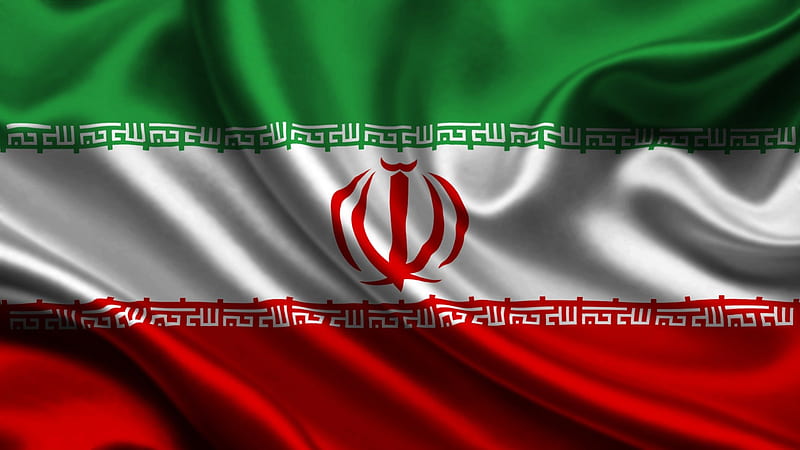
Countries Importing from Iran
The economic landscape of the Import from Iran is shaped by a diverse set of countries, each playing a crucial role in sustaining trade with Iran despite various global challenges. Iran's strategic position and its wealth of natural and industrial resources have made it an attractive trading partner for many nations. Beyond its top partners like China, India, and Turkey, several other countries from Europe, Asia, and the Middle East have established strong import channels, benefiting from Iran’s extensive array of products.
- Iraq is one of the largest importers of Iranian goods, especially non-oil products such as electricity, cement, and food. As neighboring countries, Iraq and Iran share a robust trade relationship that continues to grow.
- The United Arab Emirates (UAE), despite political tensions, is a major hub for re-exports, importing a variety of Iranian products including steel, petrochemicals, and agricultural goods, and often redistributing them across other global markets.
- Afghanistan relies heavily on imports from Iran, with goods like petroleum products, foodstuffs, and construction materials making up a significant portion of their trade relationship.
- Oman has also strengthened ties with Iran, focusing on non-oil sectors, including minerals, fishery products, and agricultural goods.
- Syria imports a variety of Iranian industrial products, construction materials, and food items, underlining their political and economic alliance.
This extensive network of trading partners ensures that the Import from Iran remains a vital component of the global trade framework, providing access to a wide range of products from energy resources to consumer goods.
India and Turkey are also crucial destinations for Iranian exports. India imports substantial quantities of Iranian petroleum, fertilizers, and agricultural products like saffron and pistachios. Meanwhile, Turkey's trade with Iran encompasses a wide range of goods, including petrochemicals, steel, and food products. Iran’s geographical proximity to Turkey makes it a natural trading partner, and both countries benefit from increased regional trade. These partnerships ensure that businesses interested in the Import from Iran can tap into established trade routes, creating opportunities for diverse industries worldwide.
|
Country |
Key Imported Products from Iran |
Trade Highlights |
|
China |
Crude oil, petrochemicals, metals, agricultural goods |
Iran's largest trading partner, with deep cooperation in energy and raw materials |
|
India |
Petroleum, fertilizers, agricultural products (saffron, pistachios) |
Major importer of Iranian oil; growing interest in Iranian food products and fertilizers |
|
Turkey |
Petrochemicals, steel, food products |
Close geographical proximity allows for extensive trade in industrial and agricultural goods |
These key trading partners demonstrate the global demand for Iranian products, showcasing the importance of fostering and expanding the Import from Iran to meet international market needs.
Random Adverts from Random Advertisers
















































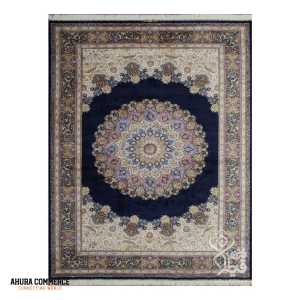


Importing Saffron, Persian Carpets, and Pistachios from Iran
When you think of luxury products with deep cultural roots, saffron, Persian carpets, and pistachios are three standout items that define Iran's export heritage. These products not only reflect the richness of Iranian craftsmanship and agriculture but also represent some of the country's most prestigious exports. For businesses and consumers around the world, the Import from Iran of these goods offers a blend of premium quality, authenticity, and tradition.
Starting with saffron, often referred to as "red gold," Iran is the largest producer and exporter of this precious spice. Grown primarily in the northeastern regions of the country, Iranian saffron is prized for its superior aroma, vibrant color, and distinct flavor. As demand for high-quality, authentic saffron grows across the globe, importers from Iran can capitalize on its reputation as the world’s best. Whether it's for use in gourmet kitchens, medicinal products, or cosmetics, saffron from Iran holds unmatched appeal.
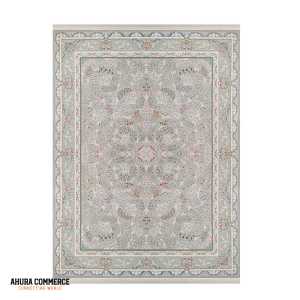
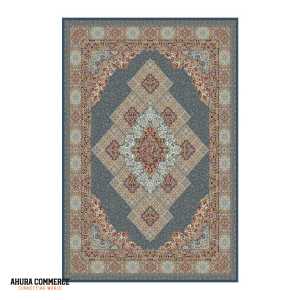
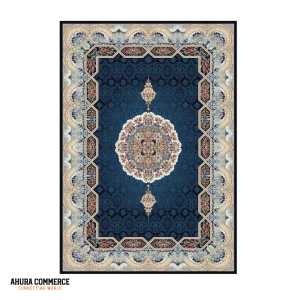
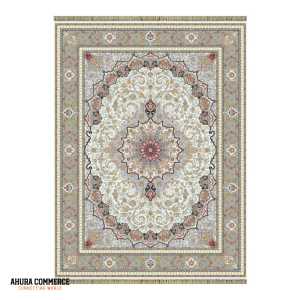
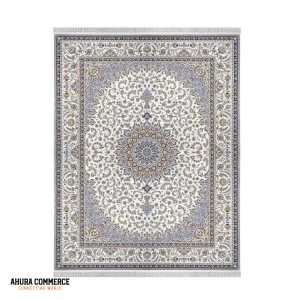
Next, Persian carpets are a symbol of Iranian culture and artistic excellence. Each rug is a masterpiece, handcrafted by skilled artisans using traditional methods passed down through generations. Known for their intricate patterns, rich colors, and durability, Persian carpets are a luxury item that continues to be highly sought after in international markets. The Import from Iran of these carpets offers consumers around the world the opportunity to own a piece of history, with each carpet telling its own story through its unique design.
Finally, pistachios, one of Iran's most famous agricultural products, have become synonymous with quality. Iranian pistachios are widely appreciated for their flavor, texture, and size, making them a favorite for both snacking and culinary use. The Import from Iran of pistachios brings access to some of the best varieties in the world, from the creamy and crunchy Kerman pistachios to the vibrant, red-skinned Ahmad Aghaei variety. With health-conscious consumers increasingly turning to pistachios as a nutrient-rich snack, demand for Iranian pistachios continues to rise.
By importing saffron, Persian carpets, and pistachios from Iran, businesses can tap into a rich tradition of quality and craftsmanship, bringing premium products to consumers who value authenticity and luxury.
Impact of Sanctions on Importing Goods from Iran
The Import from Iran has faced significant challenges due to international sanctions, which have influenced the way businesses interact with the country. Over the years, these sanctions—primarily imposed by the United States and the European Union—have aimed to restrict Iran's economic activities, particularly in sectors like oil, finance, and technology. However, the ripple effects of these sanctions extend beyond these industries, impacting the broader landscape of trade and creating obstacles for importers looking to engage in business with Iran.
One of the most prominent effects of sanctions on the Import from Iran is the limitation on financial transactions. Many international banks are hesitant to facilitate payments related to Iranian goods due to the fear of penalties or restrictions from Western governments. This has forced businesses to seek alternative and sometimes less secure methods for completing trade deals, such as using third-party countries or barter systems. The resulting complications in payment processing and currency exchanges have made importing from Iran more difficult, requiring careful navigation of global banking rules and regulations.
Additionally, sanctions have restricted access to certain technologies and shipping methods, creating logistical hurdles for the Import from Iran. Exporting industries within Iran, including those producing non-sanctioned goods such as agricultural products, carpets, and handicrafts, often face higher shipping costs, longer transit times, and fewer available trade routes. These challenges can raise the cost of Iranian products on the global market, impacting their competitiveness despite the high quality of goods like saffron, pistachios, and Persian carpets.
However, despite these obstacles, many businesses still seek to import from Iran, driven by the country's unique offerings and its role in supplying niche markets. Importers have had to become more innovative, establishing compliant trade networks and working within the legal frameworks set by sanctioning bodies. As a result, while sanctions continue to impact the Import from Iran, resilient businesses have found ways to maintain trade relations, particularly in non-oil sectors, where demand for Iranian goods remains strong.
Logistics and Shipping Routes for Imports from Iran
Managing the logistics for the Import from Iran requires a well-planned approach, as the country's unique geographical position and the challenges posed by international sanctions impact the available shipping routes. Despite these obstacles, Iran remains a key player in global trade, with various shipping channels and transportation options connecting it to major markets across the world. The country's proximity to both land and sea routes offers flexibility for importing goods, depending on the destination and the type of product being shipped.
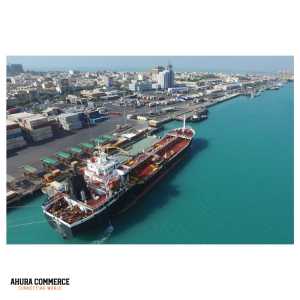
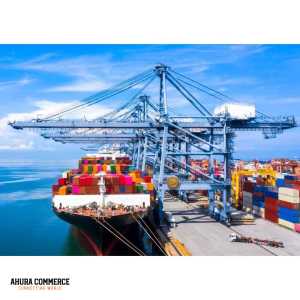
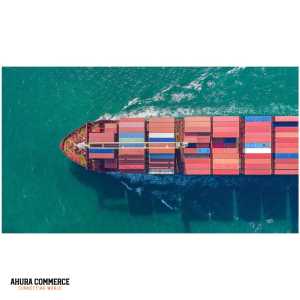
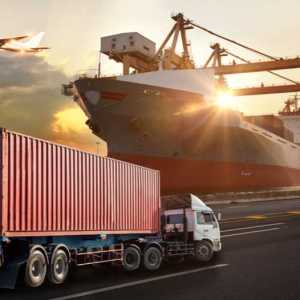
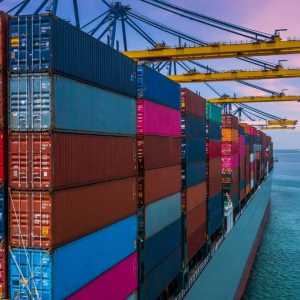
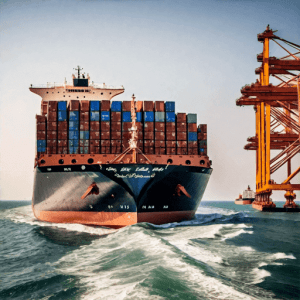
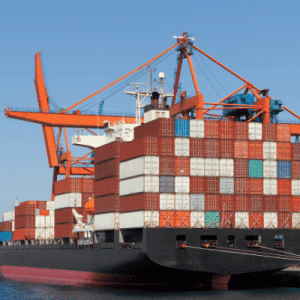
One of the most significant advantages for businesses looking to Import from Iran is the access to the Persian Gulf, which serves as a gateway to the global shipping network. The port of Bandar Abbas, Iran’s largest and most active port, handles a substantial portion of the country’s imports and exports. From this strategic point, shipments can be transported via sea routes to Asia, Africa, and Europe. Goods like Persian carpets, pistachios, and petrochemicals are often exported from Bandar Abbas, taking advantage of well-established shipping lanes through the Strait of Hormuz. This sea route allows for relatively quick and cost-effective transportation of bulk commodities and containerized goods.
For land-based transport, Iran’s central location in the Middle East enables overland logistics for imports to nearby countries like Turkey, Iraq, Afghanistan, and Pakistan. Road and rail networks play a crucial role, particularly in moving goods such as agricultural products, raw materials, and industrial equipment. Iran is also part of the International North-South Transport Corridor (INSTC), which connects it with Russia and India through a combination of rail, road, and maritime routes. This corridor is particularly important for businesses looking to Import from Iran to markets in the Caucasus, Central Asia, and Europe.
While logistical challenges exist due to sanctions, particularly with limited access to Western shipping services, Iranian exporters and their international partners have developed alternative strategies. The use of intermediary countries like the UAE or Oman for transshipment is common, enabling goods to be re-exported from Iran to global markets without directly violating restrictions. Additionally, Iran’s focus on developing its domestic logistics infrastructure, including rail expansions and upgrades to ports like Chabahar, further enhances the ease of importing goods from the country.
In summary, the logistics and shipping routes for the Import from Iran offer flexibility through sea, land, and multi-modal transport. Although sanctions complicate some aspects of trade, Iran's strategic geographic location and diverse transportation infrastructure continue to make it a viable option for businesses seeking high-quality goods from the region.
Challenges and Opportunities in Importing from Iran
Challenges of Import from Iran:
- Sanctions and Trade Restrictions: International sanctions, particularly from the U.S. and EU, limit financial transactions and access to certain markets.
- Payment and Banking Hurdles: Difficulty in processing payments through global banking systems due to restrictions on financial dealings with Iran.
- Logistical Complexities: Limited shipping options and longer transit times due to sanctions on major shipping companies and restrictions on sea routes.
- Uncertainty and Instability: Frequent changes in political and economic conditions create uncertainty, making it harder to plan long-term trade strategies.
- Quality and Certification Issues: Compliance with international standards and ensuring that imported goods meet quality certifications can sometimes be a challenge.
- Limited Access to Technology: Restrictions on the import of advanced technology and machinery hinder trade in certain high-tech sectors.
Opportunities of Import from Iran:
- Diverse Range of Unique Products: High-quality agricultural goods (like saffron and pistachios), Persian carpets, and petrochemical products are in global demand.
- Geographic Advantage: Iran's strategic location provides access to both land and sea routes, making it a gateway for trade with Asia, Europe, and the Middle East.
- Growing Non-Oil Sectors: Increased focus on non-oil exports, such as minerals, textiles, and food products, creates new opportunities for importers.
- Competitive Pricing: Many Iranian products are competitively priced, especially in industries where local production costs are lower than global competitors.
- Untapped Markets: As restrictions gradually ease in certain areas, new market segments may open, providing opportunities for early movers.
- Cultural and Artisanal Goods: Demand for traditional Iranian crafts and luxury items like Persian rugs and handwoven textiles continues to grow globally, offering niche market potential.
By understanding both the challenges and opportunities in the Import from Iran, businesses can better navigate the complexities of trade while tapping into valuable product markets.
Importing Handicrafts and Artisanal Goods from Iran
The Import from Iran of handicrafts and artisanal goods offers access to a rich tradition of craftsmanship that dates back thousands of years. Iranian artisans are renowned for their mastery in creating intricate items such as handwoven textiles, pottery, metalwork, and woodcrafts. Each piece reflects the country’s cultural heritage, with designs often inspired by Persian art and architecture. These handcrafted items are highly valued in global markets for their authenticity, attention to detail, and use of natural materials, making them popular in the luxury goods and home décor sectors.
Iranian handicrafts, like miniature paintings, kilims, and enamel work, offer unique opportunities for importers seeking to provide their customers with distinct, high-quality products. The growing global appreciation for ethically sourced and handmade goods further enhances the appeal of these items. Importing from Iran not only supports traditional crafts but also provides consumers with access to authentic products that blend history and artistry, adding a cultural richness to any collection or marketplace.
Customs Procedures for Importing Goods from Iran
Navigating the customs procedures for the Import from Iran requires a thorough understanding of both international and local regulations. Importers must comply with specific documentation, licensing, and tariff structures to ensure a smooth import process. Below are the key steps and considerations for importing goods from Iran.
Required Documentation for Importing from Iran
To initiate the Import from Iran, businesses must present several essential documents, including:
- Commercial Invoice: Detailing the transaction value and product description.
- Bill of Lading: For sea freight shipments, outlining the transport details.
- Certificate of Origin: Confirming that the goods are produced in Iran, often required to determine applicable tariffs.
- Packing List: Providing detailed information on the packaging and contents of the shipment.
- Import License: Certain goods require an import license, depending on the product category and destination country regulations.
Tariffs and Duties
Each product category imported from Iran is subject to specific tariff rates, which vary depending on the goods and the trade agreements in place between Iran and the importing country. Many Iranian products, especially agricultural and handicraft goods, may benefit from lower tariff rates if the country of destination has a favorable trade agreement with Iran.
Customs Clearance
Customs clearance for the Import from Iran often involves inspections to ensure the goods comply with international standards, such as quality certifications and safety regulations. Importers are responsible for paying any applicable customs duties and taxes, which are calculated based on the declared value and classification of the goods. Delays in customs clearance can occur if all required documentation is not in order, so thorough preparation is essential to avoid disruptions.
Understanding and adhering to these customs procedures is crucial for ensuring a smooth and compliant Import from Iran process, allowing businesses to efficiently bring high-quality Iranian products to global markets.
All in all of Import from Iran
The Import from Iran offers both challenges and opportunities, requiring businesses to navigate regulatory complexities and logistical hurdles while tapping into a rich source of unique and high-quality products. For those willing to invest the time and effort, Iran remains a lucrative market for a diverse array of goods, from artisanal handicrafts and agricultural products to raw materials and industrial exports. With the right strategy and adherence to customs procedures, businesses can successfully import Iranian products and gain a competitive edge in their respective markets.


Ahura Commerce facilitates seamless international trade. Our platform empowers businesses of all sizes to navigate import/export regulations, connect with global partners, and optimize logistics. Leverage our expertise and network to achieve sustainable growth in today's interconnected marketplace.


