Most reads
- How and what are the Exportation from Iran to Oman 0 to 100?
- Top Canadian Exports Products in Global Demand in 2026
- Import screen from China
- Import from Iran
- Exporting Iranian Products to Kuwait
- What is Certificate of origin? (COO)
- Exporting Wheat from Canada
- Exporting dates from Iran
- Export Iranian products to Bahrain
- Import Pipes from China
- Export from Iran
- How to Export Iranian Iron Ore A Guide to Suppliers, Logistics, and Trade Compliance
- Canadian automotive exports Market and how to Export
- Pricing of Your Exporting Product in 2025
- 9 strategies find International buyers for my products
- Export walnut from Iran
- What supplier needs to know before exporting agricultural products in 2025?
- Why is exporting oil and fuel from Canada leading the global market?
- Incoterms 2020 and its importance for Exporters & Importers
- Lumber suppliers list 2025 best prices guide
Main Iranian Products for Export
Iran, positioned strategically and rich in natural resources, is a key player in global trade. Export from Iran grants countries worldwide access to essential goods in high demand. As a major exporter of oil and petroleum products, Iran ranks among the top producers of crude oil and natural gas, significantly impacting the global energy landscape. Countries that import from Iran enjoy a reliable supply of crude oil, refined products, and liquefied natural gas (LNG), which are crucial for industries like manufacturing and transportation.
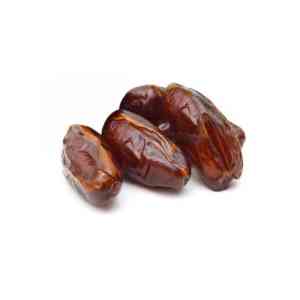
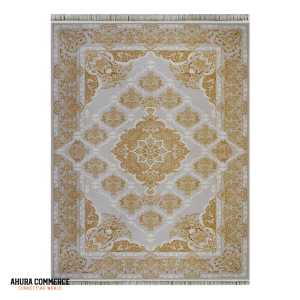
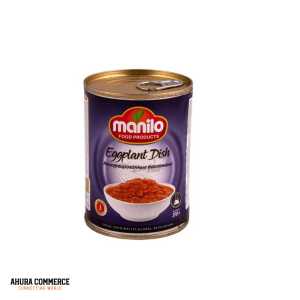
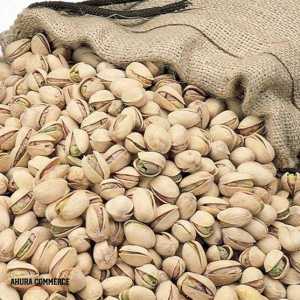
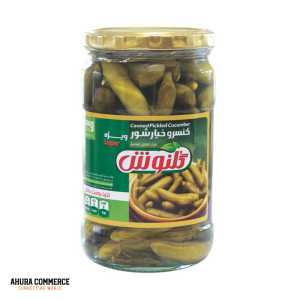
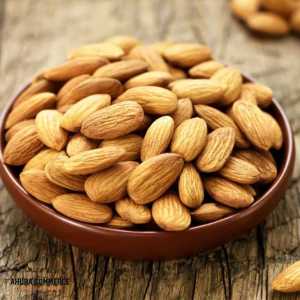
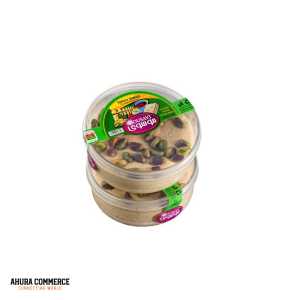
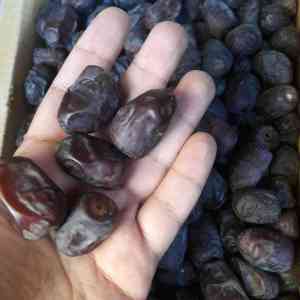
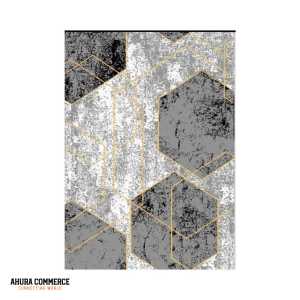
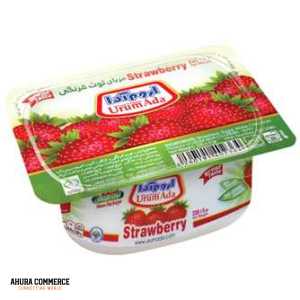
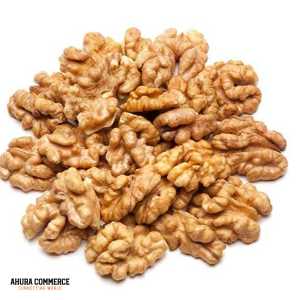
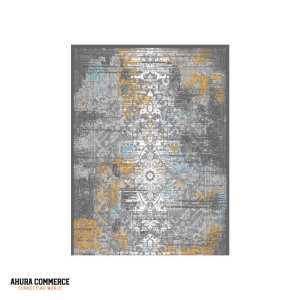
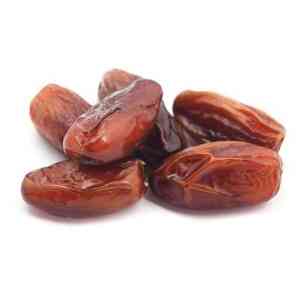
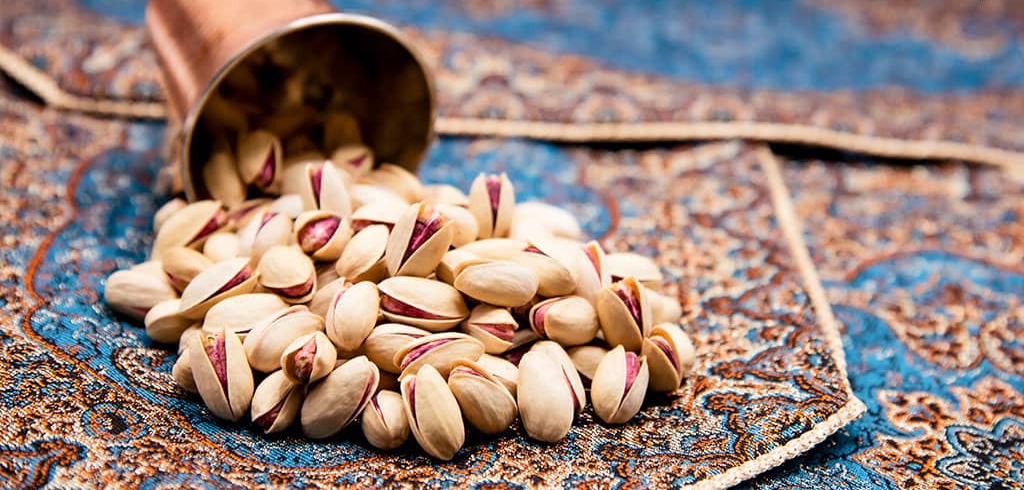
Beyond its energy exports, Iran is recognized for a variety of non-oil goods. Persian carpets, renowned for their intricate craftsmanship and cultural value, are a prime example. Iran leads the world in handmade carpet exports, contributing significantly to its non-oil revenue. The agricultural sector also shines, with high-quality exports such as pistachios, saffron, and dates—luxury products celebrated for their superior taste and quality. Exporting these goods from Iran provides access to premium products that appeal to both gourmet and commercial markets.
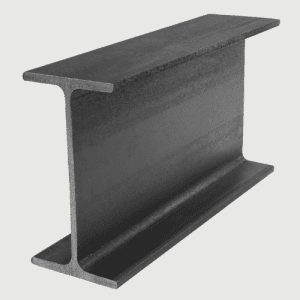
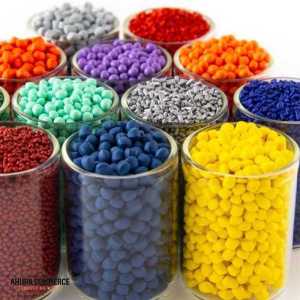
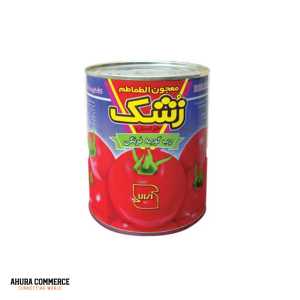
Iran’s industrial exports, including petrochemicals, cement, and steel, are also in demand globally. These materials are critical to infrastructure projects and industries like construction and energy. Focusing on export from Iran allows businesses worldwide to secure a stable supply of quality raw materials, enhancing supply chains and broadening product sources.










































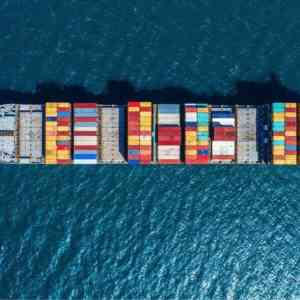


Iran's Trade Regulations and Exporting Laws
Export from Iran is subject to a range of trade regulations and laws, designed to facilitate smooth and legal international business transactions. Understanding these regulations is essential for companies looking to export from Iran.
The Ministry of Industry, Mine, and Trade oversees both domestic and international trade, while the Iranian Customs Administration ensures compliance with export laws, customs duties, and the movement of goods. Exporting from Iran is regulated by a range of laws designed to ensure legal and efficient international trade.
Key governing bodies:
- The Ministry of Industry, Mine, and Trade oversees both domestic and international trade.
- The Iranian Customs Administration enforces compliance with export laws, customs duties, and product movement.
Export license:
- Companies must obtain an export license to legally trade with Iran.
- Certain goods may be subject to quotas or restrictions based on domestic production needs or international sanctions.
Customs duties and tariffs:
- These vary depending on the type of product being exported and must be factored into the overall cost of exporting.
Quality standards:
- Iran enforces strict quality control measures, ensuring products meet both Iranian and international standards.
- Compliance with these standards helps maintain the reputation of Iranian goods in global markets.
Legal and logistical considerations:
- Exporters must ensure their goods comply with all legal requirements to avoid complications.
- Familiarizing with regulations ensures smooth, legal, and cost-efficient export from Iran.
Furthermore, Iran adheres to strict quality standards for its exported goods, ensuring that they meet both Iranian and international norms. Compliance with these standards ensures that products leaving Iran maintain a reputation for quality and reliability in global markets. Exporters must familiarize themselves with these regulations to ensure a smooth and legal export from Iran, leveraging the country’s extensive product range while navigating any logistical or legal challenges.
Exporting destinations of Iranian exporters
As you know, Iran has some fixed countries as the main exporting destination for Iranian goods. Here are ten key countries that are significant destinations for Iranian exports:
- Export from Iran to China: Iran’s largest trading partner, primarily for oil, petrochemicals, metals, and agricultural goods.
- Export from Iran to Iraq: A key market for non-oil goods, including electricity, food products, cement, and construction materials.
- Export from Iran to the United Arab Emirates (UAE): A major hub for re-exports, importing Iranian steel, petrochemicals, and agricultural products.
- Export from Iran to Turkey: Petrochemicals, steel, food products, and minerals are significant exports, benefiting from geographical proximity.
- Export from Iran to India: Imports Iranian petroleum, fertilizers, saffron, and pistachios, making it a critical trading partner.
- Export from Iran to Afghanistan: Key goods include petroleum products, foodstuffs, and construction materials.
- Export from Iran to Syria: Imports industrial goods, food products, and construction materials, reflecting strong political and economic ties.
- Export from Iran to Oman: Focused on non-oil sectors such as minerals, fishery products, and agriculture.
- Export from Iran to Russia: Iranian exports include agricultural products, petrochemicals, and industrial goods, as part of growing trade relations.
- Export from Iran to Qatar: Petroleum products, agricultural goods, and construction materials are key export items.
These countries represent a diverse range of markets that rely on both oil-based and non-oil Iranian exports.
Exporting Saffron, Persian Carpets, and Pistachios from Iran
Iran is famous for exporting some of the world's finest luxury goods, such as saffron, Persian carpets, and pistachios, all of which reflect the country's deep cultural heritage and high standards of craftsmanship. Businesses importing these products benefit from their superior quality, reputation, and the rich history they carry.
Iran is the largest producer and exporter of saffron, often referred to as "red gold" due to its high value and demand across global markets. Iranian saffron, grown primarily in the northeastern regions, is celebrated for its distinct color, aroma, and flavor. Exporting saffron from Iran offers businesses the opportunity to sell a highly sought-after product in the gourmet food, medicinal, and cosmetic industries, where the spice is prized for its versatility and quality.
Persian carpets, another iconic export from Iran, represent a unique blend of artistic skill and cultural tradition. Handcrafted by artisans using time-honored techniques, Persian carpets are known for their intricate patterns, vibrant colors, and durability. The export from Iran of these luxury items allows consumers worldwide to own a piece of cultural history, with each carpet showcasing the artistry of Iranian weavers.
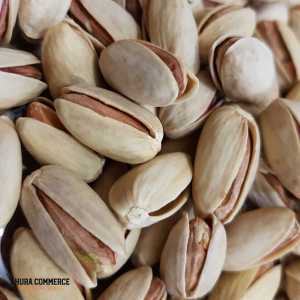
Iranian pistachios are also globally recognized for their exceptional quality, taste, and texture. Known for varieties like the Kerman and Ahmad Aghaei pistachios, Iranian pistachios are favored by consumers as a nutrient-dense snack or culinary ingredient. Exporting pistachios from Iran grants businesses access to one of the world's most prized agricultural products, with increasing demand from health-conscious and gourmet markets.
By focusing on these luxury goods, companies that engage in export from Iran tap into a rich legacy of quality and craftsmanship, offering their customers exclusive access to premium products that are rooted in Iranian heritage.
Challenges and Opportunities in Exporting from Iran
While export from Iran offers many high-quality products, it also presents a number of challenges due to international sanctions, trade restrictions, and logistical hurdles. However, for businesses willing to navigate these complexities, Iran provides unique opportunities across various sectors.
Challenges for Export from Iran:
- Sanctions and Trade Restrictions: International sanctions, particularly from the U.S. and EU, pose barriers to financial transactions and limit access to certain markets, affecting export activity.
- Banking and Payment Complications: Many global banks are reluctant to handle payments for Iranian exports, creating challenges in conducting smooth financial transactions.
- Logistics and Shipping Issues: Sanctions limit shipping routes and options, resulting in longer transit times and higher shipping costs, particularly for goods subject to restrictions on major shipping companies.
- Political and Economic Uncertainty: Frequent changes in political conditions can create instability in trade relationships, making it harder to predict long-term trade strategies.
- Quality Compliance: Meeting international standards and certifications can sometimes be difficult, especially for new exporters unfamiliar with the requirements of different markets.
Opportunities of export from Iran:
- Diverse Export Products: Iran offers a wide range of unique, high-quality goods such as saffron, Persian carpets, pistachios, petrochemicals, and steel, all of which are in demand globally.
- Competitive Pricing: Iranian products are often competitively priced due to lower production costs, offering importers a cost advantage.
- Strategic Location: Iran’s geographical position provides access to key trade routes, allowing exports to easily reach markets in Asia, Europe, and the Middle East.
- Niche Markets for Artisanal Goods: The growing global appreciation for artisanal and luxury goods such as Persian carpets and handicrafts creates strong market potential for exporters from Iran.
- Expanding Non-Oil Exports: Iran's increased focus on diversifying its exports away from oil and gas opens up new opportunities in sectors such as agriculture, minerals, and textiles.
By strategically approaching the export from Iran, businesses can capitalize on the country's unique offerings, from artisanal goods to raw materials, while carefully managing the risks associated with sanctions and international trade. With the right partnerships and compliance strategies, exporting from Iran can be a lucrative and rewarding venture.
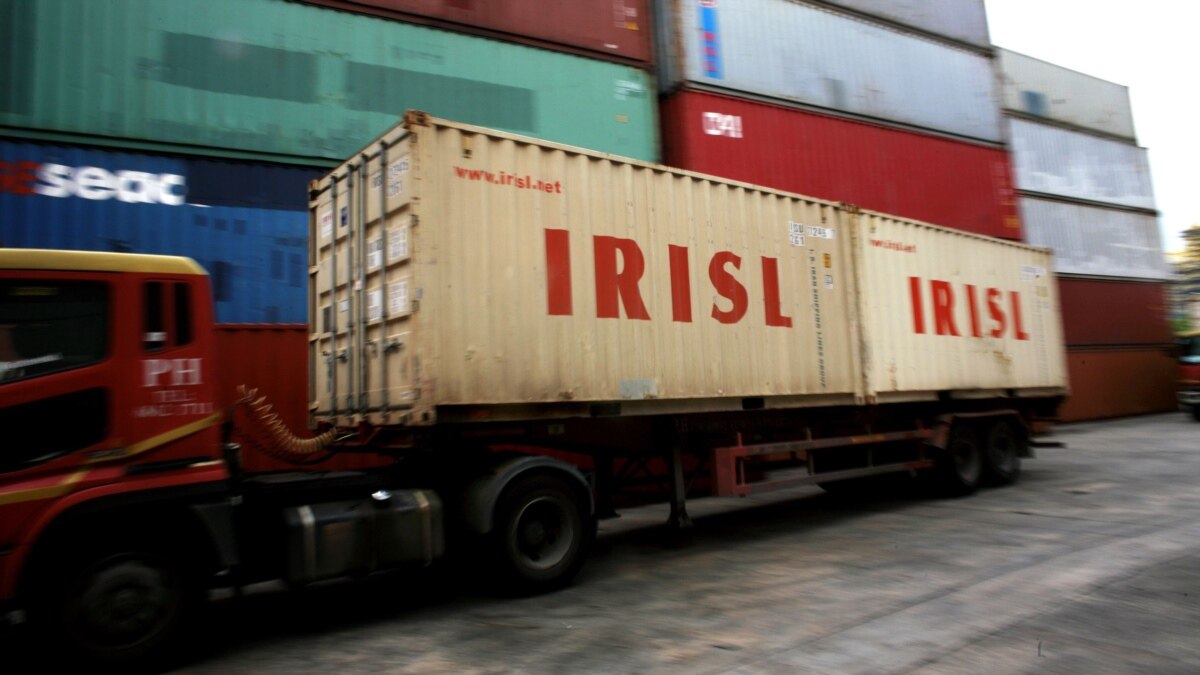
Logistics and Shipping Routes for Export from Iran
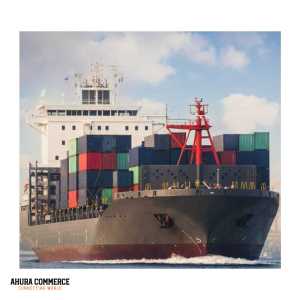
Despite the challenges posed by international sanctions, export from Iran benefits from the country’s strategic geographic position, which provides multiple shipping routes via land and sea. Iran's access to the Persian Gulf, as well as its overland connections to neighboring countries, allows for flexible transportation options that support the global export of its goods.
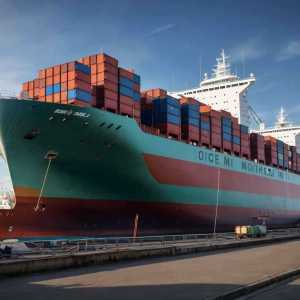
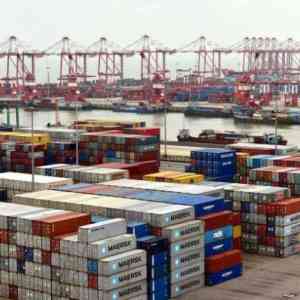
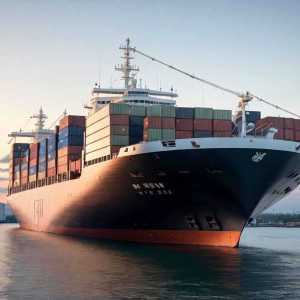
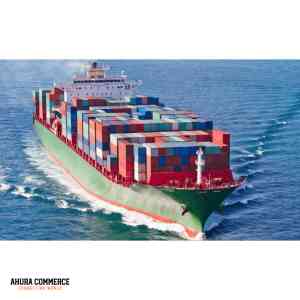
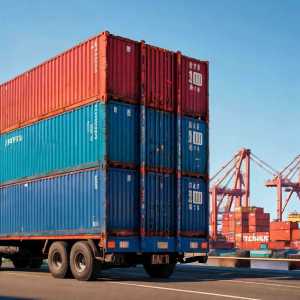
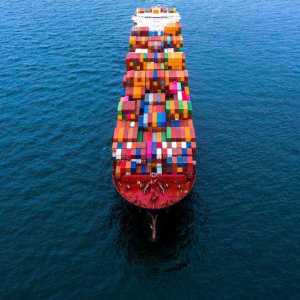
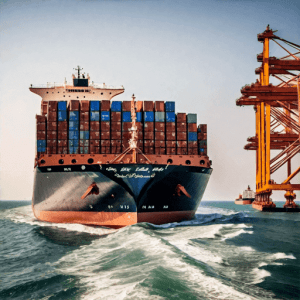
The Port of Bandar Abbas, located on the Strait of Hormuz, is Iran's largest and most important maritime hub for exporting goods. This port connects Iranian products to key markets across Asia, Africa, and Europe via established sea routes. Goods like petrochemicals, carpets, and pistachios are frequently exported from this port, making it a critical gateway for international trade. Bandar Abbas is well-equipped to handle large volumes of containerized cargo, and it remains a vital part of Iran’s trade infrastructure despite sanctions limiting access to some Western shipping services.
Additionally, the port of Chabahar, located in southeastern Iran, is undergoing expansion to become a major trade corridor. This port is particularly significant for export routes to South Asia and Central Asia, providing a direct link to India and bypassing the Strait of Hormuz. As part of the International North-South Transport Corridor (INSTC), Chabahar offers a strategic link between Iran, Russia, and India, helping to diversify Iran's export markets and reduce dependence on Gulf-based routes.
For land-based exports, Iran's road and rail networks play an essential role, particularly for neighboring countries such as Iraq, Afghanistan, and Turkey. These overland connections allow for the efficient export of products like cement, steel, and agricultural goods. Iran’s membership in the INSTC also facilitates overland trade routes that connect the country to markets in Russia, Europe, and the Caucasus. By leveraging these rail and road corridors, export from Iran continues to thrive, even with restricted sea routes.
While sanctions have imposed some logistical challenges, Iranian exporters have adapted by utilizing intermediary countries, such as the UAE and Oman, for transshipment. This strategy allows Iranian products to reach global markets without directly violating trade restrictions. The development of Iran’s domestic logistics infrastructure, including upgrades to ports and rail networks, further enhances its capacity to support large-scale exports.
Customs Procedures for Exporting Goods from Iran
Successfully managing the customs process is essential for smooth export from Iran. To ensure compliance with both international and Iranian regulations, businesses must follow specific procedures and provide the necessary documentation when exporting goods.
Key Documentation:
- Commercial Invoice: This document details the transaction, including the value of the goods and a description of the products.
- Certificate of Origin: Required to verify that the exported goods are produced in Iran, this certificate is crucial for determining tariff rates in the destination country.
- Packing List: Provides information about the packaging and contents of the shipment, which helps streamline the customs inspection process.
- Export License: Depending on the type of goods, an export license may be required. This license ensures that the goods comply with Iranian export regulations.
- Bill of Lading: For sea shipments, this document outlines transport details and serves as a receipt for the goods being shipped.
Tariffs and Duties: Each destination country may impose its own tariffs and duties on goods exported from Iran. Importers should be aware of any trade agreements that might impact the tariff rates, as some products may benefit from preferential treatment, especially agricultural and handicraft goods.
Customs Clearance: Exported goods must pass through Iranian customs, where inspections may be conducted to ensure compliance with international standards. Quality certifications, safety regulations, and adherence to sanctions laws are critical elements in the customs clearance process. Any discrepancies in the documentation or failure to comply with export regulations can lead to delays or fines. Therefore, careful preparation is essential to avoid disruptions in the export process.
By adhering to these customs procedures, businesses can ensure a streamlined export from Iran, minimizing the risk of delays and ensuring that goods reach their international destinations efficiently.
Conclusion: Opportunities and Challenges in Exporting from Iran
The export from Iran provides significant opportunities for businesses worldwide, particularly in high-quality sectors like energy, agriculture, and luxury goods. Iran's wealth of natural resources, cultural heritage, and industrial capacity makes it a valuable partner for importers seeking diversified sources of premium products. Despite the obstacles posed by international sanctions, logistical challenges, and financial restrictions, companies that navigate the complexities of exporting from Iran can access unique and highly desirable products.
The country’s strategic location, diverse transportation infrastructure, and established trade routes enable efficient exports to global markets, while Iranian exporters continue to find innovative ways to maintain trade relationships. The expansion of non-oil exports and the focus on artisanal and agricultural goods further enhances Iran's position in the international marketplace.
With careful planning, adherence to regulations, and strategic partnerships, businesses can successfully manage the export from Iran, unlocking access to a wide array of products that hold value in both mainstream and niche markets worldwide.
Some statics about exporting goods from Iran
Here is a table with key statistics related to Export from Iran:
|
Category |
Statistics (Latest Available) |
Details |
|
Total Export Value (2023) |
$50.6 billion USD |
This includes oil, gas, petrochemical products, and non-oil exports. |
|
Crude Oil Exports |
1.8 million barrels per day |
Despite sanctions, Iran continues to export significant quantities of crude oil. |
|
Natural Gas Exports |
18 billion cubic meters annually |
Iran has the second-largest natural gas reserves in the world. |
|
Top Export Product |
Petroleum and petroleum-based products (80% of total exports) |
Petroleum is the largest sector of Iran’s economy. |
|
Non-Oil Export Value |
$16.5 billion USD |
Non-oil exports include agriculture, industrial products, minerals, and handicrafts. |
|
Top Non-Oil Export |
Petrochemicals (40% of non-oil exports) |
Petrochemical products are among Iran's key industrial exports. |
|
Agricultural Exports |
$5.4 billion USD |
Includes saffron, pistachios, dates, and other agricultural products. |
|
Pistachio Exports |
135,000 metric tons (2022) |
Iran is one of the world’s largest producers and exporters of pistachios. |
|
Saffron Exports |
280 metric tons (2023) |
Iran accounts for 90% of global saffron production. |
|
Persian Carpets |
$500 million USD (2022) |
Iran is the world’s largest exporter of handmade carpets. |
|
Top Export Destinations |
China (27%), Iraq (14%), UAE (11%), Turkey (9%), India (7%) |
These countries account for the majority of Iran’s export market. |
|
Petrochemical Exports |
23 million metric tons (2023) |
Iran's petrochemical products are exported to more than 50 countries. |
|
Steel Exports |
7.6 million metric tons (2023) |
Iran is one of the top steel producers in the Middle East. |
|
Cement Exports |
12 million metric tons (2023) |
Iran is a leading exporter of cement, particularly to neighboring countries like Iraq and Afghanistan. |
|
Total Trade Surplus |
$5.3 billion USD (2023) |
Iran has maintained a positive trade balance despite international sanctions. |
|
Share of Non-Oil Exports |
32% of total exports |
Non-oil exports continue to play a growing role in diversifying Iran's economy. |
These statistics provide a snapshot of Iran’s export economy, highlighting both oil and non-oil sectors. The data shows that despite challenges like international sanctions, Iran remains a significant exporter of a wide range of products.
Overall about Export from Iran
In conclusion, export from Iran plays a vital role in the global trade landscape, with the country leveraging its rich natural resources, industrial capacity, and unique artisanal products. Iran's export destinations span across Asia, Europe, and the Middle East, with key partners like China, Iraq, the UAE, Turkey, and India, each benefiting from various sectors such as petroleum, petrochemicals, agriculture, and handicrafts. Despite facing international sanctions and logistical challenges, Iran has sustained and even expanded its non-oil export markets, underscoring the resilience and strategic importance of Iranian goods. Businesses worldwide can tap into this diverse market, ensuring access to high-demand products while navigating the complexities of global trade.


Ahura Commerce facilitates seamless international trade. Our platform empowers businesses of all sizes to navigate import/export regulations, connect with global partners, and optimize logistics. Leverage our expertise and network to achieve sustainable growth in today's interconnected marketplace.


