Most reads
- How and what are the Exportation from Iran to Oman 0 to 100?
- Top Canadian Exports Products in Global Demand in 2026
- Import screen from China
- Import from Iran
- Exporting Iranian Products to Kuwait
- What is Certificate of origin? (COO)
- Exporting Wheat from Canada
- Exporting dates from Iran
- Export Iranian products to Bahrain
- Import Pipes from China
- Export from Iran
- How to Export Iranian Iron Ore A Guide to Suppliers, Logistics, and Trade Compliance
- Canadian automotive exports Market and how to Export
- Pricing of Your Exporting Product in 2025
- 9 strategies find International buyers for my products
- Export walnut from Iran
- What supplier needs to know before exporting agricultural products in 2025?
- Why is exporting oil and fuel from Canada leading the global market?
- Incoterms 2020 and its importance for Exporters & Importers
- Lumber suppliers list 2025 best prices guide
What should we know before exporting dates from Iran
If you are reading this Article, this means you are with us to expand your market and Export Iranian dates. We as Ahuracommerce has provided you some valid information and data to help you develop your market and your horizon in near future for Exporting dates from Iran.
Don’t forget to check your Listing page here, and make us happy to join our vendors by register and make your market bigger that before Ahuracommerce.
This Article has been written to Cover most of you questions about WHY, WHERE and HOW of Export Iranian Dates. We have addressed some general questions and shared our Experience in Many markets like India, UAE, Europe and etc. by the way, remember we have given our references that you can relay on them.

















































Overview of Iran’s Date Industry and Global Importance
What is the historical significance of date cultivation in Iran?
Date cultivation in Iran dates back several millennia, making the palm and its fruit an enduring symbol of life in the region’s arid and semi-arid zones. Dates have held a central place in Persian tradition, economy, and diet since ancient times.
They have been mentioned in classic Persian literature and have long been a source of nutrition, energy, and even trade for local communities. The deep cultural roots of date farming have contributed substantially to the sustainability of rural life in southern Iran, particularly in provinces like Kerman, Khuzestan, Hormozgan, Sistan and Baluchestan, Fars, and Bushehr for Exporting dates from Iran.
How does Iran rank globally in date production and export?
Based on the World Bank WITS data for 2022:
- Iran is the world’s third-largest exporter of dates (HS Code 080410) by value, with exports totaling $289.5 million USD and a quantity of 339,569 metric tons.
- Globally, Saudi Arabia and Israel were ahead of Iran in export value, but Iran retains a leading position, both in value and especially in export volume.
- Iran’s main export partners for dates in 2022 were India, Pakistan, Afghanistan, Turkey, Kazakhstan, UAE, and Iraq.
Top Date Exporters Globally in 2022 (by value, USD '000):
- Saudi Arabia – $341.5 million
- Israel – $331.5 million
- Iran – $289.5 million
- UAE – $285.5 million
- Tunisia – $244.7 million
What are the major date varieties produced in Iran?
Iran is home to hundreds of date Exporting dates from Iran varieties reportedly grown. The main commercial varieties include:
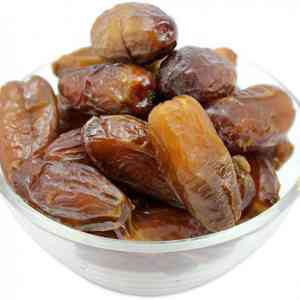
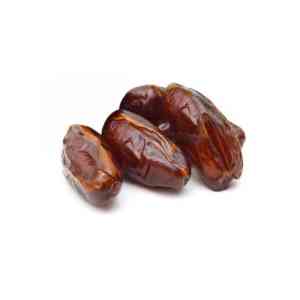
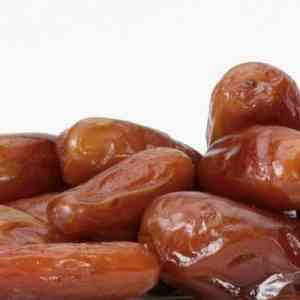
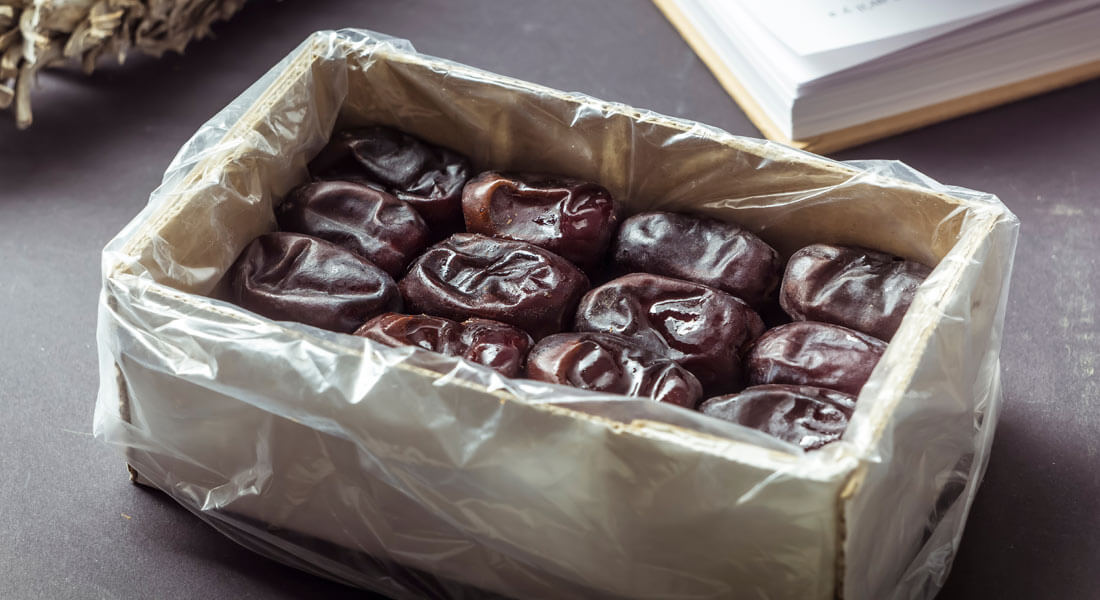
- Mazafati: Soft, dark, and juicy; primarily grown in Bam (Kerman). Highly favored domestically and internationally.
- Zahedi: Semi-dry, yellowish; valued for its storage and transport properties. Predominant in Fars and Khuzestan provinces.
- Rabbi: Semi-dry and elongated; grown mainly in Sistan and Baluchestan province.
- Kabkab: Large, soft, and syrupy; grown mostly in Bushehr.
- Piarom: Also called the “chocolate date,” a premium, semi-dry variety grown mainly in Hormozgan.
- Halawi and Sayer: Popular for export, especially to India and European markets.
These varieties differ in taste, texture, moisture, color, and suitability for processing, export, or direct consumption.
Summary Table (2022 Data):
|
Country |
Export Value (USD '000) |
Export Quantity (kg) |
|
Saudi Arabia |
341,514.77 |
321,097,000 |
|
Israel |
331,552.00 |
85,025,200 |
|
Iran |
289,545.46 |
339,569,000 |
|
UAE |
285,506.10 |
258,655,000 |
|
Tunisia |
244,750.54 |
130,307,000 |
What Iran’s Major Date Export Destinations?
Which countries are the largest importers of Iranian dates?
Iran's position as a major participant in the global date business is cemented by the country's continued strong export performance, according to World Bank WITS data for 2022. Iran has been exporting more dates, particularly well-known types like Piarom and Iranian Mazafati dates, to major markets like Europe and India Exporting dates from Iran.
Exporting dates from Iran to India, where Iran's exports of dates are at their highest, is now one of the main destinations for Iranian dates, with European nations like Germany and the UK coming in second and third, respectively.
This indicates that Iran's date export patterns are evolving. These areas appreciate the premium Iranian dates market's exceptional flavor, organic selections, and high standards of quality. Because of this, the best Iranian dates for export are known around the world for their outstanding quality and satisfy the exacting standards of numerous foreign markets.
Advanced packaging and sustainable date farming in Iran are two examples of industry advancements that are helping Iranian dates flourish in foreign markets.
The Iranian date sector does, however, confront several difficulties, such as managing intricate trade laws and supply chain problems. By providing value-added date goods and upholding strict Iranian date quality requirements, Iranian exporters have been able to stay competitive in spite of these challenges.
The development points to positive momentum as more nations value these items and organic dates grown in Iran for export become increasingly popular. A bright future for Iran's date export industry is indicated by the country's ongoing development into important markets, which shows that the best dates for export from Iran—especially premium and organic varieties—are in high demand.
Top Importers of Iranian Dates (2022)
|
Country |
Import Value (USD, thousands) |
Quantity (kg) |
Share of Total Export Value (%) |
|
India |
70,920.57 |
78,613,100 |
~24.5% |
|
Pakistan |
53,821.64 |
66,701,500 |
~18.6% |
|
Afghanistan |
24,498.24 |
31,967,300 |
~8.5% |
|
Turkey |
23,434.64 |
25,513,400 |
~8.1% |
|
Kazakhstan |
21,971.73 |
31,926,200 |
~7.6% |
|
UAE |
20,312.04 |
22,397,500 |
~7.0% |
|
Iraq |
8,734.00 |
8,409,760 |
~3.0% |
|
China |
6,982.35 |
6,478,570 |
~2.4% |
These countries combined accounted for about 80% of Iran’s date export value in 2022.
In General:
- India is the largest importer, taking about 24.5% of Iran’s date export value in 2022.
- Pakistan follows with around 18.6%.
- Afghanistan, Turkey, Kazakhstan, the UAE, and Iraq are also significant destinations.
The remainder is distributed among other countries in Asia, the CIS, the Middle East, and some European nations.
Role of India in Iranian Date Imports
Why is India a Major Importer of Iranian Dates?
India buys the most Iranian dates for cultural and economic reasons. Dates are used in Indian cuisine, religious ceremonies, and festivals, especially Ramadan and other major holidays, driving demand. Exporting dates from Iran The Indian market also recognizes the Iranian date industry's great quality and diversity, especially Mazafati and Piarom dates, which are fresh and tasty.
The ability to meet large-scale demand, competitive pricing, and reliable supply have made Iran a prominent exporter to India. Indian importers are drawn to Iranian dates due to their efficient logistics, Exporting dates from Iran established trade contacts, and Iran's adherence to quality standards and sophisticated packaging, solidifying India's position as the top destination for Iranian dates.
- Religious and Cultural Demand: Dates are highly consumed during Ramadan and other festivals (e.g., Eid), especially in Muslim-majority regions of India.
- Large Population & Dietary Habits: Dates are popular as a healthy snack and sweetener in Indian cuisine.
- Competitive Pricing: Iranian dates are generally less expensive than some other importing countries’ dates, offering value for Indian importers.
- Proximity and Logistics: Geographical closeness of Iran to India means lower freight costs and faster shipping.
- High Quality and Preference: Iranian dates, especially the soft and juicy varieties, match Indian consumer preferences for taste and texture.
Source: Commodity Board - The Largest Buyer of Iranian Dates Is India
What Specific Varieties Are Most Popular in India?
The most popular Iranian date varieties in India are:
- Mazafati: Soft, dark, juicy, and sweet—highly preferred for direct consumption.
- Zahedi: Semi-dry, golden-brown, used for both direct eating and food processing.
- Kabkab: Large, syrupy dates that are popular due to their versatile use in sweets and snacking.
Mazafati is especially dominant because of its taste and texture, which aligns well with Indian preferences.
UAE: Trade Hub and Consumer of Iranian Dates
How does the UAE serve as both a consumer and re-exporter of Iranian dates?
The UAE is both a direct consumer and an important re-export hub for Iranian dates. This dual role arises from its local demand as well as its strategic position in global trade.
On the consumption side, the UAE’s population—comprising locals and large expatriate communities—enjoys a high per-capita date consumption. Iranian dates are found in supermarkets and markets across the Emirates, especially during religious months and festivals.
However, the UAE’s greater significance lies in its function as a re-export hub for Iranian dates:
- Trade Centrality: Much of the Iranian date volume that arrives in the UAE is quickly redirected to third countries. This includes destinations like India, other Persian Gulf States, North Africa, and Europe.
- Repackaging and Value-Addition: Dates are often repackaged or relabeled in the UAE before re-export. This adds value and sometimes better suits the packaging or regulatory standards of the final market.
- Global Connectivity: Ports like Jebel Ali in Dubai serve as logistical gateways, with regular onward shipments to major markets worldwide.
What trade advantages does the UAE offer for Iranian date exporters?
For Iranian exporters, the UAE offers several specific advantages:
- Efficient Logistics: Proximity and frequent shipping routes keep transportation affordable and reliable.
- Infrastructure: The UAE’s advanced ports, cold storage, and free trade zones streamline the handling and transshipment of perishable goods like dates.
- Flexible Trade Policy: Liberal and efficient customs procedures facilitate easy re-export, often bypassing the restrictions that some destination countries might have for direct Iranian imports.
- Access to Diverse Markets: By channeling dates through the UAE, exporters can tap into a wider global network, from South Asia to Africa and Europe, with fewer regulatory hurdles.
Growing Demand of Iranian Dates in the European Union and Countries
What factors are driving increased demand for dates in the EU?
The European Union’s demand for dates has risen steadily in recent years. Several key factors contribute to this trend:
- Health and Wellness Trends: European consumers are increasingly seeking natural, minimally processed foods. Dates are appreciated as a healthy snack alternative, being high in fiber, vitamins, and minerals, and free from added sugars.
- Plant-Based and Vegan Diets: As interest in plant-based nutrition grows in Europe, dates are used as a natural sweetener in vegan recipes, energy bars, and bakery products.
- Ethnic Diversity and Culinary Trends: Migration from North Africa and the Middle East has boosted familiarity and use of dates in European cuisine, both for home cooking and in the food service industry.
- Demand for Convenience Foods: Dates are used in ready-to-eat foods, snacks, cereals, and baking, feeding into the broader trend of convenient but healthy food choices.
In summary: The EU market’s appetite for dates is driven by health trends, changing food habits, and a more ethnically diverse population.
What certifications or standards are required for Exporting dates from Iran to Europe?
To successfully export dates to the EU, producers must comply with strict standards addressing safety, quality, and traceability:
- Food Safety: Compliance with EU food safety regulations is mandatory. This includes meeting limits for pesticide residues, absence of contaminants (like aflatoxins), and proper labelling of allergens.
- Hygiene Standards: Dates must be processed in facilities following Hazard Analysis and Critical Control Points (HACCP) principles.
- Quality and Grading: There are expectations for cleanliness, uniformity, correct moisture content, and the absence of foreign matter.
- Traceability: The EU requires full traceability of products through the supply chain, from origin to retailer.
- Certifications: While not all are mandatory, the following greatly improve export prospects:
- GlobalG.A.P. (good agricultural practices)
- ISO 22000 (food safety management)
- Organic Certification: Strong demand exists for certified organic dates. EU-recognized organic accreditation is required to market dates as “organic.”
- Fairtrade certification: This is valued, especially for ethical or specialty markets.
Compliance with EU food safety laws and obtaining additional voluntary certifications can significantly boost a date exporter’s success in Exporting dates from Iran to Europe.
Iranian Dates exporters New Opportunities in China and East Asia
How has demand for dates changed in China and East Asia recently?
Demand for imported dates in China and East Asia is gradually rising, driven by health, novelty, and food innovation trends. However, the region is far from being a top market in terms of raw quantity compared to South Asia and Europe. Based on the WITS trade data for 2022 and specific Iranian date export data:
- China's imports of dates are still small, but they are slowly growing. China bought about 2,000 to 2,500 tons of dates (HS 080410) from all over the world in 2022. This is a small amount compared to places like India, which bought over 780,000 tons.
- In East Asia, countries like Japan, South Korea, and Singapore (but not China) are slowly but steadily growing. Their overall date imports are still small compared to those of Europe or India, but data from one year to the next shows that demand is slowly growing.
- Iran, which is one of the biggest exporters in the world, sent a small but steady amount to East Asia in 2022. Iran still Export most of its goods to India, the UAE, and European countries. Only a small amount goes to China and its East Asian neighbors.
What are the main obstacles and opportunities in these markets?
Obstacles of Entering and exporting dates to East Asia?
- Limited Awareness: Dates have not yet become a fundamental component of the conventional East Asian diet, with indigenous substitutes such as jujube (particularly in China) being favored.
- Strict Regulations: date Importers are required to comply with stringent food safety and phytosanitary regulations, which may impede direct exports.
- Price Sensitivity: Imported dates are frequently costlier, rendering them less competitive relative to domestic treats.
- Distribution: Identifying dependable and efficient distribution channels might be challenging owing to a fragmented retail environment.
How about Opportunities?
- Health Trends: As customers become more health-conscious and interested in natural, sugar-free snacks, demand is gradually increasing.
- Product Innovation: Value-added date products (bars, candies, baked goods) that are suited to regional preferences may be introduced.
- Gift Market: High-end packaging for holiday and festival presents can draw in affluent customers, particularly in China.
- E-commerce: Online sales platforms can target niche markets interested in unusual or healthful goods and provide an affordable entry into the market.
What strategies are effective for breaking into Russian markets?
To successfully enter and expand in the Russian date market, exporters—especially from Iran—should consider the following strategies:
- Leverage Proximity and Logistics: Iran and Russia are geographically close, allowing for relatively low shipping costs and shorter delivery times compared to distant suppliers.
- Target Regional Hubs: Focus on big urban centers such as Moscow and St. Petersburg, where demand for imported goods is concentrated and distribution networks are more developed.
- Adapt to Local Preferences: Offer dates in packaging and sizes familiar to Russian consumers. Providing value-added or processed date products (like stuffed dates or date snacks) can help target a broader audience.
- Build Partnerships: Work with established Russian importers, distributors, or supermarket chains to ensure smoother entry and shelf presence.
- Attend Trade Fairs: Participate in Russian food exhibitions (e.g., WorldFood Moscow) to network, showcase products, and understand local trends.
- Pricing Competitively: Given recent economic conditions and a decline in Russian consumer spending (Macrotrends, 2023), competitive pricing is crucial to appeal to price-sensitive consumers.
From the TradeMap data, Iran is already a notable supplier of dates to Russia for Exporting dates from Iran, indicating there is a foothold and further room for growth with the right strategy.
Are there any trade agreements that benefit Iranian date exporters in Russian market?
Iran-EAEU Interim Free Trade Agreement:
- Since October 2019, Iran and the Eurasian Economic Union (EAEU)—which includes Russia—have been implementing an interim agreement that lowers tariffs and grants preferential treatment for a range of agricultural products, including dates.
- This agreement has made it easier and more cost-effective for Iranian exporters to access the Russian market compared to non-preferential competitors.
Bilateral Cooperation Enhancement:
- Iran and Russia continue to deepen economic ties, especially in light of international sanctions on both countries, leading to increased willingness to trade in local currencies and more streamlined customs procedures.
- These agreements and political cooperation reduce export costs and logistical barriers, supporting Iranian date exports.
What’s Driving Demand for Premium and Organic Dates Globally?
Globally, the demand for premium and organic dates is rising due to several factors:
- Health and Wellness: Consumers are choosing dates as natural sweeteners and sources of energy, minerals, and fiber. Organic and premium varieties are especially favored by health-conscious buyers.
- Food Trends: There’s a growing preference for high-quality, traceable, and minimally processed foods among millennials and middle-class consumers.
- Ethical and Clean Labels: Many buyers are willing to pay more for products certified organic, free from pesticides, and produced ethically.
How is E-Commerce Changing Iranian Date Exports?
E-commerce is rapidly transforming how Iranian dates reach global markets:
- Direct-to-Consumer Sales: Online marketplaces and platforms (e.g., Amazon, Alibaba) allow exporters to target customers worldwide without traditional intermediaries.
- Market Access: Small and niche Iranian producers can access distant markets, test new varieties, and reach diaspora communities.
- Brand Expansion: E-commerce enables branding, storytelling, and differentiation, which are crucial for premium and organic dates.
Why Do Sustainability and Certifications Matter for Iranian Dates?
- Market Entry and Trust: Many major importers (especially in the EU and North America) demand proof of sustainable farming and ethical labor practices. Certifications provide assurance of quality and compliance.
- Commercial Advantage: Certified organic and sustainable dates stand out on shelves, fetch premium prices, and open doors to specialized retail channels.
- Long-term Growth: Emphasis on sustainability helps address environmental concerns, maintain soil health, and build a positive reputation for Iran’s date sector.
What Regulations and Certifications Impact Iranian Date Exports?
Key regulations and certifications affecting Iranian date exports include:
- Phytosanitary Requirements: Importing countries enforce strict rules on pesticide residues and contaminants.
- Food Safety Certifications: International certifications such as HACCP, ISO 22000, and GlobalG.A.P. are often required.
- Organic Certification: For access to premium markets (EU, USA, etc.), recognized organic certification (EU Organic, USDA Organic) is essential.
- Social and Environmental Standards: Certifications like Fairtrade, Rainforest Alliance, and SEDEX are increasingly requested by major buyers, especially in Europe.
- Labelling and Traceability: Compliance with destination market labeling laws and traceability standards is mandatory.
Main Logistical and Supply Chain Challenges for Iranian Date Exporters
Iranian date exporters face several logistical and supply chain hurdles:
- Transportation Infrastructure: Inadequate or inconsistent port, rail, and road infrastructure can raise prices and cause shipment delays. Due to their distance from important export ports, some developing areas have higher inland transportation costs.
- Cold Storage & Packaging: Inadequate cold storage and sophisticated packaging facilities shorten shelf life and raise the risk of spoiling, particularly for premium and fresh dates.
- Customs and Bureaucracy: Protracted customs processes and evolving export laws can raise administrative expenses and delay shipments.
- Shipping Routes: Iranian exporters are occasionally compelled by international sanctions and restrictions to use alternate ports or indirect routes, which lengthens shipping times and increases costs.
Impact of International Tariffs and Quality Standards
International tariffs and quality standards have a significant influence:
- Tariffs: Some importing countries impose significant tariffs or duties on Iranian dates, affecting their price competitiveness versus rivals from, for example, North Africa or the Middle East.
- Quality and Phytosanitary Standards: Strict standards on pesticide residues, contaminants, and overall product quality (especially in the EU and North America) require exporters to adopt advanced farming and post-harvest practices. Failure to comply can result in shipments being rejected or returned.
- Certification Needs: Many markets require certifications (organic, GlobalG.A.P., food safety) for market access—obtaining these can be expensive and administratively complex for smaller producers.
How Iranian Dates Can Stand Out Globally Amid Competition?
Iranian dates must be promoted as premium, distinctive goods that improve brand awareness in order to improve their standing in global markets. This includes showcasing the nation's particular types, such as Mazafati, Kabkab, and Zahedi. Enhancing product quality through superior post-harvest management, creative packaging, and preserving outstanding freshness may boost a product's competitiveness and shelf appeal.
Obtaining crucial certifications, such as organic and food safety requirements, would help Iranian dates stand out from other popular choices and open doors to upscale international markets. These dates may be further positioned as a high-end, moral option by highlighting Iran's rich history, traditional farming practices, and continuous environmental initiatives through compelling storytelling and branding.
Beyond conventional wholesale methods, reaching health-conscious customers and those seeking genuine, exotic flavors is another benefit of utilizing e-commerce and diversifying into digital sales channels.
The top three opportunities for Iranian date exporters are: expanding into health-conscious and organic product segments, leveraging e-commerce to access new consumers globally, and building strong branding around unique Iranian date varieties. By focusing on certification (organic, food safety), modern packaging, and online marketing, exporters can tap into premium and emerging markets.
Exporters and policymakers should prioritize upgrading logistics and cold chain infrastructure, supporting farmers and producers in meeting international standards, and actively promoting Iranian dates at global trade events. By working together, they can increase the competitiveness and reputation of Iranian dates worldwide.
As last words, Ahuracommerce is here with you!
We hope as we have written and gathered these information and data as Author, let us have your kind questions. Don’t forget we have helped many business to export their produced dates to new market like India, Russia and etc. Be sure that our team is here for you at any time to cover all of your questions and details that you may need before and while you are entering into new market!
Author: Ahuracommerce
References:
Ahvaz Chamber of Commerce:
Trade Data & Export Insights:
Market Trends, Organic, and E-Commerce:
- CBI – Centre for the Promotion of Imports (EU Market: Dates)
- CBI – Trends in the European Date Market
- Statista – E-commerce Trends in Global Foods
Certifications & Standards:
- A.P. Certification
- EU Food Safety Authority (EFSA) – Food Import Requirements
- USDA Organic Certification
- HACCP and ISO 22000 Standards
Consumer and Trade Environment:
Additional background or summary sources:


Ahura Commerce facilitates seamless international trade. Our platform empowers businesses of all sizes to navigate import/export regulations, connect with global partners, and optimize logistics. Leverage our expertise and network to achieve sustainable growth in today's interconnected marketplace.


