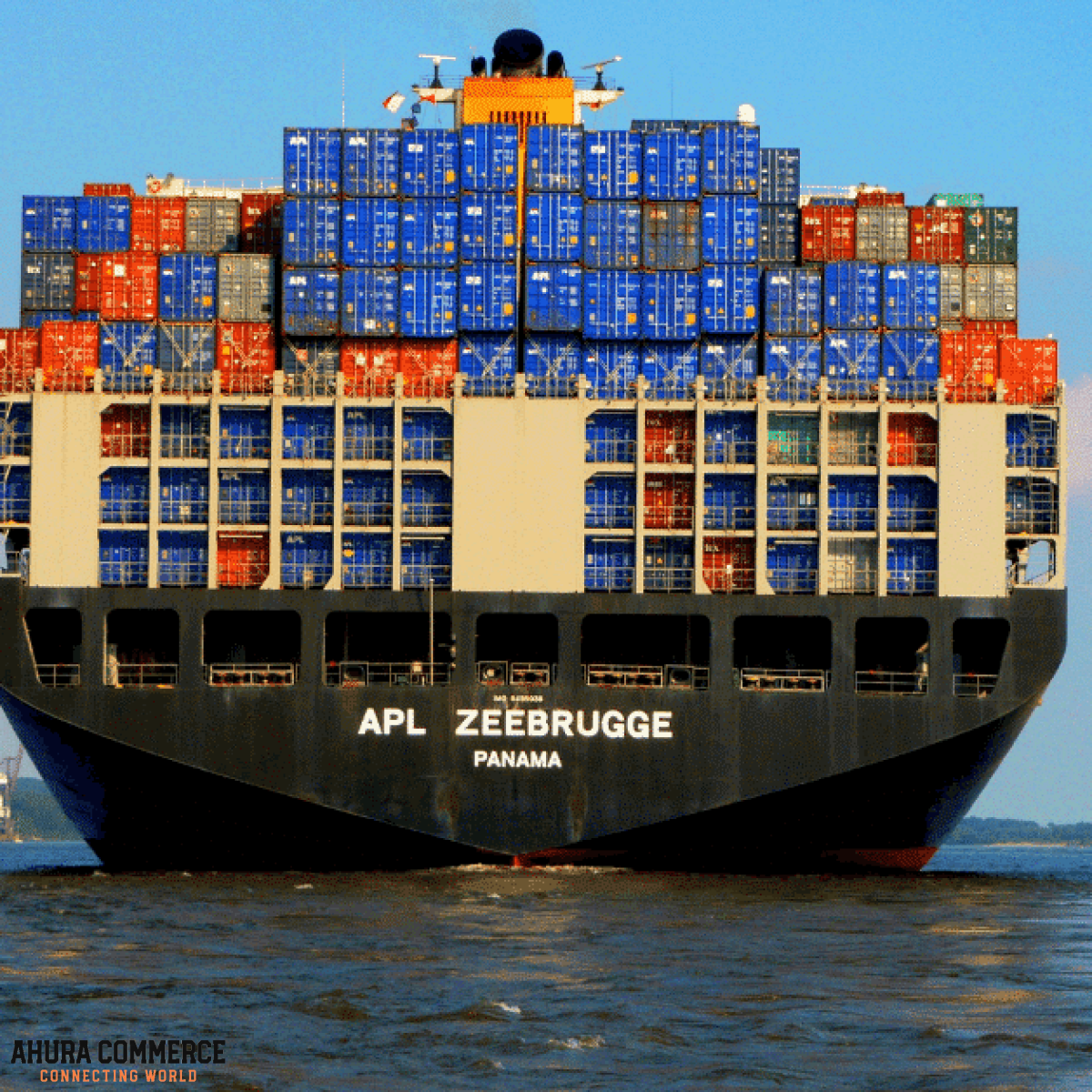
Premium Quality, 100% Pure Iranian Saffron (Super Negin Grade) Available for Export to Importers in Kuwait.
Iranian saffron, which is usually called "red gold", is one of the most valuable agricultural products in the world due to its unique taste, vivid color and medicinal properties. Iran's saffron export to Kuwait is very important as the world's largest producer. With the increase in Kuwait's demand for high-quality food products, exporting Iranian saffron to Kuwait provides a significant opportunity for Iranian exporters. In this article, while examining the advantages and challenges of Iran's saffron export to Kuwait, we will highlight the strategic importance of this market.
Importance of Kuwait market and entering in it
Kuwait's affluent population and growing interest in first-class and health products has made it an attractive market for Iranian saffron. Saffron is widely used in Middle Eastern cuisine due to increasing the flavor and color of foods such as rice, meat and desserts. Additionally, the medicinal benefits of saffron, including its antioxidant and anti-depressant properties, align well with Kuwait's growing focus on natural and organic products.
Exporting Iranian saffron to Kuwait has many advantages for both Iranian exporters and Kuwaiti consumers. Iranian saffron is famous for its superior quality due to having an ideal climate for saffron cultivation and centuries of expertise in harvesting and processing saffron. As a result, Iranian saffron has a great price in international markets, including Kuwait.
Steps to export saffron to Kuwait
In order to succeed in exporting Iranian saffron to Kuwait, exporters must be aware of the necessary procedures and regulations. First of all, saffron exporters must comply with Kuwait's strict import regulations, which include quality certification, health inspections, and proper labeling. In addition, it is ensured that Iranian saffron is packaged in a way that maintains its quality and maintains the expectations of Kuwaiti consumers.
Working with reliable distributors in Kuwait can also simplify the process of entering this market. Building strong relationships with local partners allows Iranian exporters to better understand the preferences and desires of Kuwaiti consumers and explore the complexities of the local business environment.
Quality assurance and certification
Ensuring compliance with the highest product quality standards is a key factor in exporting Iranian saffron to Kuwait. The Kuwaiti market cares about quality and consumers expect pure, fresh and adulterated saffron. Iranian saffron undergoes rigorous tests to confirm its authenticity, purity and concentration, as these factors significantly affect its market value.
To prove the quality and safety of the products, saffron exporters must obtain the necessary certificates from reputable authorities such as ISO. This ensures that the saffron meets international quality standards, which is very important for its acceptance in the Kuwaiti market. Without proper certifications, it becomes difficult to gain the trust of local buyers and consumers.
Challenges of exporting saffron to Kuwait
Iran's saffron export to Kuwait brings significant opportunities, but it also comes with challenges. One of the main challenges is competing with other saffron producing countries such as Spain and India, which are actively seeking to expand their presence in the Persian Gulf market. In order to maintain their competitive advantage, Iranian exporters must differentiate their products through quality and authenticity.
In addition, the fluctuation of saffron prices in the world market can create a challenge for exporters. The price of saffron is very sensitive to changes in supply and demand, weather conditions and geopolitical factors. In order to reduce these risks, exporters should be aware of market trends and adjust their pricing strategies accordingly.
Another potential challenge is the regulatory environment in Kuwait. Import regulations can be complex and failure to meet local standards can result in shipment delays or rejection. Therefore, it is very important for exporters to work with local authorities and partners to ensure a smooth and successful export process.
Why Choose Our Saffron? Unmatched Quality and Authenticity
Our saffron is more than just a spice; it represents a legacy. Here's what separates us from other Saffron suppliers:
Superior Quality: We cultivate our saffron in the fertile lands of Qaenat, a region renowned for producing the world's finest saffrons. Our product's exceptional color, aroma, and flavor are due in part to its unique climate and soil conditions. We meticulously handpick each saffron thread at dawn to ensure maximum potency and quality.
100% Pure and Natural: Our saffron contains no additives, preservatives, or artificial colors. We believe in providing the most pure, natural product possible.
Traditional Cultivation: We use traditional, sustainable farming practices to protect the land and ensure the long-term viability of our saffron production.
Directly from the Source: By purchasing directly from us, you avoid intermediaries, ensuring the best price and the authenticity of our saffron.
Each batch of our saffron is rigorously tested in certified laboratories to ensure that it meets or exceeds international quality standards (ISO 3632). We include certificates of analysis with each order to demonstrate our commitment to transparency and quality.
Grading and types: We categorize our saffron as Super Negin, Negin, Sargol, and Pushal.
Future vision and plans for Sell and export our Iranian Saffron from 1g to 1 KGS
Due to the fact that the demand for high quality saffron in the region continues to increase, the future of Iran's saffron export to Kuwait looks promising. To take advantage of this opportunity, Iranian exporters should invest in marketing and branding efforts to increase awareness of the superior quality of their saffron. Highlighting authenticity, purity and traditional production methods can resonate with Kuwaiti consumers and help build a loyal customer base.
- Increasing Demand: The demand for high-quality saffron in Kuwait is on the rise, driven by a growing appreciation for gourmet ingredients and the health benefits of saffron.
- Kuwaiti Culinary Traditions: Saffron is a valued ingredient in Kuwaiti cuisine, adding a distinctive flavor and color to traditional dishes.
- Health and Wellness: Saffron is increasingly recognized for its potential health benefits, including its antioxidant and anti-inflammatory properties. This is driving demand among health-conscious consumers in Kuwait and globally.
Iranian exporters can also explore opportunities for value-added products such as tea, oil and skin care products with saffron, which are gaining popularity in Kuwait. By diversifying their products, they can reach new market segments and increase their profitability.