Most reads
- How and what are the Exportation from Iran to Oman 0 to 100?
- Top Canadian Exports Products in Global Demand in 2026
- Import screen from China
- Import from Iran
- Exporting Iranian Products to Kuwait
- What is Certificate of origin? (COO)
- Exporting Wheat from Canada
- Exporting dates from Iran
- Export Iranian products to Bahrain
- Import Pipes from China
- Export from Iran
- How to Export Iranian Iron Ore A Guide to Suppliers, Logistics, and Trade Compliance
- Canadian automotive exports Market and how to Export
- Pricing of Your Exporting Product in 2025
- 9 strategies find International buyers for my products
- Export walnut from Iran
- What supplier needs to know before exporting agricultural products in 2025?
- Why is exporting oil and fuel from Canada leading the global market?
- Incoterms 2020 and its importance for Exporters & Importers
- Lumber suppliers list 2025 best prices guide
0 to 100 Exporting Iranian products to Oman
The economic relationship between Iran and Oman is distinguished by a substantial and active export of Iranian products, which is a consequence of their historical connections and its strategic geographic proximity. Located along the Persian Gulf, which is a critical maritime route, are Iran and Oman. As a consequence of their shared economic interests and complementary requirements, the commercial relationship has experienced substantial growth.
In order to meet the industrial and consumer needs of Oman, Iran's export portfolio is exceedingly diverse, encompassing both agricultural and industrial commodities. Not only does this considerable trade relationship promote economic expansion, but it also fortifies diplomatic relations between the two nations.
The commercial relationship between Iran and Oman has been critical in terms of the exchange of essential commodities, such as iron, steel, mineral fuels, and fertilizers... Oman's industries and agriculture are dependent on these commodities for their development.
These exports are especially significant to Oman's economic growth and infrastructural development due to their substantial value and quantity. Iron and steel comprised a significant portion of Iranian exports to Oman in 2022, demonstrating Iran's potential for the production and exportation of these essential products. Oman's ongoing initiatives to improve the resilience and capability of its industrial sector are supported by these commodities.
The export market for Iranian organic and inorganic chemicals is expanding, and they are essential for a variety of production processes in Oman, in addition to conventional heavy industries. The diversification of Iranian exports to Oman includes a variety of agricultural products, fruits, and vegetables, which underscores Oman's dependence on imported consumables and Iran's abundant agricultural legacy. Utilizing these expanding markets to strengthen bilateral trade relations, there is potential for an increase in trade in technical products and medications as both nations pursue new opportunities for collaboration.
The export of Iranian goods to Oman is particularly significant in the promotion of regional economic stability and collaboration. A secure economic climate is cultivated in a strategically significant region through the facilitation of communication and engagement through this commercial connection. Iran and Oman can effectively resolve shared concerns, such as energy and agricultural security, as well as sustainable development, by strengthening economic relations. This ensures reciprocal benefits that promote long-term progress. How and what are the Exportation from Iran to Oman 0 to 100?
In order to promote economic growth and ensure strategic collaboration, the transfer of Iranian products to Oman is essential to their bilateral relations. Initiatives to fortify and diversify their trade relationship will continue to be of significant importance as both nations navigate the complexities of a rapidly changing global economy. Through the utilization of their unique advantages and the fulfillment of shared requirements, Iran and Oman can establish a robust economic partnership that will ensure enduring success in the future.
BE AMONG BELOW EXPORTER BY ONE CLICK

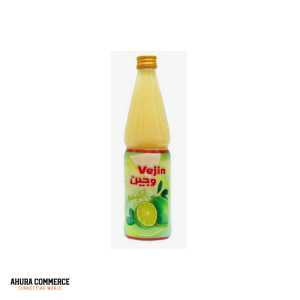


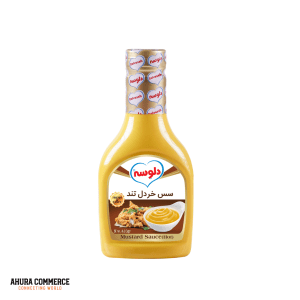
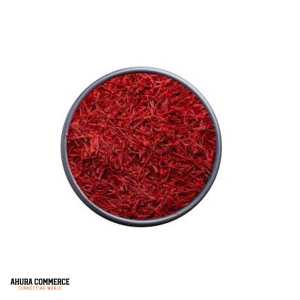




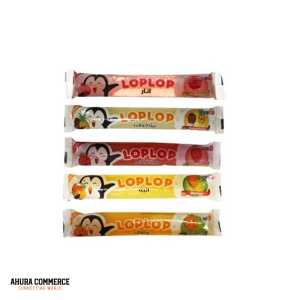



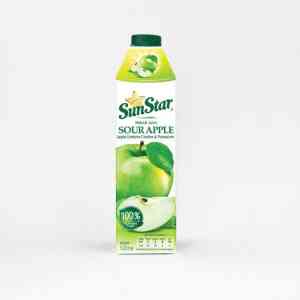











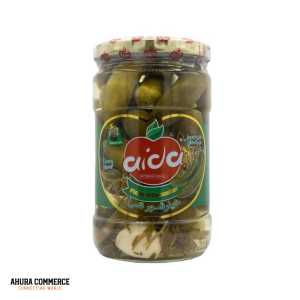
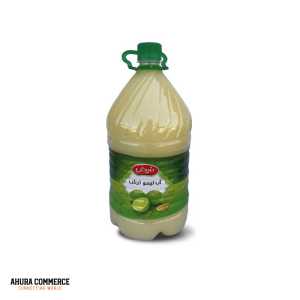

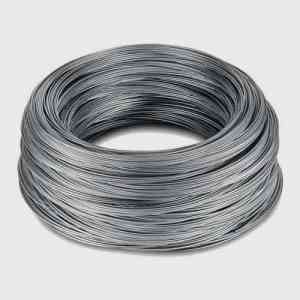


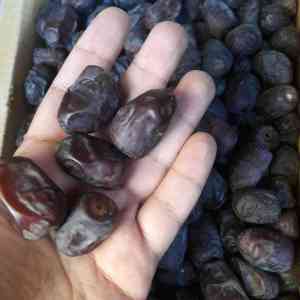








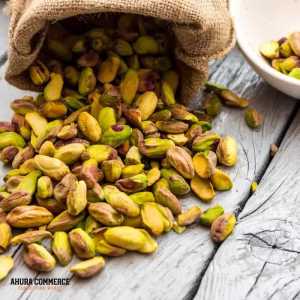
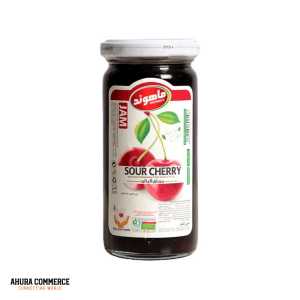

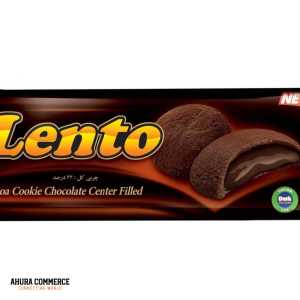



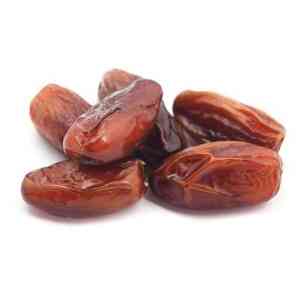
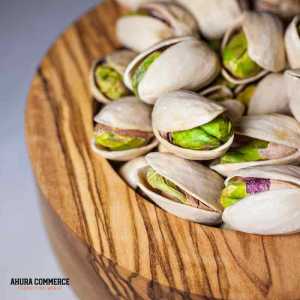

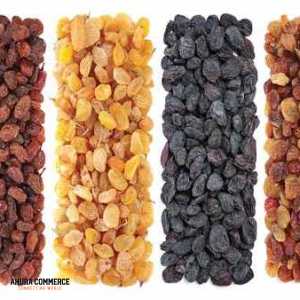




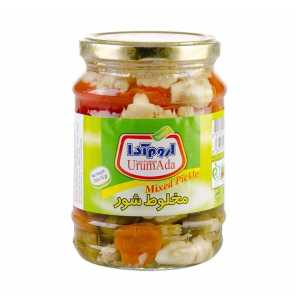
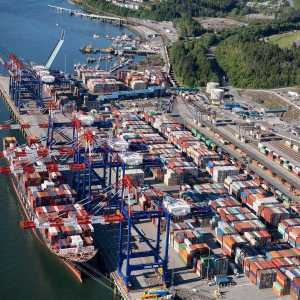
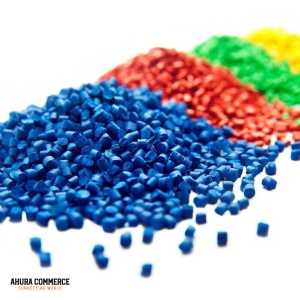
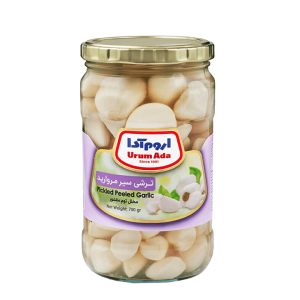







Understanding Oman's Economy for the Exportation of Iranian Goods As per the World Trade Organization (WTO)
In recent years, Oman's GDP has consistently increased, allegedly attaining over $77.8 billion in 2023. This economic expansion has coincided with a notable rise in consumer expenditure, which has surged by around 5% per annum. For Iranian exporters, these statistics signify a developing market abundant with prospects for various items.
A significant characteristic of Oman’s market is its dependence on imports for several commodities. In 2023, Oman imported nearly $30 billion in goods, encompassing vital commodities such as equipment, medical devices, and agricultural materials. This import amount signifies considerable potential for exporting Iranian products to Oman across several sectors, especially in areas where Iranian businesses thrive.
Industrial and Infrastructure Oman's demands on Iranian goods
Oman's emphasis on infrastructure development persists in stimulating demand for construction materials. The nation has designated significant sections of its budget, namely 3 billion yearly, for the enhancement of its infrastructure, encompassing highways, ports, and public edifices. This allocation presents significant opportunities for Iranian iron and steel goods, leveraging geographical closeness and competitive pricing. In 2022, Iran exported 404.04 million in steel to Oman, underscoring the robustness of this economic partnership.
Moreover, Oman’s energy industry continues to be a dynamic domain with increasing needs for mineral fuels. Although Oman is an oil producer, it bought $392.66 million in mineral fuels from Iran in 2022, highlighting the competitiveness and dependability of Iranian goods. This region is crucial for meeting Oman’s energy requirements, especially since it reconciles indigenous production with economical imports.
Markets for Agricultural and Consumer Goods in Oman
Iran exported fertilizers valued at $107.23 million to Oman in previous years, underscoring the significance of this sector in bilateral commerce. Given the limited arable land in Oman, the demand for high-quality fertilizers is anticipated to continue. Iranian exporters might capitalize on this persistent demand by maintaining constant quality and availability.
Consumer goods constitute an expanding sector, with Oman’s imports in this area exceeding $5 billion. Iranian items, ranging from textiles to culinary spices, may achieve greater market penetration by aligning with Omani tastes and inclinations. Exporters must recognize that Oman’s expanding middle class is progressively pursuing products that provide both quality and cultural significance, domains in which Iranian goods may provide a competitive advantage.
Managing Obstacles and Prospects How and what are the Exportation from Iran to Oman 0 to 100?
Iranian exporters must maneuver through a convoluted international commercial environment, where adherence to international sanctions and trade agreements is essential. Notwithstanding these hurdles, Oman's stable regulatory framework, shaped by its WTO membership, creates an equitable platform for Iranian products to compete with other foreign alternatives. Remaining cognizant of these laws will be essential for optimizing prospects for exporting Iranian products to Oman. How and what are the Exportation from Iran to Oman 0 to 100?
Innovative strategies, such forming strategic alliances with Omani enterprises or utilizing digital platforms for market penetration, might enhance Iranian exports. By strategically placing themselves in burgeoning industries such as renewable energy technologies—where Oman is making substantial investments—Iranian exporters may diversify their portfolios and exploit new demand opportunities.
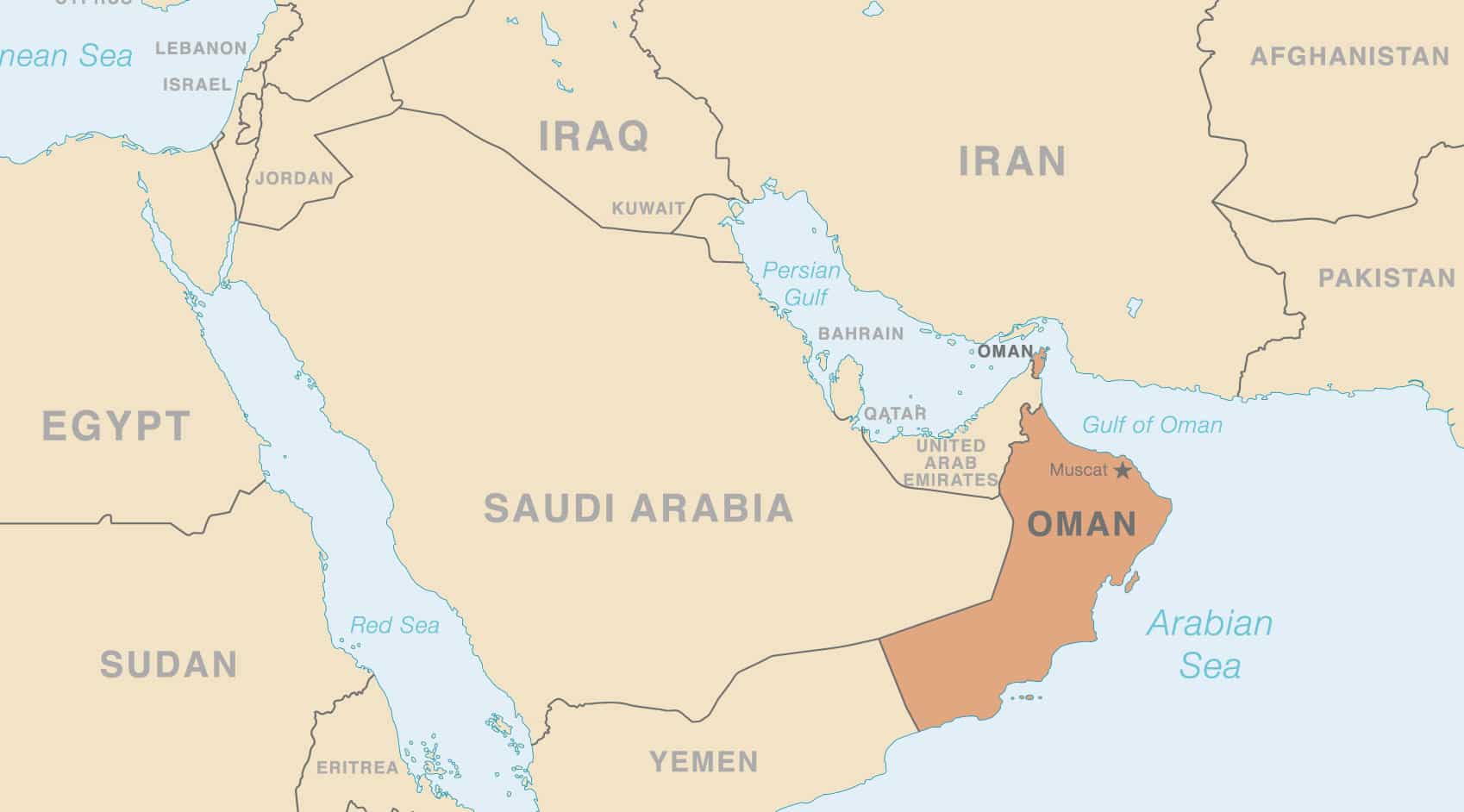
Exporting Iranian products to Oman: What is the history? Referenced on Trading Economics
Exporting Iranian products to Oman has experienced substantial development in the past decade, driven by the two nations' growing economic cooperation, historical trade relations, and geographical proximity. The volume and value of exports from Iran to Oman have consistently increased during this period, with a particular emphasis on sectors such as iron and steel, mineral fuels, fertilizers, and various industrial chemicals. Exporting Iranian products to Oman is essential for the support of Oman's economic diversification objectives, particularly in its agricultural and industrial sectors, as the relationship has transitioned from straightforward trade exchanges to a more comprehensive and strategic partnership.
Exporting Iranian products to Oman has experienced significant development as a result of the growing demand for raw materials required for Oman's infrastructure initiatives. The demand for iron and steel and mineral fuels from Iran has increased as Oman continues to expand its industrial base. How and what are the Exportation from Iran to Oman 0 to 100?
The market for Iranian steel is expanding in Oman, which is investing significantly in infrastructure projects such as roads, ports, and structures. This steel is both high-quality and competitively priced. In the same vein, Oman has experienced substantial exports of mineral fuels, oils, and distillation products, such as crude oil and refined petroleum, in order to secure cost-effective energy solutions for its expanding economy and diversify its energy supply.
Exporting Iranian products to Oman has become a fundamental component of Oman's energy sector, which has been instrumental in further solidifying the bilateral trade relationship. How and what are the Exportation from Iran to Oman 0 to 100?
Iran's agricultural and chemical exports to Oman have also experienced a substantial increase in the past few years. Iranian exports have comprised a substantial proportion of fertilizers, which are indispensable for Oman's agricultural output. Oman is dependent on high-quality fertilizers, a significant portion of which are imported from Iran, due to its limited arable land. How and what are the Exportation from Iran to Oman 0 to 100?
Furthermore, the demand for Iranian products in the form of organic and inorganic chemicals in Oman's industrial and manufacturing sectors has been consistently increasing, resulting in a growing supply of these products for the production of a diverse range of goods, including plastics and petrochemical products. These chemicals are employed not just inside Oman but also as ingredients for the nation's expanding Exporting Iranian products to Oman to various regional and worldwide markets.
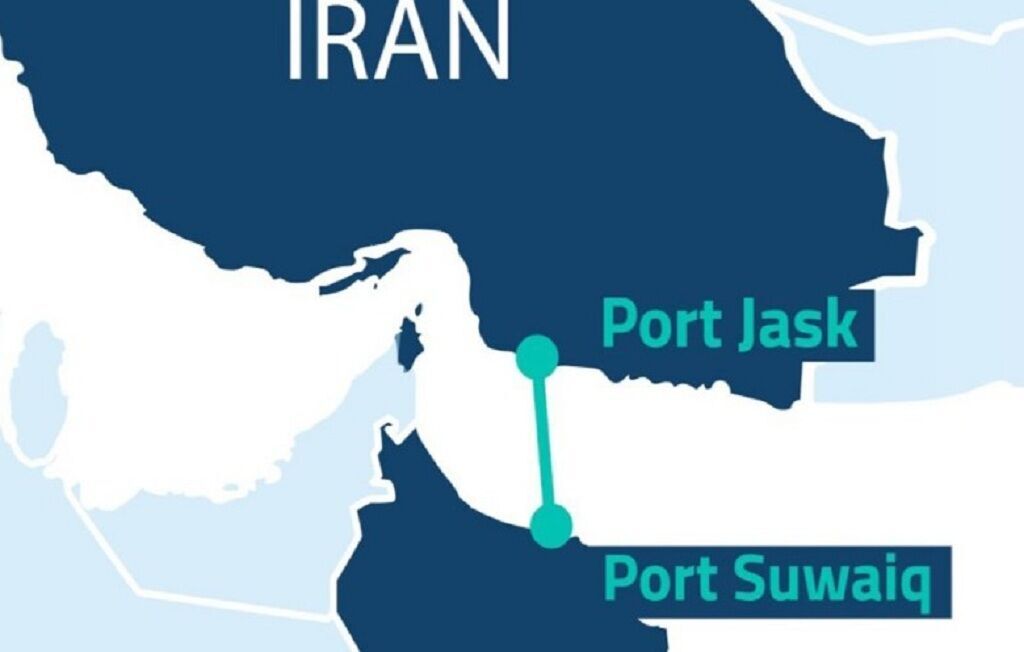
The exportation of Iranian products to Oman has faced many challenges.
Trade relations have been intermittently affected by regional political conflicts and volatile oil costs. Both nations have made a deliberate effort to overcome these challenges by utilizing their common regional interests, forming bilateral trade agreements, and fostering stronger economic ties. The steady advancement of Iranian goods sold to Oman, despite external geopolitical challenges, reflects the endurance of the trading partnership. This partnership has been more important for both nations, as it allows Iran to diversify its export portfolio outside conventional markets and offers Oman competitive products to bolster its economic development.
The export of Iranian products to Oman has evolved into a complex and growing trading partnership, including several sectors, including heavy industrial goods such as iron and steel, as well as agricultural products like fertilizers. The connection is progressing. This alliance has fostered economic progress in Oman and provided Iran with access to a vital regional target market. As Oman advances its long-term diversification strategies, new possibilities are projected to arise, with the export of Iranian products to Oman predicted to remain a crucial element of their bilateral relations.
What is The Most exporting Iranian products to Oman?
Based on Trading Economics reports Iran has a diverse and growing export portfolio to Oman, but iron and steel remains the most significant export product in 2022, valued at $404.04 million. This category holds the largest share of Iranian exports to Oman, illustrating both the scale of production in Iran’s heavy industries and the critical demand for these materials in Oman’s infrastructure and industrial sectors. How and what are the Exportation from Iran to Oman 0 to 100?
Detailed Insights into Iran’s Top Exports to Oman
- Iron and Steel: The export of iron and steel to Oman underscores the importance of this sector in Iran’s economy. The $404.04 million in exports makes it the single largest category, highlighting the critical role of these materials in Oman’s ongoing industrial expansion. Iron and steel are indispensable for construction, manufacturing, and engineering, all key components of Oman’s economic growth. As Oman focuses on improving its infrastructure, including roads, buildings, and industrial facilities, the demand for steel and other iron-based products from Iran is expected to remain strong.
Moreover, the proximity of both nations in the Persian Gulf makes the transportation of bulk goods like iron and steel both cost-effective and timely. This geographical advantage is likely one of the driving factors behind the dominance of iron and steel exports. Additionally, Iran’s well-established steel production capabilities make it a reliable supplier for Oman’s large-scale construction and industrial projects.
- Mineral Fuels, Oils, and Distillation Products: The second-largest category, mineral fuels, including crude oil, natural gas, and refined petroleum products, totaled $392.66 million in 2022. This category is critical, reflecting the continued reliance of Oman on energy imports for its power generation, industrial operations, and transportation needs. While Oman is an oil-producing country, it has been diversifying its energy portfolio and often turns to neighboring Iran for petroleum products, given the historically stable trade relations and Iran’s competitive pricing.
In 2022, Oman’s importation of Iranian fuel products likely helped meet its domestic energy demands, especially considering the country’s ongoing infrastructure development and energy-intensive industrialization strategies. With the increasing global demand for energy, it is likely that mineral fuels, oils, and distillation products will continue to make up a significant portion of the trade between Iran and Oman in the foreseeable future.
- Fertilizers: Iranian fertilizers accounted for $107.23 million of exports to Oman in 2022, making them another critical export commodity. These fertilizers are vital for Oman’s agricultural industry, which is essential in the face of the country’s desert climate and limited arable land. The agricultural sector in Oman heavily depends on imports for fertilizers, as they are crucial for increasing crop yields in the harsh desert environment.
Iran’s strong fertilizer production capabilities, which utilize its vast natural gas reserves for nitrogen-based products, make it a competitive exporter to Oman. As Oman seeks to secure its food security and reduce its dependency on external markets, the role of fertilizers in trade between Iran and Oman will remain a vital component, contributing to sustainable agriculture in the region.
- Organic and Inorganic Chemicals: In addition to the heavy industrial exports, organic chemicals valued at 35.34million and in organic chemicals such as precious metal compounds and isotopes) at 34.38 million also form significant portions of the export portfolio. These chemicals are primarily used in Oman’s petrochemical, manufacturing, and agricultural sectors. With Oman diversifying its economy and focusing on expanding its industrial base, the demand for chemicals – both organic and inorganic – is expected to grow, as these products are integral to the manufacturing of goods ranging from plastics to detergents and fertilizers.
As Iranian chemical industries improve their output and expand into more specialized areas, it is likely that Oman’s imports of such products will increase. The demand for Iranian chemicals is also fueled by their competitive pricing and the established trade routes between the two countries. How and what are the Exportation from Iran to Oman 0 to 100?
- Agricultural and Food Products: Iran’s agricultural exports to Oman include edible fruits, vegetables, and nuts, valued at $16.98 million in 2022. This category reflects Iran’s diverse agricultural capacity, with products such as citrus fruits, melons, and various vegetables being staples of the Iranian agricultural output. Oman relies heavily on imports for its food supply due to its limited agricultural land, making Iran a key supplier of affordable, high-quality produce to meet the demands of Oman’s growing population.
Plastics (7.49million) and live animals (7.45 million) are other export categories that round out Iran’s diverse trade with Oman. While these sectors are not as dominant in terms of monetary value, they still represent key industries that contribute to the bilateral economic relationship.
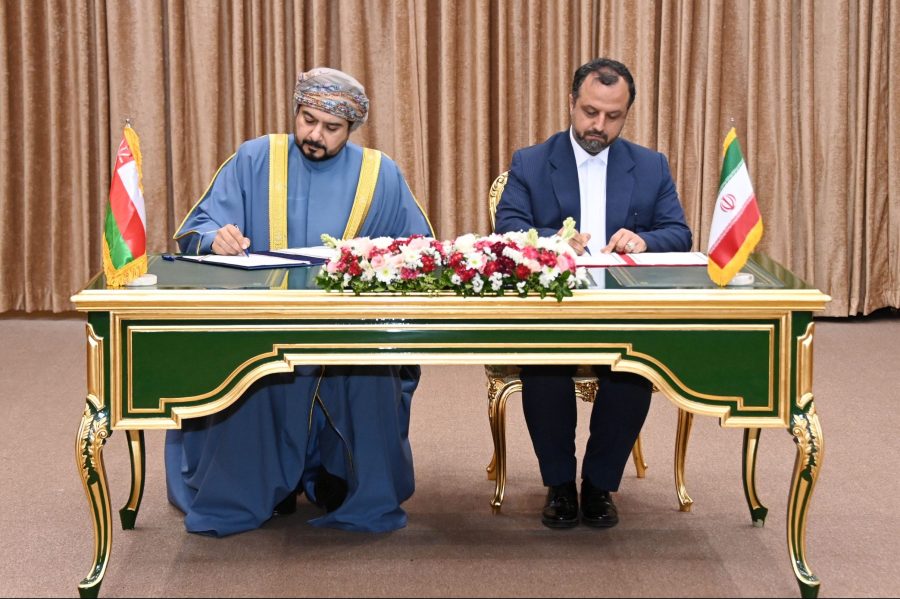
Potential for Further Growth in Specific Sectors
As both countries seek to expand their economic cooperation, there is significant potential for diversification beyond the dominant sectors of iron and steel, fuels, and fertilizers. For example, Iran’s emerging sectors, such as pharmaceuticals (822.76K) and electrical equipment (268.56K), offer avenues for growth, especially as Oman focuses on health and technology sectors as part of its Vision 2040 strategy. Furthermore, carpets and textile floor coverings (4.46million) and cocoa preparations (805.34K) also present opportunities for increasing trade volumes, especially in niche markets.
In the coming years, both countries may seek to bolster these smaller sectors, capitalizing on opportunities to expand and diversify their trade portfolios. As Iran’s non-oil sectors continue to grow and evolve, exports of manufactured goods, machinery, and consumer electronics could become increasingly important for Oman’s trade balance, offering a chance for both nations to foster even stronger economic ties.
Table of Exportation of Iranian products to Omani’s Market
|
Product Category |
Export Value (2022) |
Key Details |
|
Iron and Steel |
$404.04 million |
Largest export, crucial for Oman’s infrastructure development, used in construction and manufacturing sectors. |
|
Mineral Fuels, Oils, and Distillation Products |
$392.66 million |
Includes crude oil, refined petroleum products, and natural gas. Key to meeting Oman’s energy demand and industrial growth. |
|
Fertilizers |
$107.23 million |
Essential for Oman’s agricultural sector, helping boost crop yields in its desert climate. |
|
Organic Chemicals |
$35.34 million |
Used in Oman’s petrochemical and manufacturing sectors, for producing plastics, fertilizers, and other industrial products. |
|
Inorganic Chemicals (Precious Metal Compounds, Isotopes) |
$34.38 million |
Supplies to Oman’s manufacturing and industrial sectors, especially in petrochemical and agricultural applications. |
|
Edible Fruits, Vegetables, and Nuts |
$16.98 million |
Important for food security in Oman, includes products like citrus fruits, melons, and various vegetables. |
|
Plastics |
$7.49 million |
Used in Oman’s expanding manufacturing sector, for products ranging from packaging materials to automotive components. |
|
Live Animals |
$7.45 million |
Primarily includes livestock, supporting Oman’s agricultural and food production industries. |
|
Carpets and Textile Floor Coverings |
$4.46 million |
Exported due to Iran’s historical expertise in carpet production, this is a niche but valuable trade product. |
|
Cocoa Preparations |
$805,340 |
A smaller category, reflecting the niche market for processed cocoa products in Oman. |
How to Find Omani’s Buyer for Iranian goods?
For Iranian exporters aiming to enhance their position in the Omani market, obtaining precise and current information regarding prospective consumers is essential. An essential resource for this purpose is the Oman Chamber of Commerce and Industry (OCCI) Trade Directory, accessible at omanchamber.om. This directory functions as an exhaustive resource for the Omani business environment, providing insights into essential industries and relationships for enterprises seeking to export Iranian products to Oman.
The OCCI Trade Directory offers comprehensive lists of enterprises in several areas, such as construction, agriculture, consumer products, and technology. Through the use of this resource, Iranian exporters may discern prospective business partners and purchasers actively pursuing overseas products. The directory provides extensive information for exporters of building materials, agricultural inputs, and consumer items, enabling them to align their offerings with local demand and effectively satisfy the demands of the Omani market.
Another benefit of utilizing the OCCI Trade Directory is its function in fostering contacts within the Omani business community. For Iranian exporters, establishing ties with local distributors and customers is crucial for successfully navigating the competitive environment of exporting Iranian products to Oman. The directory not only enumerates organizations but also supplies contact information and business profiles that might be pivotal in forming these crucial relationships. By utilizing these direct ties, Iranian enterprises might strategically establish themselves in Oman's expanding economy.
The success of exporting Iranian products to Oman fundamentally depends on comprehending market dynamics and establishing strategic commercial ties. Utilizing the OCCI Trade Directory at omanchamber.om is essential for Iranian exporters seeking to exploit Oman’s economic prospects. This tool assists in navigating the intricacies of market entrance, identifying appropriate stakeholders, and successfully presenting items to a receptive and growing customer base in Oman.
Step-by-step of How to Export Iranian products to Oman?
If Iranian exporters want to break into the lucrative Omani market, they need to follow these critical measures to sell goods to the country. This is an easy-to-follow manual:
Researching the Market before entering Iranian products to Omani’s Market
Step 1: Determine Need
- Find out what Iranian goods are selling well in the Omani market by doing some research. Think about industries such as building, farming, and consumer products.
- Second, Research Your Rivals: Get to know your rivals and study their pricing, distribution methods, and advertising approaches.
Step 2: Familiarize Yourself with Compliance and Regulations
- The Framework for Tariffs and Duties: Get to know the import taxes of Oman as well as any possible exemptions or trade agreements. How and what are the Exportation from Iran to Oman 0 to 100?
- Product Standards: Make sure your goods are certified and up to Omani standards. Obtaining certain quality or safety marks may be part of the process.
Step 3: Get Your Company Documents in Order
- Get Your Company Registered, Find out what the Iranian government requires of your business and get it registered for foreign trading.
- Second, get the paperwork in order. This includes things like packing lists, certificates of origin, insurance certificates, and business invoicing. In order to clear customs, these are essential.
Step 4: plan how to enter the market.
- Select the Appropriate Channel, Make a decision on whether to establish a direct sales office in Oman, work with a local agency or distributor. Depending on your company's model and objectives, each choice offers its benefits.
- Think about logistical expenses and currency conversion rates in your local market to come up with a competitive price plan.
Step 5: Distribution and Logistics
- Find a Trustworthy Logistics Partner: The speedy and compliant clearing of products through customs may be achieved by partnering with logistics companies who are well-versed in the routes and rules of Oman.
- A customs broker can be hired to assist with this process. The broker's job is to handle interactions with customs authorities and make sure all documentation is submitted appropriately.
Step 6: Establishing a Brand and Marketing It
- Make sure your marketing and branding are in line with Omani culture and what people like.
- Make Use of Digital Platforms: To expand your reach in Oman, you might want to think about using social media and online markets.
Step 7: is to form partnerships at the local level.
- Connect with Local Businesses: Join trade groups or local business networks in Oman to meet important people.
- Make use of trade directories: the Oman Chamber of Commerce and Industry Trade Directory are great places to start looking for business associates and customers.
Step 8: Assess and Modify
- Monitor Outcomes: Take stock of your exports' success on a regular basis and adjust your approach in response to customer comments and shifts in the market.
- Be Well-Informed: If you want to know how trade rules, consumer trends, or economic events might affect your firm, then you need be informed.
If Iranian exporters follow these procedures, they will be able to join the Omani market with confidence, establish fruitful trade partnerships, and expand their businesses.
Lastly about Exporting Iranian products to Oman with our Platform
Exporting Iranian goods to Oman presents Iranian enterprises with numerous development prospects; nonetheless, successfully maneuvering this market necessitates appropriate instruments and methods. Ahuracommerce.com is a notable platform that assists firms in refining their market entry and marketing strategy.
This portal is a vital resource for Iranian exporters aiming to enter the Omani market, offering extensive tools for market analysis, lead creation, and establishing connections with prospective customers. Utilizing Ahuracommerce, enterprises may obtain a plethora of current information, engage with essential players, and develop customized marketing plans to enhance their exposure in Oman.
The platform provides an intuitive interface alongside robust capabilities that enable the monitoring of industry trends, customer preferences, and trade restrictions pertinent to Oman. If you seek to identify new customers, assess market demand, or develop a digital marketing strategy that appeals to Omani consumers, Ahuracommerce is the optimal selection for Exporting Iranian products to Oman. How and what are the Exportation from Iran to Oman 0 to 100?
By prioritizing the establishment of enduring commercial connections and providing practical insights, it guarantees that your Exporting Iranian products to Oman correspond with Oman’s changing requirements. Utilizing Ahuracommerce.com as your primary export marketing platform enables you to adeptly maneuver the intricacies of Oman’s market, ensuring your items effectively reach the appropriate audience with maximum impact.
RELATED PODCAST ON YOUTUBE: https://youtu.be/u_76aZNTZWc


Ahura Commerce facilitates seamless international trade. Our platform empowers businesses of all sizes to navigate import/export regulations, connect with global partners, and optimize logistics. Leverage our expertise and network to achieve sustainable growth in today's interconnected marketplace.


