Most reads
- How and what are the Exportation from Iran to Oman 0 to 100?
- Top Canadian Exports Products in Global Demand in 2026
- Import screen from China
- Import from Iran
- Exporting Iranian Products to Kuwait
- What is Certificate of origin? (COO)
- Exporting Wheat from Canada
- Exporting dates from Iran
- Export Iranian products to Bahrain
- Import Pipes from China
- Export from Iran
- How to Export Iranian Iron Ore A Guide to Suppliers, Logistics, and Trade Compliance
- Canadian automotive exports Market and how to Export
- Pricing of Your Exporting Product in 2025
- 9 strategies find International buyers for my products
- Export walnut from Iran
- What supplier needs to know before exporting agricultural products in 2025?
- Why is exporting oil and fuel from Canada leading the global market?
- Incoterms 2020 and its importance for Exporters & Importers
- Lumber suppliers list 2025 best prices guide
Reasons Why Canada's Energy Export Is Leading the Global Market
In a world fiercely debating energy security and the transition to renewables, Canada occupies a unique and powerful position. Far from being a fading player, Canada is playing a vital role in supplying and exporting oil and mineral fuels and are experiencing a strategic resurgence.
Exporting oil and fuel from Canada isn't about yesterday's story; it's about how reliability, innovation, and geography are cementing Canada's role as a critical global energy supplier. Let's unpack the data and trends behind why exporting oil and fuel from Canada remains a dominant force.
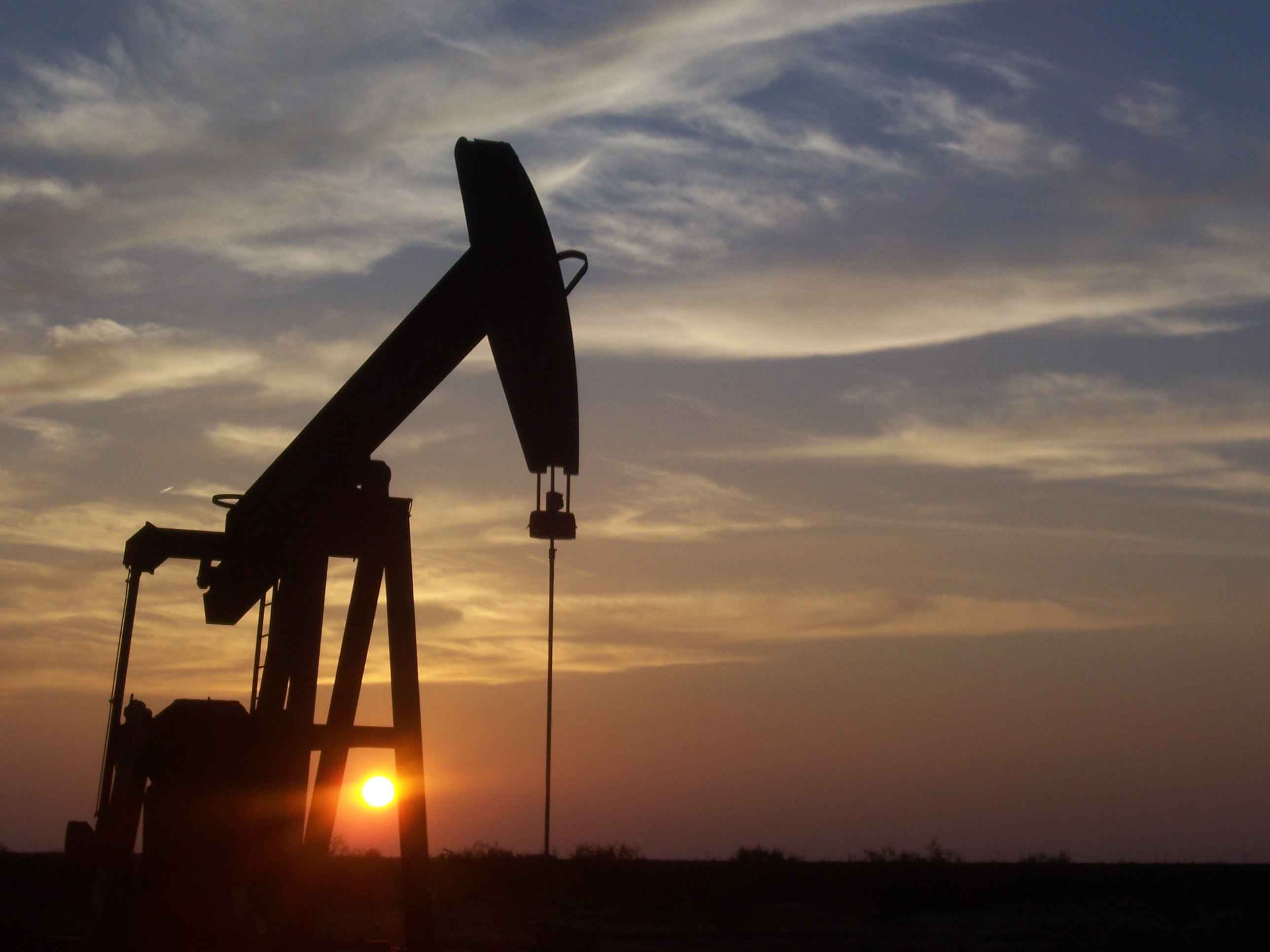
Why do Canadian oil exports dominate the global energy market?
As many reports and research showed, Canadian crude oil and fuel have high quality. Dominance isn't about being the cheapest; it's about being the most reliable. While Canada holds the world's fourth-largest oil reserves, its true power in the global oil trade and exporting oil from Canada stems from being a stable, democratic supplier in an unstable world.
Geopolitical tensions in recent years in different parts of the world, like the Middle East, have forced nations to re-evaluate their energy dependencies. They aren't just buying barrels; they're buying predictability. This positions Canada's energy export not as a default, but as a strategic choice for long-term supply security.
Overview: NRcan
What makes mineral fuels and crude oil from Canada highly competitive in global oil trade?
As we have mentioned, geopolitical risks and technology have their own impacts on every industry. And Canada has its own advantages over exporting oil and mineral fuels for export and competing in the global market:
- Scale & Proximity to the #1 Market: The integrated pipeline network with the United States creates an unmatched logistical advantage. In 2023, the data uses negative values to indicate imports, distinguishing U.S. imports with light blue and those to other nations with light orange. In 2023, Canada's crude oil exports totaled 3.9 million barrels per day (MMb/d), with nearly all of it—97%, or 3.8 MMb/d—being shipped to the United States.
- The ESG Differentiator: Compared to many global suppliers, Canada's fossil fuel sector operates under some of the world's most stringent environmental and regulatory standards. For buyers under shareholder and policy pressure, this lower-carbon-intensity production is increasingly valuable.
- Diversity of Product: Canada doesn't just export one type of fuel. From heavy crude for specialized refineries to light oil, natural gas, and refined products like propane, we supply a portfolio that meets varied industrial needs.
Which countries are the largest importers of Canadian petroleum exports?
The petroleum exports from Canada story is one of a primary anchor and emerging diversification.
- United States: The overwhelming leader, absorbing 96-98% of all Canadian crude oil exports. The Gulf Coast, Midwest, and Rocky Mountain regions are key destinations.
- Emerging Markets: While small in percentage, exports to China and India are strategically significant for market diversification. Shipments to Europe have also seen episodic increases as the continent sought alternatives to Russian supply.
The top market for Canadian products is the US due to its vast border with Canada. Check the article here

How have Canadian oil and fuel exporters evolved in today’s fossil fuel market?
With the help of cutting-edge technology and updated processes, Canada has successfully granted itself a good place in the exporting of fuel and oil in today’s market. That’s why in today’s market Canada exports more oil and petroleum more than most of the countries. On the other hand, Canada has taken a unique place in exporting energy due to undergoing a quiet transformation focused on value over pure volume:
- Investing in Carbon Reduction: Billions are being invested in Carbon Capture, Utilization, and Storage (CCUS projects), such as the flagship Pathways Alliance in Alberta's oil sands. The goal is to produce the "cleanest barrel" to meet future global oil trade demands.
- LNG on the Horizon: The imminent launch of Canada's first major LNG export terminals (like LNG Canada in 2025) will unlock access to high-demand Asian and European natural gas markets, a game-changer for Canadian energy exports.
- Refining and Upgrading: There's a growing focus on exporting more refined products (like diesel and jet fuel) and upgraded crude, which capture greater value per barrel than raw bitumen.
What trade data and market trends explain the rise of Canada’s energy exports?
The numbers tell a compelling story of resilience:
- Energy accounted for over 27% of Canada's total export value in 2023, often topping $150 billion annually.
- Crude oil exports have steadily increased, reaching record volumes despite price volatility, demonstrating global demand and Canada's resilience.
- The International Energy Agency (IEA) notes that even in net-zero scenarios, global oil demand will remain significant for decades, requiring investment in responsible suppliers—a trend favoring Canada's model. reference
How do Canadian fossil fuel regulations impact international energy trade?
Canada's regulatory framework is a double-edged sword that ultimately builds long-term trust:
- It Adds Cost & Scrutiny: Strict methane regulations, carbon pricing, and environmental assessments increase operational costs and can slow project timelines compared to less-regulated jurisdictions.
- It Creates a Market Premium: This same framework provides the "green premium" and social license to operate. It assures importing countries that Canadian fuel for export is produced with oversight, transparency, and a commitment to continual environmental improvement. This is crucial for maintaining access to discerning markets.
You can find more details in Canada.ca
What future opportunities and risks exist for Canada’s energy exports?
Like everything else, exporting oil and fuels from Canada has its own opportunities and its risks. And if you want to enter in fossil fuel market, like other markets, you have to know the pros and cons of it.
Opportunities of Exporting Oil and Fuel from Canada:
- LNG Exports: As the statistics show, the Canadian LNG has been aimed for 20 million tons in 2025. Successfully entering the global LNG market could make Canada a top-tier gas exporter. By the way, Canada exported 48% LNG by pipeline in 2024.
- Clean Tech Integration: Leading in CCUS and clean hydrogen co-production could redefine fossil fuels in Canada as part of a low-carbon solution.
- Strategic Allyship: Strengthening energy ties with security-aligned partners (e.g., Europe, Japan) beyond the U.S.
Risks of Canadian Fuel for Export:
- Infrastructure Constraints: Persistent bottlenecks in pipeline and export terminal capacity limit market access and discount prices.
- Competition & Transition Pace: Accelerated global decarbonization could shrink demand faster than anticipated, while competitors like the U.S. and Guyana ramp up production.
- Capital Access: Increasingly, global financiers are directing investment away from traditional fossil fuels, challenging funding for new projects.
The Strategic Bottom Line for Canadian Energy Exports
In general, the leadership of Canadian oil exports and mineral fuels isn't an accident of geology. It's the result of operating in a transparent, regulated environment that the world increasingly values.
The future of exporting oil and fuel from Canada hinges on executing major projects like LNG, doubling down on emission-reduction technologies, and navigating the complex balance between today's energy security needs and tomorrow's climate commitments. For global buyers, Canada represents more than a source of energy; it represents a stable, responsible, and evolving partner in the global energy equation.
Anyway, at AhuraCommerce we are helping you as businessmen or businesswomen to leverage your market and increase your opportunity and expand your market for more than Canada. If you are looking to have a good webpage along with introducing your product in the exporting market, from crude oil and fuels to food and machinery, you can easily create a profile and contact our experts by email.
Export Marketing & Commercial Expert with more than 10 years of Experience


Ahura Commerce facilitates seamless international trade. Our platform empowers businesses of all sizes to navigate import/export regulations, connect with global partners, and optimize logistics. Leverage our expertise and network to achieve sustainable growth in today's interconnected marketplace.


