Most reads
- How and what are the Exportation from Iran to Oman 0 to 100?
- Top Canadian Exports Products in Global Demand in 2026
- Import screen from China
- Import from Iran
- Exporting Iranian Products to Kuwait
- What is Certificate of origin? (COO)
- Exporting Wheat from Canada
- Exporting dates from Iran
- Export Iranian products to Bahrain
- Import Pipes from China
- Export from Iran
- How to Export Iranian Iron Ore A Guide to Suppliers, Logistics, and Trade Compliance
- Canadian automotive exports Market and how to Export
- Pricing of Your Exporting Product in 2025
- 9 strategies find International buyers for my products
- Export walnut from Iran
- What supplier needs to know before exporting agricultural products in 2025?
- Why is exporting oil and fuel from Canada leading the global market?
- Incoterms 2020 and its importance for Exporters & Importers
- Lumber suppliers list 2025 best prices guide
Exporting agricultural products and what you need to know
Whether you're new to exporting agricultural products or want to improve your current process, here’s what you as supplier should know before sending agricultural products abroad.
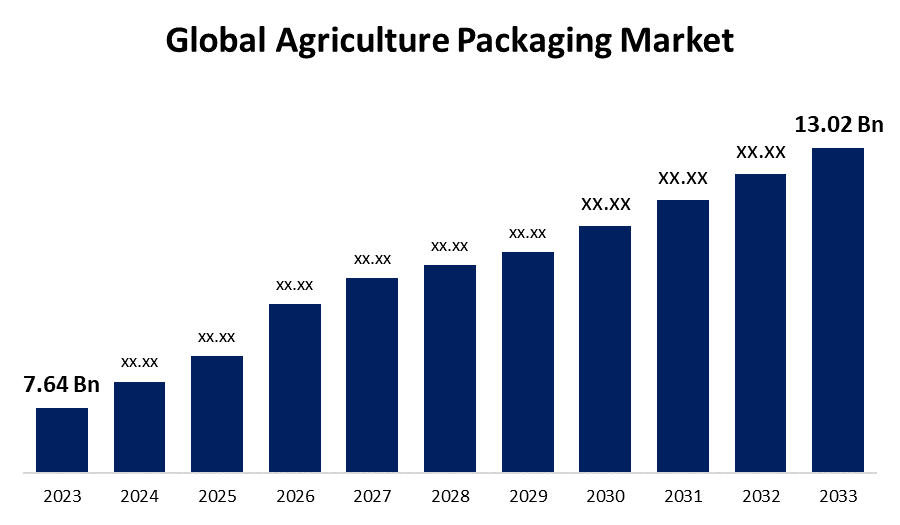
In this article we will survey on every aspects of what you need. This is Mostafa from Ahuracommerce with around 10 years of experience in exporting and international marketing. I will share my knowledge and expertise to cover all your requirements. and help you to have a big share in 2033 global agriculture market.
-
Have check list before Export
Before you sells your agricultural goods to overseas buyers, make sure you’ve got everything ready:
- Product sorted and cleaned
- Lab-tested (if required)
- Export-quality packaging used
- Labels in the correct format
- Phytosanitary certificate issued (if needed)
- Shipping method planned and booked
- Make Sure Your Product Meets International Standards
Every country has rules and standards about what types of food or plant-based products they’ll accept. That’s why you have to know your market and do marketing research before selling any goods.
The standards are most likely includes things like:
- Cleanliness – No dirt, bugs, or foreign materials
- Sorting and Grading – Items should be a uniform size and quality
- Moisture Levels – Too much moisture can lead to spoilage
- Lab Testing – Some countries require lab results for pesticide or chemical residues
Pro Tip: Check if the destination country requires specific certifications, like organic labels or food safety approvals. It’s often worth working with a local testing lab to avoid surprises and any unwanted costs in destination.
Disclaimer: please note that regulations vary by country, and exporters should consult local authorities.
-
Use Strong, Export-Ready Packaging for exporting agricultural products
Goods packaging especially agricultural packaging isn’t just about look. The main duty is to protect your product during transport and helps it get approved at destination customs.
Here’s what you should considers:
- Use food-safe materials that won’t react with the product
- Protect against humidity and pests
- Choose box sizes that are easy to stack and ship
- For bulk goods, vacuum-sealed bags or multi-layered cartons are best
- Reefer containers and related temperature are crucial.
Don’t forget to include key info on the packaging: product name, weight, expiration date, ideal temp and handling instructions.
-
Follow Labeling Rules Carefully
Labeling errors are one of the most common reasons shipments are delayed or rejected at the borders or in connecting vessels in transshipment ports. So, in my experience consult with and expert over these rules. Otherwise, either in port of loading or in port of discharge you may face some loss.
A clear, accurate labeling should include:
- Product name (in English or the local language)
- Net and gross weight
- Country of origin
- Production and expiration dates
- Exporter’s name and contact information
- Storage or handling symbols (like “keep dry” or “fragile”)
- Storage temperature
Optional but helpful: barcodes or certification marks like organic or Halal can help you to vast your selling market.
-
Get a Phytosanitary Certificate (If Required)
Before exporting agricultural products you must know agricultural products can carry bugs or plant diseases — that’s why many countries require a phytosanitary certificate from an official plant health agency.
Pro tip: In my experience, I have collected phytosanitary certificate from ministry of agriculture. This is most likely in your country too. So, go there and ask for their inspection before export your agricultural products.
This certificate confirms your shipment is free from harmful pests and diseases. You usually need:
- A pre-shipment inspection
- Clean, properly packed goods
- Paperwork ready before your products leave the country
- Checking the booked container to remove any contamination or pests
Make sure this certificate is attached to your commercial documents. Without it, your shipment might be refused at the borders of either your or clients country.
-
Choose the Right Transport: Truck or Sea?
How you ship your goods depends on the product, destination, and budget.
By Truck (Road Freight):
- Best for nearby countries
- Faster and ideal for perishable goods like cabbage and Celery
- Watch for customs wait times at borders
By Sea (Ocean Freight):
- Ideal for large or heavy shipments going farther (e.g., to Europe or Asia)
- More cost-effective for bulk goods like raisins, nuts, or dried herbs
- Slower (can take weeks), but stable and reliable
Multimodal transportation is also an option: truck to the port, then sea freight to the final destination. And if you can rely on a transportation company, it can be helpful too.
In General, exporting agricultural products and what you need to know?
At AhuraCommerce, we help suppliers prepare their products for international markets — from proper packaging and documentation to shipping support. If you're looking to grow your export business and connect with global buyers, we’re here to guide you through the process.
📞 Need help getting started? Contact us today for exporting agricultural products.
Marketing and Commercial expert with more than 10 years of experience
Suggested links for your more study about what you need to know before exporting agricultural products:
1. Food and Agriculture Organization of the United Nations (FAO);
Offers detailed guidance on food quality, safety standards, and phytosanitary measures for international trade.
Link: https://www.fao.org/food-safety
2. World Trade Organization (WTO) – Sanitary and Phytosanitary (SPS) Agreement
Overview of international rules about pest- and disease-free requirements for exported agricultural goods.
Link: https://www.wto.org/english/tratop_e/sps_e/sps_e.htm
3. International Organization for Standardization (ISO)
Searchable database of packaging, labeling, moisture level, and testing standards for agricultural and food products.
Relevant standards include:
- ISO 22000 (Food Safety)
- ISO 6780 (Pallet sizes)
- ISO 1991 (Labeling of packages)
Link: https://www.iso.org


Ahura Commerce facilitates seamless international trade. Our platform empowers businesses of all sizes to navigate import/export regulations, connect with global partners, and optimize logistics. Leverage our expertise and network to achieve sustainable growth in today's interconnected marketplace.


