Most reads
- How and what are the Exportation from Iran to Oman 0 to 100?
- Top Canadian Exports Products in Global Demand in 2026
- Import screen from China
- Import from Iran
- Exporting Iranian Products to Kuwait
- What is Certificate of origin? (COO)
- Exporting Wheat from Canada
- Exporting dates from Iran
- Export Iranian products to Bahrain
- Import Pipes from China
- Export from Iran
- How to Export Iranian Iron Ore A Guide to Suppliers, Logistics, and Trade Compliance
- Canadian automotive exports Market and how to Export
- Pricing of Your Exporting Product in 2025
- 9 strategies find International buyers for my products
- Export walnut from Iran
- What supplier needs to know before exporting agricultural products in 2025?
- Why is exporting oil and fuel from Canada leading the global market?
- Incoterms 2020 and its importance for Exporters & Importers
- Lumber suppliers list 2025 best prices guide
0 to 100 of Exporting of Iranian Products to Kuwait
There is a long-standing commerce relationship for Exporting Iranian Products to Kuwait, with a variety of products being exported from Iran to Kuwait annually. Over the years, the two nations have established robust economic, cultural, and geopolitical relationships as neighbors in the Persian Gulf region, which is evident in their growing trade activities.
The export of Iranian products to Kuwait is a critical component of this trade dynamic. This includes a wide range of commodities, including textiles, chemicals, and culinary products. In addition to bolstering the economies of both nations, this exchange also fortifies their bilateral relations within the broader Middle East area.
Specifically, in the sectors of agricultural commodities, culinary products, and construction materials, Iranian exports to Kuwait have demonstrated consistent growth in recent years. The necessity for Kuwait to import products in order to satisfy its domestic demand is the driving force behind this expanding trade partnership. In Kuwait, for example, the ongoing infrastructure and real estate developments have resulted in a high demand for construction materials such as cement, gypsum, and lime.
In the same vein, Exporting Iranian Products to Kuwait status as a major supplier of essential food items to Kuwait is underscored by the continued prevalence of agricultural products, including consumable fruits, live animals, and fisheries, in the export flow.
Raw materials and fundamental commodities are not the only Iranian products that are exported to Kuwait; they also include high-value items such as Persian carpets and fine textiles. These traditional products are highly sought after in the Persian Gulf region due to their cultural and historical significance, as well as their aesthetic appeal.
This offers a distinctive perspective on the trade relationship during Exporting Iranian Products to Kuwait, as economic exchange is enhanced by cultural exchange. The textile sector's expansion, particularly the export of carpets and textile floor coverings, demonstrates Iran's capacity to satisfy a wide range of international market demands and its superior manufacturing capabilities.
Iran's exports to Kuwait have been significantly affected by its growing industrial and chemical capacities for Exporting Iranian Products to Kuwait. Items such as plastics, ceramics, and chemical products are becoming increasingly prevalent in the export profile. Iran is expanding its diversification efforts by expanding beyond conventional sectors such as oil and gas and into higher-value manufacturing that is consistent with global trade patterns. These industries are a testament to this.
Generally the economic relationship between Iran and Kuwait is characterized by the multifaceted and expanding export of Iranian products. Iran's status as a leading supplier in the Gulf region is further solidified by its export of a diverse array of goods, including high-quality textiles, industrial products, and construction materials.
In addition to facilitating Kuwait's development and consumption requirements, the trade also benefits the broader regional stability and economic cooperation among the nations. This introduction underscores the dynamic and varied nature of Iranian exports to Kuwait, thereby preparing the ground for a more rigorous examination of specific sectors and trade dynamics in the forthcoming discussions.
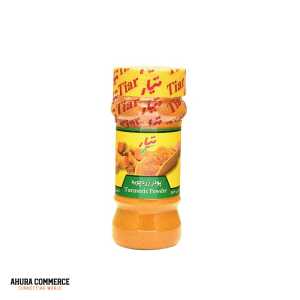
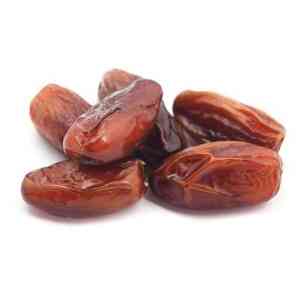
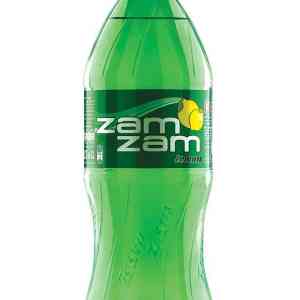
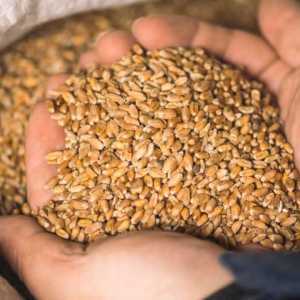
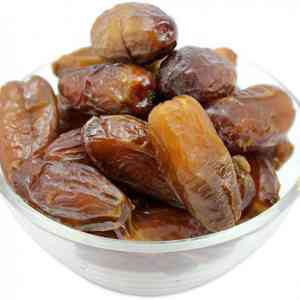
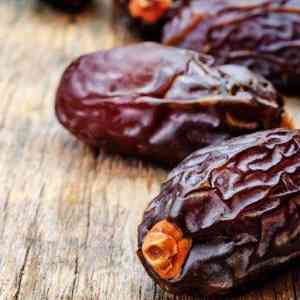
BE AMONG BELOW EXPORTER BY ONE CLICK


















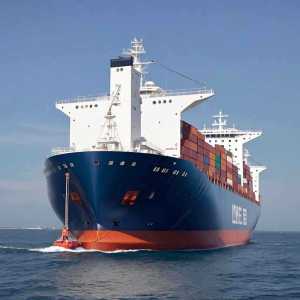


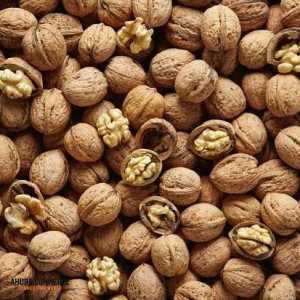






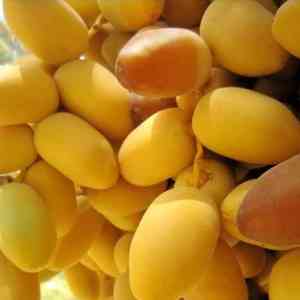













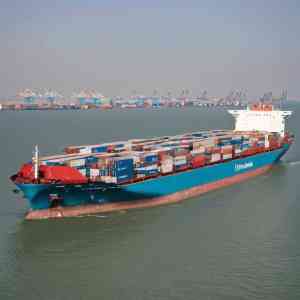

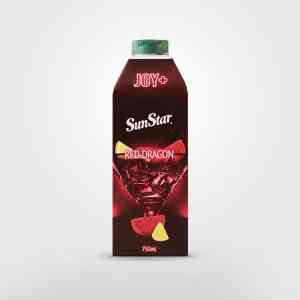
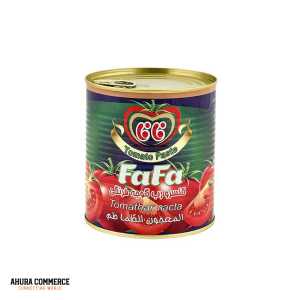
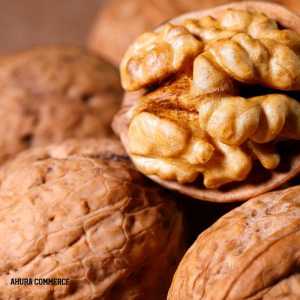
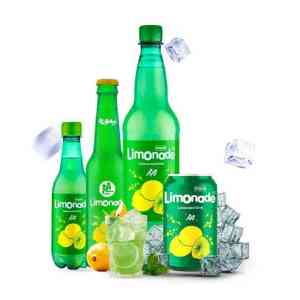
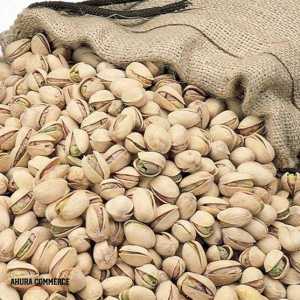

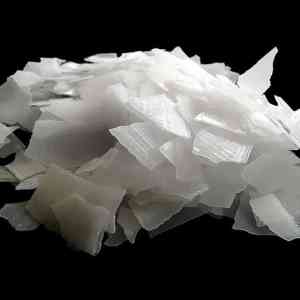


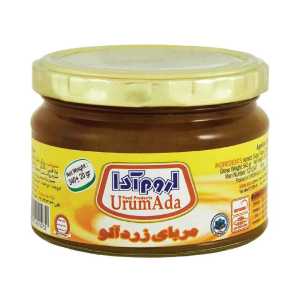




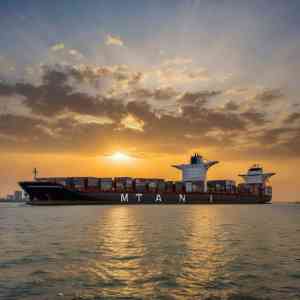
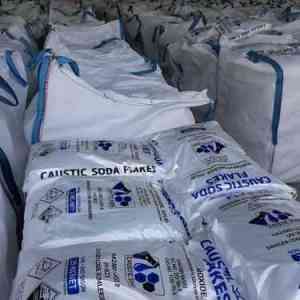
Overview of the Kuwaiti industry
Before exporting Iranian products to Kuwait, you must know Kuwait's consumer market is distinguished by a distinctive combination of traditional and contemporary economic components, which are influenced by the country's swiftly changing socio-economic landscape and rich cultural heritage. The Kuwaiti market is characterized by a robust purchasing power, as it is one of the wealthiest countries in the Middle East with a high per capita income.
The oil-based economy of the country is the primary source of this wealth, which considerably contributes to the country's GDP and subsidizes a variety of daily necessities, such as food and utilities. The consumer market is receptive to both luxury and everyday goods, with an appetite for a wide variety of products, including high-end electronics and vehicles, as well as fundamental food and grocery items, as a result of the oil wealth.
Kuwait's demographic profile is characterized by an adolescent population, with a substantial proportion of individuals under the age of 30, which considerably influences the market's dynamics. In the fields of technology and fashion, the youth are particularly influential in shaping consumer trends.
The demand for technology-driven products and services is on the rise, as evidenced by the increasing use of smartphones, e-commerce platforms, and social media, which is a result of a well-educated workforce and an expanding middle class.
Furthermore, Kuwait's consumption patterns are also influenced by the expatriate population, which accounts for nearly 70% of the total population. This population brings a variety of flavors and preferences from around the world.
The consumption landscape of Kuwait is significantly influenced by urbanization, which is why before Exporting Iranian Products to Kuwait as the majority of the population resides in urban areas, including Kuwait City. Modern retail infrastructure, such as supermarkets and malls, is facilitated by this urban concentration, which is designed to meet the diverse requirements of consumers.
The preference for international brands is evident; however, there is also a growing trend toward supporting local products and entrepreneurs, particularly in the food and beverage sector. This change is partially due to government initiatives that are designed to promote local industries and an increase in national pride.
Kuwait's consumer market is also significantly influenced by government intervention, which is intended to diversify the economy away from energy dependence. This is evident in efforts to enhance local production and self-sufficiency, particularly in the areas of agricultural products and consumer commodities. Furthermore, the government is making significant investments in infrastructure and technology as part of the 2035 New Kuwait Vision.
This is anticipated to further disrupt consumption patterns by expanding the availability and accessibility of a broader selection of products and services to the public. The combination of these factors creates a picture of a market that is both intricate and dynamic, with potential for expansion in a variety of sectors.
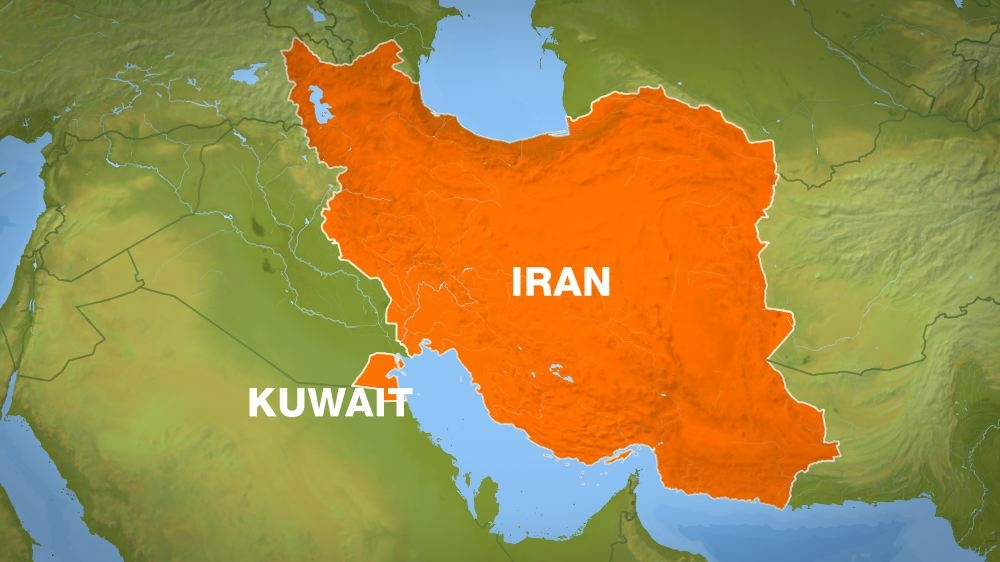
How Do We Find Customers for Exporting Iranian Products to Kuwait? (Reference: KCCI)
Finding export buyers in Exporting Iranian Products to Kuwait products requires a combination of market research, networking, and strategic relationships. Here's a road map to assist you navigate this process:
- Connect with Kuwaiti Trade Organizations: The Kuwait Chamber of Commerce and Industry (KCCI) may provide useful resources for exporters looking to access the Kuwaiti market. These organizations frequently conduct events, trade exhibits, and business matching services, allowing Iranian exporters to interact directly with prospective Kuwaiti purchasers. Participation in such events allows exporters to gain insights into market demand and customer behavior.
- Conduct market research and competitive analysis: to discover high-demand industries in Kuwait for Exporting Iranian Products to Kuwait. Analyze import data from import-export databases or reports published by international trade groups to have a better understanding of the competitive environment and customer preferences. This data may be used to determine the most promising product categories as well as possible market gaps that Iranian items can fill.
- Utilize Digital Platforms and B2B Marketplaces: Alibaba, Tradekey, and Ahuracommerce offer enormous networks and tools for connecting with potential buyers and distributors. Exporters may post their items on these platforms to reach a larger audience and interact directly with potential customers in Kuwait.
- Form strategic collaborations: with local Kuwaiti enterprises to ease market access. Working with local distributors or agents that have established networks and are familiar with local market dynamics might help Iranian products get attention. Such partners may assist with navigating regulatory regulations and ensuring that the items fit local standards and client expectations.
- Attend trade fairs and exhibits in Kuwait: to showcase Iranian products and meet potential consumers in person. These events provide an opportunity to showcase product quality and get real-time feedback from potential consumers. Make sure to develop your marketing materials in Arabic so that you can effectively reach the local audience.
- Utilize Government Export Promotion Programs: Seek assistance from Iranian government entities focused on export promotion. These authorities frequently offer programs and initiatives that help exporters gain market access, finance, and training. Using government resources can help you get a competitive advantage and make it easier to enter the Kuwaiti market.
Iranian exporters may use these tactics to effectively discover and interact with consumers to Exporting Iranian Products to Kuwait, increasing their market presence and building international trade ties. The objective is to create a sustainable export route that benefits both Iranian producers and Kuwaiti customers by offering high-quality, reasonably priced items.
Key Iranian Products Exported to Kuwait
Iran and Kuwait share a close economic relationship (reference), and trade between the two nations spans various sectors. We can still examine the most prominent Iranian exports to Kuwait based on market trends and regional trade dynamics. These products not only cater to the Kuwaiti domestic demand but also tap into the broader Middle Eastern market especially during the Exporting Iranian Products to Kuwait.
Key Iranian Exports to Kuwait (according to Trading Economics of 2022)
-
Salt, Sulphur, Earth, Stone, Plaster, Lime, and Cement
- Value: $116.37 million
- Description: This category includes various construction materials, such as cement, which is a major export item for Iran. Cement is critical for Kuwait’s ongoing construction boom, supporting infrastructure projects across residential, commercial, and industrial developments.
-
Live Animals
- Value: $26.94 million
- Description: This category includes livestock, particularly cattle, sheep, and goats, which Iran exports to meet Kuwait’s demand for meat and dairy products. The movement of live animals is a significant part of Iran’s agricultural exports to the region.
-
Fish, Crustaceans, Molluscs, Aquatic Invertebrates
- Value: $20.66 million
- Description: Iran has access to a rich fishing industry, particularly in the Caspian Sea and Persian Gulf. Fish and seafood are in high demand in Kuwait, especially due to its coastal location and seafood consumption culture.
-
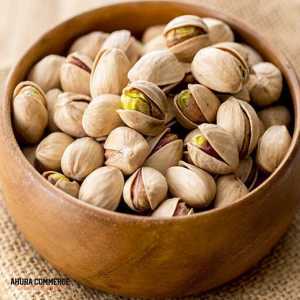
Edible Fruits, Nuts, Peel of Citrus Fruit, Melons
- Value: $7.39 million
- Description: Iran exports a variety of fruits and nuts to Kuwait, including citrus fruits like oranges and lemons, as well as melons, pomegranates, and nuts. These products cater to the high demand for fresh produce in Kuwait.
-
Stone, Plaster, Cement, Asbestos, Mica, or Similar Materials
- Value: $5.62 million
- Description: This category overlaps somewhat with cement exports but includes other construction materials such as plaster, stone, and materials used for insulation. These exports play an essential role in Kuwait’s growing infrastructure sector.
-
Carpets and Other Textile Floor Coverings
- Value: $5.52 million
- Description: Persian carpets are well-known worldwide, and Kuwait is no exception. These high-quality, handwoven carpets and floor coverings are popular due to their craftsmanship and are a staple of Iranian exports to Kuwait.
-
Glass and Glassware
- Value: $3.37 million
- Description: Iran’s glass industry, which produces a wide range of glass products for both domestic and export markets, includes items such as glassware, mirrors, and windows. These products are commonly used in both residential and commercial buildings in Kuwait.
-
Edible Vegetables and Certain Roots and Tubers
- Value: $2.59 million
- Description: Iran exports various vegetables, including potatoes, tomatoes, cucumbers, and onions, which are commonly consumed in Kuwait. This trade is vital for supplementing local agricultural production.
-
Vegetable Plaiting Materials, Vegetable Products
- Value: $2.34 million
- Description: This category includes goods like palm leaves and other plant-based materials, which are used in making various products such as baskets and hats. These materials have a niche market in Kuwait, particularly for handcrafted goods.
-
Cereal, Flour, Starch, Milk Preparations and Products
- Value: $1.98 million
- Description: This includes grain products like wheat flour, cereals, and milk-based products, which cater to the food needs of Kuwait’s population. It also likely includes various food preparations and additives.
Other Significant for Exporting Iranian Products to Kuwait (Subsequent Values)
- Coffee, Tea, Mate, and Spices($1.96M)
- Vegetable, Fruit, Nut Food Preparations($1.35M)
- Ceramic Products($1.34M)
- Inorganic Chemicals, Precious Metal Compounds, Isotopes($1.30M)
- Plastics($1.11M)
- Iron and Steel($1.10M)
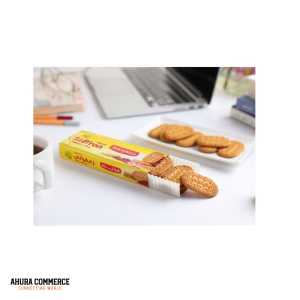
- Dairy Products, Eggs, Honey, Edible Products($925.74K)
- Mineral Fuels, Oils, Distillation Products($777.84K)
- Articles of Iron or Steel($756.28K)
- Fertilizers($681.80K)
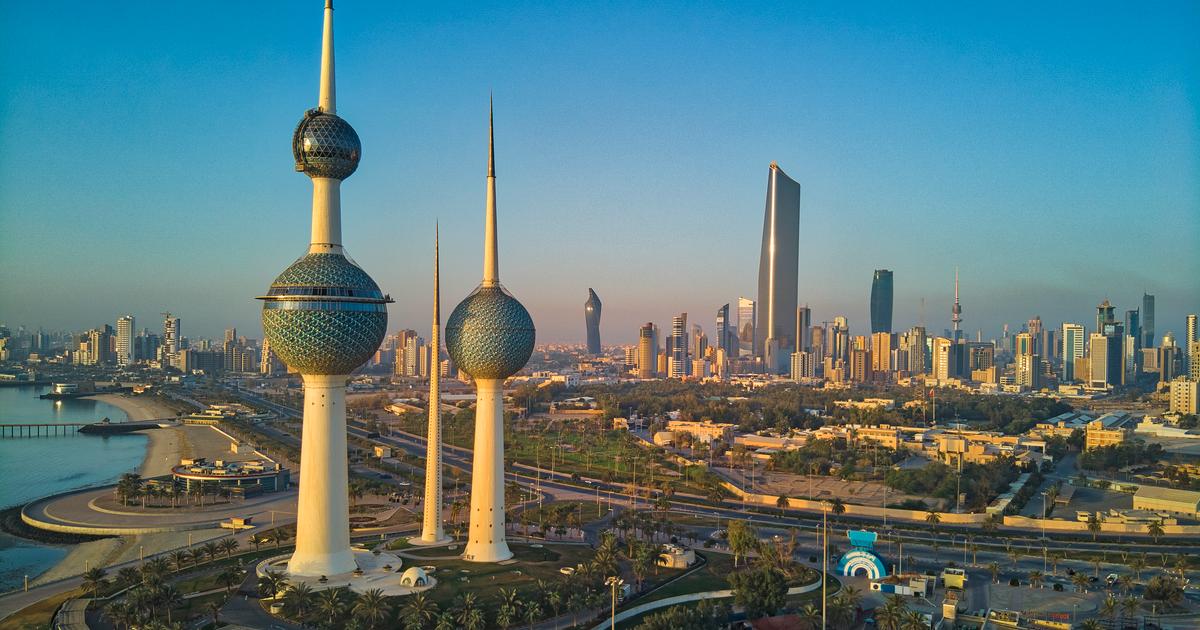
Observations and Insights
-
Construction and Infrastructure Materials
A significant portion of goods for Exporting Iranian Products to Kuwait is concentrated around construction-related products. Cement, stone, plaster, and similar materials (116.37M+116.37M+5.62M) make up a substantial share of the export value, reflecting Kuwait’s booming construction sector and the need for infrastructure development. The demand for Iranian cement, in particular, highlights the regional importance of Iran as a key supplier of building materials.
-
Agricultural and Food Exports
Fresh produce, including edible fruits, vegetables, and nuts (7.39M+7.39M+2.59M), forms another major category. Iran’s agricultural output is diverse and meets Kuwait’s needs for fresh produce, especially given that Kuwait’s own agriculture is limited due to its desert environment. The live animal trade ($26.94M) is also noteworthy, highlighting the demand for meat and livestock in the Kuwaiti market.
-
Persian Carpets and Cultural Exports
The export of carpets ($5.52M) is a traditional stronghold of Iran’s trade, with Persian carpets being highly prized in Kuwait. These exports reflect not only Iran’s cultural heritage but also the luxury market in Kuwait, where consumers seek high-quality home decor items.
-
Specialty Items: Glass, Dairy, and Fish
Niche items such as glassware (3.37M), fish (20.66M), and dairy products ($925K) also find their place in the Kuwaiti market. Kuwait’s urban population demands a variety of high-quality products, and Iranian goods like seafood and specialized dairy are popular.
-
Technological and Industrial Goods
Although on a smaller scale, Iran does export industrial goods like machinery, electronics, and steel products. The export of items such as articles of iron or steel (756K) and electrical equipment (258K) indicates the gradual growth of Iranian manufacturing in meeting Kuwait’s industrial needs.
-
Diversification in Export Products
Despite the dominance of a few categories like cement and agricultural products, there is a wide range of other products that make up smaller portions of the export profile. These include consumer goods like soaps (20.71K), textiles, and even luxury items such as pearls and precious stones in past years, demonstrating a diversification in the scope of Exporting Iranian Products to Kuwait.
Economic Context that you must know before Exporting Iranian Products to Kuwait
- Geopolitical and Trade Relations: Despite international sanctions, Iran maintains strong trade ties with its regional neighbors, including Kuwait. The continued export of essential goods, especially in construction and agriculture, highlights the ongoing demand for Iranian products in Kuwait. The geopolitical stability and relatively independent trade policies of Kuwait contribute to these consistent trade flows.
- Market Demand and Economic Structure: Kuwait’s reliance on foreign imports for both everyday goods (like food and textiles) and luxury items (like carpets and glassware) ensures a steady demand for Iranian exports. The trade balance, with a significant export surplus, reflects Iran’s ability to cater to these needs.

What are the steps of Exporting Iranian products to Kuwait? Rf: TCCIM
To export Iranian products to Kuwait, it’s crucial to follow a well-structured approach while complying with both Iranian export regulations and Kuwaiti import rules. Here’s a simple, practical guide based on established export procedures:
-
Research and Understand Kuwait’s Import Requirements
Before exporting any product to Kuwait, make sure you’re aware of its import restrictions and requirements. Kuwait has specific regulations that include documentation, labeling, and certification for imported goods. You should familiarize yourself with the following:
- HS Code Classification: Every product has a Harmonized System (HS) code, which helps identify the type of goods you are exporting. You’ll need this code for customs clearance.
- Import Licenses and Certificates: Some goods, especially food and pharmaceutical items, require special import licenses. Ensure that you have the necessary certifications, such as health certificates for food products or ISO certifications for industrial goods.
- Labeling and Packaging: Ensure all products are labeled in Arabic (often also in English), including all necessary information about the product, such as origin, usage, and instructions.
-
Check Tariffs and Duties
Kuwait is a member of the Gulf Cooperation Council (GCC), so its tariffs are generally harmonized with those of other GCC countries. You can expect duties on most imports, although they can vary based on the type of product. The typical import duty for most goods is around 5% of the product’s value, but some products may be exempt or subject to a different rate. You should check the latest tariff schedules before finalizing the export process.
-
Find a Reliable Shipping Method
Once you have the necessary documentation and understanding of the regulations, you need to decide how you’ll transport the goods from Iran to Kuwait. There are several options:
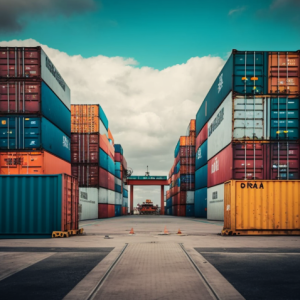
- Sea Freight: Kuwait has a major seaport, and sea freight is typically the most cost-effective way to transport large quantities of goods.
- Air Freight: If you’re dealing with high-value or time-sensitive products, air freight may be the best option.
- Land Transport: For goods coming from neighboring countries, land transport might be an option as well.
-
Partner with a Freight Forwarder and Customs Broker
It’s advisable to work with a freight forwarder who is experienced in shipping to Kuwait. A freight forwarder can help with the logistics, arrange for transport for Exporting Iranian Products to Kuwait, and ensure compliance with Kuwaiti import rules. They will also work with a customs broker to handle the customs clearance procedures. The customs broker will ensure that your products comply with Kuwaiti customs and that the necessary duties are paid.
-
Understand Payments and Invoicing
Make sure your payment terms are clearly defined. In international trade, payment methods such as Letter of Credit (LC), bank transfers, or cash against delivery (CAD) are commonly used. It’s essential to clarify the currency and method of payment before finalizing any deals with Kuwaiti buyers.
-
Find Kuwaiti Partners or Distributors
To help navigate the market, you might want to work with local distributors, importers, or agents in Kuwait who understand the market and can assist in the sale and distribution of your products. They can also help with marketing your products and complying with local preferences and standards.
-
Monitor and Comply with Regulations
The import regulations and market conditions in Kuwait are subject to change. It’s vital to stay updated on any changes that might affect your business. For instance, new import restrictions, changes in tariffs, or shifts in consumer preferences could impact your sales.
-
Consider the Cultural Aspects
Understanding Kuwait’s business culture is essential for long-term success. Kuwaiti business practices are formal, and establishing strong personal relationships with distributors or partners can be crucial. Be patient, respectful, and persistent in building trust and credibility in the Kuwaiti market.
By following these steps and ensuring that all paperwork, certifications, and compliance measures are in order, you’ll be well on your way to successfully exporting Iranian products to Kuwait.
Last words, exporting by utilizing our platform.
Exporting Iranian products to Kuwait represents a promising prospect for enterprises looking to increase their market reach in the Middle East. Kuwait's expanding customer base and high demand for different items make it an attractive destination for Iranian exporters.
Exporters can efficiently enter this market by following Kuwait's import restrictions and implementing the appropriate logistical techniques. Building solid business ties with local partners and maintaining compliance with cultural norms and tariff rules are critical to success in Exporting Iranian Products to Kuwait. It is also critical for exporters to be aware of any regulatory changes that may affect their company operations.
Digital marketing tactics used through platforms such as Ahuracommerce may considerably increase the exposure and reach of Iranian items in the Kuwaiti market. Ahuracommerce provides the capabilities required to exhibit and introduce items to a larger audience while maximizing promotional efforts through targeted campaigns and data analytics.
Exporters may use digital marketing to bridge geographical barriers as well as communicate directly with consumers, adapting their goods to local interests. This method not only improves brand visibility but also builds long-term commercial ties, laying the groundwork for a long-term export plan.


Ahura Commerce facilitates seamless international trade. Our platform empowers businesses of all sizes to navigate import/export regulations, connect with global partners, and optimize logistics. Leverage our expertise and network to achieve sustainable growth in today's interconnected marketplace.


