Most reads
- How and what are the Exportation from Iran to Oman 0 to 100?
- Top Canadian Exports Products in Global Demand in 2026
- Import screen from China
- Import from Iran
- Exporting Iranian Products to Kuwait
- What is Certificate of origin? (COO)
- Exporting Wheat from Canada
- Exporting dates from Iran
- Export Iranian products to Bahrain
- Import Pipes from China
- Export from Iran
- How to Export Iranian Iron Ore A Guide to Suppliers, Logistics, and Trade Compliance
- Canadian automotive exports Market and how to Export
- Pricing of Your Exporting Product in 2025
- 9 strategies find International buyers for my products
- Export walnut from Iran
- What supplier needs to know before exporting agricultural products in 2025?
- Why is exporting oil and fuel from Canada leading the global market?
- Incoterms 2020 and its importance for Exporters & Importers
- Lumber suppliers list 2025 best prices guide
How to Export Iranian Iron Ore?
Have you ever wonder Iran has one of the biggest Iron Ore reserves and export Ore to many countries? We as your experienced team (as you called Ahuracommerce) will dive into explaining the main reasons in below article for Export Iranian Iron Ore. If you are reading write now, it means we have grabbed your attention and you will continue to find the answer that you are looking for. Trust me, if you need any resource and prof for our article, we have given it to you down below the text. It may not sounds very academic, but it will meet your needs.
By the way, you can find best suppliers especially in raw material field and other fields with Ahuracommerce. They are many ways to find them, but the best way, is to click on heading links called (LISTINGS) above our page.
Let us don’t waste words no more, we will cover most of your questions down below. Let’s get into it with questions and answers.
-
Why is iron ore considered a strategic product for Iran?
Iron ore is regarded as a strategic commodity for Iran owing to its extensive domestic reserves, which rank among the largest in the Middle East. This resource is essential for bolstering Iran's flourishing steel industry, a cornerstone of the national economy. The presence of local iron ore enables the country to support its expanding steel production industry with minimal dependence on imports, thereby enhancing Iran's industrial autonomy and security.
The mining sector in Iran, especially iron ore, significantly contributes to job creation and industrial development. According to IMIDRO’s reports, the annual rise in iron ore concentrate and extraction by leading mining companies not only fortifies the domestic industry but also establishes a foundation for value-added exports. The government considers increasing mining production essential for economic growth for Export Iranian Iron Ore, technological progress, and regional dominance.
Strategic factors include:
- Long-term resource security for industrialization
- A foundation for steel and related industries
- A platform for exports and foreign currency earnings
|
Strategic Value |
Explanation |
|
Resource Security |
Ensures domestic industries have stable access to vital materials. |
|
Export Potential |
Offers a steady income stream from sales to international markets. |
|
Industrial Growth |
Supports national goals to expand steel and mining industries. |
-
How does iron ore export contribute to Iran’s economy?
The export of iron ore substantially bolsters Iran's economy by generating foreign currency and enhancing the balance of trade, particularly amid international financial restrictions. The income generated from iron ore exports allows Iran to diversify its economic foundation beyond oil, thereby establishing a more stable growth framework. According to data from the World Bank and OEC, Iran exported nearly $300 million in iron ore in 2022, primarily to markets including China and the UAE.
The exportation of iron ore catalyzes investment in mining and infrastructure, resulting in extensive economic advantages. This activity generates both direct and indirect employment in mining, logistics, and port services, thereby improving livelihoods in mining regions. Additionally, foreign exchange revenues from iron ore enable Iran to finance development initiatives and sustain economic resilience amid sanctions or fluctuations in oil prices Export Iranian Iron Ore.
Economic contributions from iron ore export:
- Generates export income and foreign exchange
- Supports regional development and job creation
- Reduces reliance on oil exports and diversifies the economy
|
Year |
Export Value (USD million) |
Top Destinations |
|
2022 |
~293 |
China, UAE, others |
In conclusion, the plentifulness of iron ore and its essential economic significance render it a strategic resource for Iran. Its export not only facilitates economic diversification but also fortifies the nation against external shocks, reinforcing domestic growth and employment.
























































📌 Key Producers and Suppliers of Iron Ore in Iran
-
Who are the major iron ore producers in Iran?
The iron ore industry in Iran is dominated by a few major state-owned and private enterprises. The principal producers comprise Golgohar Mining and Industrial Company, Chadormalu Mining and Industrial Company, Central Iron Ore Company, and Sangan Iron Ore Complex. These companies represent a substantial portion of the nation's extraction, concentration, and provision of iron ore for both domestic and export markets.
Reports from IMIDRO and other industry sources indicate that these companies consistently invest in augmenting production capacity and enhancing mining technology to sustain competitiveness in global markets. Their pivotal role renders them essential to the nation's mining industry and its export-driven strategy.
-
What are the production capacities and quality standards of Iran’s major iron ore mining companies?
The leading iron ore companies in Iran operate some of the largest production facilities in the region. Golgohar and Chadormalu, in particular, each have the capacity to produce several million tons of iron ore annually. For example, Golgohar has an annual production capacity upwards of 15 million tons of concentrate, while Chadormalu is close behind with over 12 million tons per year of Export Iranian Iron Ore. The Central Iron Ore Company and Sangan also contribute several million tons annually, collectively keeping Iran among the top iron ore producers globally.
Regarding quality standards, Iran’s producers adhere to both national and international benchmarks, ensuring the iron ore’s suitability for steelmaking and export. Companies maintain rigorous quality control to meet customer requirements, including controlling impurities and optimizing iron content. Many facilities are ISO certified and implement regular laboratory testing to uphold product quality.
Key features include:
- Production capacities exceeding 10 million tons per leading company
- Compliance with international mining, environmental, and quality standards
- Investment in modern beneficiation and concentration technologies
|
Company |
Annual Capacity (approx.) |
Key Quality Standard |
|
Golgohar |
15 million tons |
ISO-certified processes |
|
Chadormalu |
12 million tons |
International benchmarks |
|
Sangan |
6-8 million tons |
Rigorous QC |
-
How can buyers or partners contact key iron ore suppliers in Iran?
Buyers and partners seeking to connect with Iran’s top iron ore suppliers can primarily do so through official company websites, direct corporate contacts, or via IMIDRO, which coordinates many large mining operations. Most major producers, such as Golgohar and Chadormalu, offer dedicated contact forms and business development departments accessible from their websites.
In numerous instances, collaboration or business engagement may be initiated via Iran’s official mining and trade entities, such as IMIDRO, which offers current information, news, and coordination services for international trade and investment inquiries.
To summarize contact options:
- Visit company websites for contact forms and business inquiry resources.
- Reach out through IMIDRO’s official channels for introductions and industry coordination.
- Attend trade events or industry exhibitions where Iranian mining companies participate.
|
Producer |
Website / Contact Point |
|
Golgohar |
golgohar.com/en/ |
|
Chadormalu |
chadormalu.com |
|
IMIDRO |
imidro.gov.ir/en |
Using these platforms, buyers can initiate negotiations, arrange for technical specifications, and pursue long-term partnerships with Iran’s major iron ore producers.
📌 Supply Chain and Logistics for Iron Ore Export
-
What are the key steps in the iron ore supply chain in Iran, from mining to export?
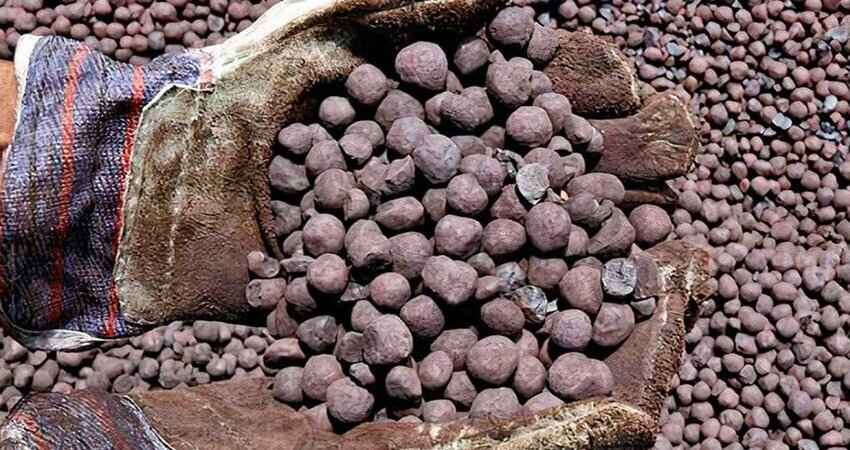
The iron ore supply chain in Iran consists of multiple interconnected stages, facilitating the efficient transport of raw ore from mines to global markets. The process commences with the extraction of iron ore from significant deposits, typically managed by prominent companies like Golgohar, Chadormalu, and Sangan. Post-extraction, the ore is subjected to concentration and beneficiation processes to augment iron content and eliminate impurities, thereby ensuring compliance with industry and export standards.
The concentrated iron ore is subsequently transported—typically by rail or truck—to processing facilities or export terminals based on market demand. Subsequent to any further processing of Export Iranian Iron Ore, including pelletizing for steel manufacturers, the iron ore is stored in extensive stockyards or silos adjacent to the ports. The material is ultimately loaded onto vessels at port facilities for export to destination nations. Quality control and logistics management are crucial in upholding product standards and coordinating deliveries throughout the supply chain.
Key Steps in the Iron Ore Supply Chain in Iran TABLE
|
Step |
Description |
Key Players / Facilities |
Logistics & Notes |
|
1. Mining / Extraction |
Iron ore is extracted from mines using advanced mining techniques. Major deposits are operated by leading Iranian companies. |
Golgohar, Chadormalu, Sangan, etc. |
High-volume sites set the foundation for supply. |
|
2. Beneficiation / Processing |
Ore is processed to increase iron content and remove impurities. This includes crushing, grinding, magnetic separation, and sometimes flotation. |
On-site processing plants |
Ensures product meets domestic/export standards. |
|
3. Concentration / Pelletizing |
Concentrated ore may be pelletized to suit steelmaking requirements, making handling and shipping more efficient. |
Pelletizing plants |
Value-added processing stage for steel plants. |
|
4. Transport |
Processed ore is transported from mines to plants or ports primarily via rail or trucks. |
National railways, trucking companies |
Network integration with national logistics. |
|
5. Storage |
Ore is temporarily stored in large stockyards or silos at processing plants or port facilities before export. |
Stockyards, silos near ports (e.g., Bandar Abbas, Imam Khomeini Port) |
Inventory management is crucial. |
|
6. Port Handling & Loading |
Material is handled, screened (if necessary), and loaded onto vessels for export at specialized port facilities. |
Dedicated port terminals |
Quality control and customs checks are performed. |
|
7. Export |
Iron ore is shipped to international markets, primarily in Asia and Europe. |
Export markets: China, India, Europe |
Shipping scheduling and destination tracking. |
-
Which ports in Iran are most commonly used for exporting iron ore, such as Bandar Abbas and Bandar Imam?
The primary iron ore exports of Iran are transported via its southern ports, particularly along the Persian Gulf. Bandar Abbas is the most important port owing to its strategic position and deep-water capabilities, serving as the principal gateway for bulk exports, such as iron ore. Another significant port is Bandar Imam Khomeini, which manages substantial iron ore volumes due to its infrastructure and direct railway links to mining areas.
Other ports, including Bandar Lengeh and Shahid Rajaee, may manage smaller shipments or function as secondary nodes; however, Bandar Abbas and Bandar Imam are predominantly employed for extensive iron ore exports due to their superior facilities and connectivity.
-
What infrastructure supports Iran’s iron ore export, including rail, road, and storage facilities?
Iran’s iron ore export activity relies on a combination of extensive railways, highways, and state-of-the-art port storage systems. The Iranian national railway system plays a critical role, connecting major mining regions in central and eastern Iran directly to ports such as Bandar Abbas and Bandar Imam for Export Iranian Iron Ore. This allows for the efficient movement of bulk ore from mines to export terminals.
Additionally, a network of well-maintained roads provides flexibility for trucks to deliver ore from smaller or more remote mines. Once at the ports, large storage yards, silos, and conveyor facilities are utilized to manage inventory and streamline the loading process. Modern loading equipment and cranes further expedite the transfer of iron ore onto bulk carrier ships, minimizing turnaround time. These combined elements enable Iran to maintain a steady, high-volume export flow, meeting international market demand even under logistical pressures.
Key infrastructure highlights:
- National railways directly link mines to key ports
- Road networks supplement rail, enhancing flexibility
- Ports feature advanced storage yards, silos, and loading systems
|
Infrastructure Type |
Key Component |
Role for Iron Ore Export |
|
Railways |
Mine-to-port connections |
Efficient bulk transport |
|
Roads |
Regional and last-mile access |
Flexibility for smaller shipments |
|
Port Facilities |
Storage & loading equipment |
Stockpiling and ship loading |
This time we have an Example over our experience which would be practical for your Experience for Sangan Iron Ore Supply Chain to Export through Bandar Abbas
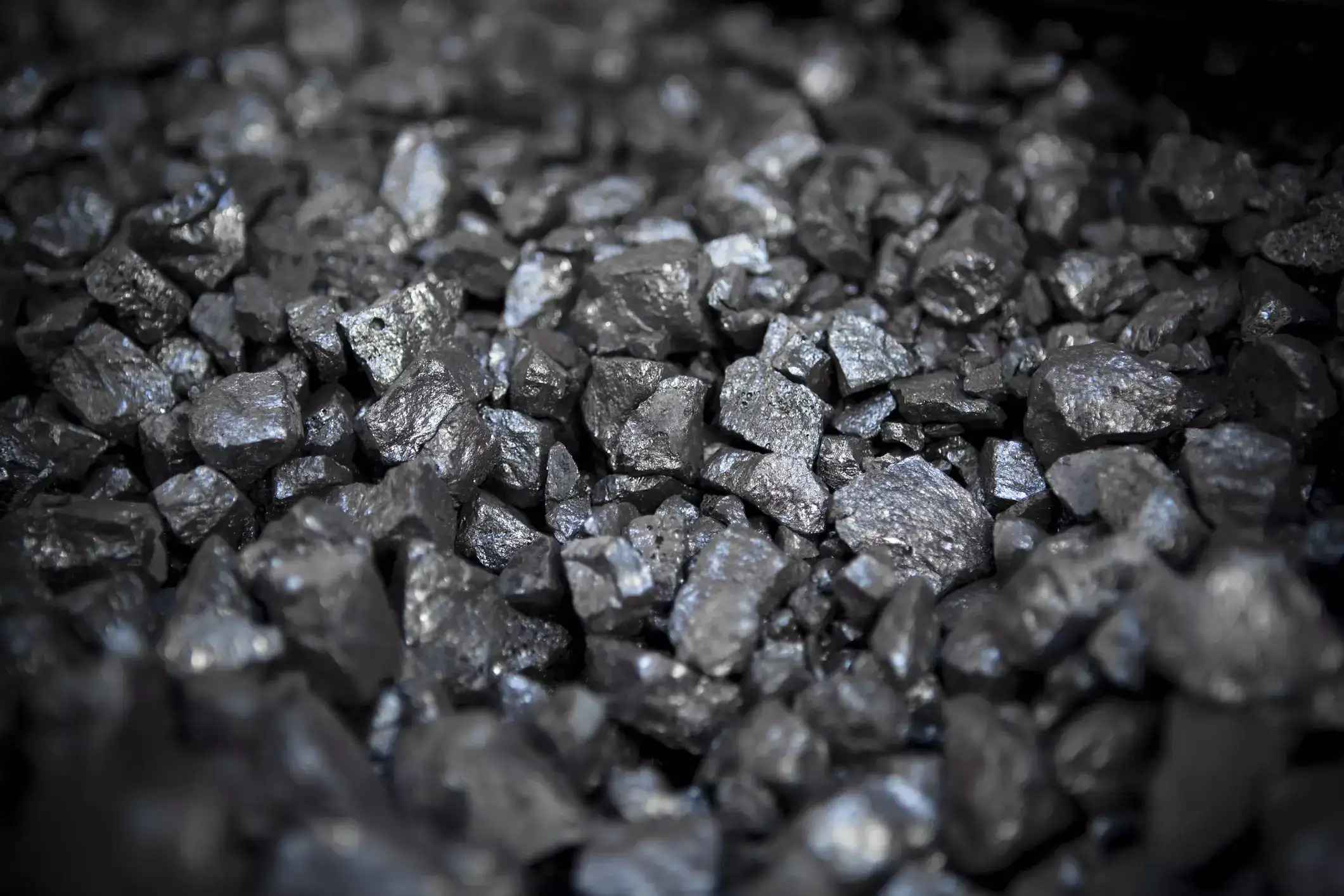
The Sangan Iron Ore Complex, situated in eastern Iran adjacent to the Afghan border, is among the largest producers in the nation. Following extraction from the Sangan mines, iron ore undergoes onsite beneficiation and concentration processes to attain marketable quality.
Upon processing, the iron ore concentrate is transferred to railway wagons through a specialized rail line linking Sangan to Iran's national railway system. The ore is conveyed over several hundred kilometers by train directly to the export facilities at Bandar Abbas, Iran's principal southern port.
At Bandar Abbas, the iron ore concentrate is deposited into expansive port storage facilities for Exporting Iranian Iron Ore. Quality assessments and logistical arrangements are conducted prior to the loading of ore onto bulk cargo vessels. The port features sophisticated conveyor belts and loaders engineered for efficient high throughput, thereby reducing vessel turnaround time.
The entire supply chain—from extraction, beneficiation, rail transport, port storage, to loading for export—illustrates the coordinated infrastructure supporting Iran’s iron ore industry. In 2022, a significant share of Sangan’s production was shipped to countries like China via this exact route, as confirmed by trade reports and industry news.
-
What legal and regulatory requirements must be met to export iron ore from Iran?
Exporting iron ore from Iran necessitates adherence to national mining, export, and customs regulations. Exporters must operate within the parameters set by the Ministry of Industry, Mine, and Trade (IMT) and IMIDRO (Iranian Mines and Mining Industries Development and Renovation Organization). Iron ore, as a strategic commodity, is influenced by intermittent government policies, including export quotas, quality standards, and occasionally, temporary bans to prioritize domestic supply.
Moreover Exporting Iron Ore from Iran, exporters must exclusively engage in operations with valid mining, environmental, and export permits, guaranteeing that all extracted and processed iron ore is legally obtained and complies with safety and quality standards.
-
How can exporters obtain the necessary licenses and approvals for iron ore export?
Companies must secure multiple approvals to legally export iron ore. A valid mining license for extraction, issued by the Ministry of Industry, Mine, and Trade, is required. An export activities require a business operating license and an export permit from the Iran Trade Promotion Organization or IMIDRO. Exporters must also register with Iran's customs authorities. Occasionally, particular authorizations from environmental agencies or quality control entities are necessary, contingent upon the regulations of the export destination.
Essential steps encompass:
- Acquire mining and business operation licenses from the appropriate ministries.
- Obtain an export permit for every shipment, particularly in the event of policy alterations.
- Finalize registration with Iranian customs and trade authorities.
- Perform product quality assessments and certifications as necessary.
-
What documentation and customs procedures are required for exporting iron ore from Iran?
Each iron ore export shipment must be accompanied by a range of official documents that comply with Iranian customs regulations. The most important documents include the commercial invoice, packing list, certificate of origin, quality and inspection certificates, export permit, and bill of lading. All goods must be declared to customs at the port of exit using these documents.
Exporters must present the documents for review by customs officers, who inspect the goods for regulatory compliance, quality standards, and legal sourcing for the Exportation Iranian Iron Ore. Clearance is granted only once all requirements are met, after which customs will allow the cargo to be loaded for export. Exporters must also be prepared for random inspections or audits, especially for sensitive goods like iron ore.
|
Required Document |
Purpose |
|
Commercial Invoice |
Shows value and terms of sale |
|
Packing List |
Details contents and packaging |
|
Certificate of Origin |
Proves Iranian source |
|
Quality/Inspection Cert. |
Confirms compliance with standards |
|
Export Permit |
Authorization to export |
|
Bill of Lading |
Shipping document issued by carrier |
-
What are the best practices for negotiating export contracts and setting prices for iron ore?
Effective strategies for negotiating iron ore export contracts include comprehensive market analysis, clear contractual terms, and robust risk management. Exporters should determine their pricing based on international benchmarks such as the Platts or Metal Bulletin indices, while taking into account ore grade, logistical costs, and prevailing market conditions. Clear contractual stipulations regarding quantity, delivery schedules, payment methods (often requiring letters of credit), and dispute resolution clauses reduce the likelihood of misunderstandings.
Collaborating with reputable buyers and employing internationally recognized INCOTERMS (such as FOB or CIF) to delineate responsibilities is advantageous. Incorporating escalation clauses or price adjustment mechanisms in long-term contracts can safeguard both parties against fluctuations in global prices. A legal review of contracts, along with the potential engagement of trade attorneys, is essential to mitigate legal and commercial risks.
In short optimal practices:
- Consult international pricing and modify for ore quality
- Utilize explicit and comprehensive written agreements
- Define the terms of payment, delivery, and quality.
- Integrate risk management and price adjustment provisions
- Guarantee adherence to Iranian and international trade regulations
-
What are the main trade barriers for exporting iron ore from Iran, and how can they be overcome?
The primary trade obstacles for Iranian iron ore exporters include international sanctions, fluctuating domestic export regulations, and logistical difficulties. Sanctions, especially from Western nations, limit access to international banking systems, insurance, and certain conventional shipping routes.
Moreover, Iranian authorities may impose export bans or duties to safeguard domestic supply or stabilize prices, thereby introducing uncertainty for exporters. Logistical difficulties also emerge from port congestion, variable infrastructure quality, and extensive internal distances from mines to ports.
Surmounting these obstacles necessitates multiple strategies. Exporters frequently devise alternative payment mechanisms, including intermediaries, non-dollar currencies, or barter agreements, to circumvent banking restrictions. Vigilant observation of policy modifications and proactive interaction with governmental bodies can assist companies in foreseeing and adjusting to regulatory alterations.
Investment in logistics, encompassing long-term agreements with dependable transport providers and the expansion of storage facilities, also mitigates physical export bottlenecks. Establishing partnerships in destination markets with less stringent sanctions, primarily in Asia, constitutes a pragmatic solution.
-
How can exporters ensure quality control and meet international standards for iron ore?
To guarantee quality control and adhere to international standards, Iranian exporters implement stringent quality inspection and certification procedures at each phase of production and export. Most prominent mining corporations possess internal laboratories for routine sampling and analysis, guaranteeing that iron content, impurities, and physical specifications comply with both Iranian and international standards.
Utilizing third-party inspection agencies, such as SGS or Bureau Veritas, for independent certification prior to shipment is a common and optimal practice, especially for export contracts. Upholding ISO certifications and modernizing production technologies enhances quality assurance. Exporters must ensure that appropriate documentation, including quality certificates, accompanies each shipment to enhance buyer confidence and prevent delays during international customs inspections.
-
What are the key risks in logistics and payments for iron ore export, and how can they be mitigated?
Logistics risks in Iranian iron ore export include transportation disruptions, port congestion, and accidents during loading or transit. Payment risks primarily stem from international sanctions limiting transfers, delayed payments due to unfamiliar partners, or counterparty defaults.
Mitigation strategies involve:
- Using confirmed letters of credit (LCs) or secure escrow services for payments, avoiding open-account sales where possible.
- Diversifying transport arrangements—relying on both rail and road, and using multiple ports—to avoid single-point failure.
- Choosing reputable international freight and insurance providers specializing in sanction-market logistics.
- Including force majeure and dispute resolution clauses in contracts to manage unforeseen disruptions.
|
Risk Area |
Mitigation Strategy |
|
Payment Risk |
Letters of credit, pre-payment, secure partners |
|
Logistics Risk |
Multi-route shipment, reliable carriers |
|
Quality/Inspection |
Third-party certification, ISO compliance |
-
Where can exporters find international buyers and brokers for Iranian iron ore?
Iranian iron ore exporters have several effective channels to source international buyers and brokers. A professional approach combines digital outreach with industry networking to maximize reach.
Online Platforms and Marketplaces:
Exporters can leverage prominent B2B trade platforms such as Ahuracommerce, Global Sources, and Alibaba, which list thousands of metal and mineral buyers globally. These platforms significantly expand the supplier’s online visibility and allow for direct engagement with potential buyers. Additionally, market intelligence websites like OEC (oec.world) and SteelMint provide valuable leads and buyer directories.
Industry Associations and Networks:
Becoming a member of organizations such as the Iranian Iron & Steel Association (IISA), IMIDRO, or international bodies can give access to exclusive buyer lists and facilitate introductions. Regular communication with Iranian trade attachés and commercial offices abroad is another reliable route for connecting with vetted intermediaries.
Trade Fairs and Exhibitions:
Participating in regional and global mining exhibitions remains one of the most effective methods for face-to-face business development (details in section 3).
Table: Key Channels for Buyer Discovery
|
Channel |
Examples / Application |
Benefit |
|
Online B2B Platforms |
Ahuracommerce, TradeKey, Global Sources |
Broad exposure, direct leads |
|
Industry Associations |
IISA, IMIDRO |
Trusted network, references |
|
Trade Events |
China Int’l Mining Expo, Metal & Steel Middle East |
Build trust, live connection |
|
Gov. Commercial Offices |
Iranian embassies’ trade sections |
Official validation, support |
Professional Tip:
Always perform due diligence on new contacts. Use international credit agencies or bank references to verify financial reliability and legitimacy.
-
What strategies are effective for building long-term partnerships with overseas markets?
Long-term success in overseas markets demands disciplined relationship management, adaptability, and transparency.
Exporters should focus on:
- Quality Consistency: Consistently providing iron ore that meets agreed specifications and international standards establishes trust and encourages repeat purchases.
- Proactive Communication: Transparent dialogue throughout all stages of negotiation, shipment, and after-sales builds credibility. Regular updates on shipments and prompt resolution of problems are critical.
- Flexible Contracting: Crafting contracts that allow for adjustments in volume, price, or delivery—in line with international benchmarks—demonstrates customer-centricity.
- After-Sales Service: Providing technical support or addressing queries post-delivery sets exporters apart from transactional competitors.
- Cultural Competence: Understanding and respecting the customs and business etiquette of target markets fosters trust and smoother negotiations.
A leading Iranian producer implemented a structured Key Account Management program for its top five Asian clients. By assigning dedicated managers, providing rolling forecasts, and holding quarterly performance reviews, the company achieved a 40% increase in contract renewals over two years.
-
How can companies participate in trade fairs and exhibitions to promote Iranian iron ore?
Attending and exhibiting at international trade shows is a cornerstone for strengthening market presence and building new partnerships.
Key steps for effective participation include:
- Event Selection: Identify and register for high-impact events such as the China International Mining Expo, Metal & Steel Middle East, and India Steel. Use industry calendars and government export agencies to find suitable expos.
- Preparation of Materials: Develop bilingual marketing collateral, technical data sheets, company profiles, and product samples. Ensure staff is trained to answer technical and commercial queries in English and, if possible, local languages.
- Engage and Follow Up: Assign experienced staff to actively network at your booth, gather contacts, and set up meetings. Post-event, immediately follow up with leads using professional proposals and product documentation.
- Government and Industry Support: Leverage the support of IMIDRO and the Iran Chamber of Commerce, which often coordinate collective Iranian participation and offer logistical support for group stands.
Table: Preparation Checklist for Trade Fairs
|
Task |
Details |
|
Event Registration |
Early booking, visa arrangements |
|
Marketing Materials |
Brochures, samples, data sheets in target languages |
|
Staff Selection |
Trained in product/market, multilingual if possible |
|
Lead Management |
CRM system for tracking follow-ups |
Example:
At the Metal & Steel Middle East Expo, an Iranian exporter showcased their commitment to quality by offering on-site sample analysis and by organizing virtual tours of their mining facilities via VR headsets—initiatives that directly resulted in multiple new supply contracts.
Our Last Words as Author:
We hope, we have covered many of your questions about doing business in Ore field, especially with Iran. We have tried to cover many aspects and give reasonable data and information in above article. Remember we are always here for you! If you like contact us we are here, if you like to contact companies and our listing Click here. Ahuracommerce promise you that your requirements will be fulfilled.
Author: Ahuracommerce
Resources are here:
|
Resource Link |
What It’s For / How To Use It |
|
Official news on Iran’s iron ore concentrate production. Useful for finding production statistics, industry updates, and identifying major producers listed by IMIDRO. |
|
|
IMIDRO News: Major Iranian Mining Companies’ Iron Ore Extraction and Production |
Details on the country’s largest mining companies, their production capacity, growth rates, and sometimes contact info for suppliers or key players. |
|
Trade statistics: Iran’s iron ore export destinations, value, year-over-year trends, and a breakdown of main importers. Useful for market research and identifying international buyers or target markets. |
|
|
Industry insights and articles on Iran’s iron ore sector; occasionally includes exporter/importer details, challenges, and sector outlook. |
|
|
Up-to-date data on Iran’s iron and steel exports, including iron ore, export values, volumes, and country comparisons. Use for market and trend reporting. |
|
|
Detailed, downloadable export statistics for Iranian iron ore by year, destination, and product code. Valuable for identifying major buyers, trade trends, and supporting business plans with data. |


Ahura Commerce facilitates seamless international trade. Our platform empowers businesses of all sizes to navigate import/export regulations, connect with global partners, and optimize logistics. Leverage our expertise and network to achieve sustainable growth in today's interconnected marketplace.


