Most reads
- How and what are the Exportation from Iran to Oman 0 to 100?
- Top Canadian Exports Products in Global Demand in 2026
- Import screen from China
- Import from Iran
- Exporting Iranian Products to Kuwait
- What is Certificate of origin? (COO)
- Exporting Wheat from Canada
- Exporting dates from Iran
- Export Iranian products to Bahrain
- Import Pipes from China
- Export from Iran
- How to Export Iranian Iron Ore A Guide to Suppliers, Logistics, and Trade Compliance
- Canadian automotive exports Market and how to Export
- Pricing of Your Exporting Product in 2025
- 9 strategies find International buyers for my products
- Export walnut from Iran
- What supplier needs to know before exporting agricultural products in 2025?
- Why is exporting oil and fuel from Canada leading the global market?
- Incoterms 2020 and its importance for Exporters & Importers
- Lumber suppliers list 2025 best prices guide
0 to 100 of Exporting Wheat from Canada
Journey of Export Wheat from Canada
Wheat stands as one of Canada's foremost agricultural commodities and exporting wheat from Canada, with its cultivation deeply ingrained in the national agricultural economy. The process of exporting wheat from Canada not only reflects the country's agricultural but also serves as a vital role to the global food supply chain. Canada is one of the world's leading wheat exporters, and plays a significant role in reaching of the escalating global demand. From the vast prairie landscapes of the Canada to the bustling ports on its coastlines, the journey of Canadian wheat encompasses a series of intricate steps and processes, ensure quality, efficiency, and adherence to international trade regulations of this particular product.
Harvesting Wheat in Canada
The first step in the exporting Canadian wheat starts in cultivation across the expansive wheat-growing regions. With its fertile soils, temperate climate, and advanced agricultural practices, Canada yields abundant harvests of high-quality wheat varieties. Canadian farms & farmers, equipped with modern machinery and agronomic expertise, diligently tend to their fields, nurturing the wheat crops from planting to harvest. From the golden fields of Saskatchewan to the rolling plains of Alberta and Manitoba, Canadian farmers play an important role in suppling of both domestic, international consumption and exporting wheat from Canada.
Storing Canadian Wheat for Export
Following the harvesting wheat, the next crucial phase in the exporting process is the aggregation and storage of wheat. Grain elevators, strategically located across the wheat-growing regions of Canada (Alberta & Manitoba), serve as vital hubs where farmers can deliver their goods for short time storage. These grain elevators not only facilitate the efficient collection of local farmer’s wheat but also ensure proper storage conditions to preserve the quality and integrity of them. Focus on detail, wheat undergoes thorough quality assessments to meet the strict standards for exporting wheat from Canada and enter to international trade markets.
Moving Wheat to Ports
Once the Wheat is harvested and stored, it will get ready to transport from farm to port, traversing vast distances via an extensive transportation network. Prepared wheats will be transported by truck, rail, or barge, to coastal ports. This process will require seamless and exact coordination. Railways serve as the primary mode of transportation for bulk grain shipments in Canada. This transportation module is connecting the central regions to seaports on Canada's eastern and western lands. Along the way, grain handling facilities and transportation infrastructure ensure the efficient transfer of wheat from storage and warehouse to awaiting vessels, ready to embark on their international voyage.
How to Export Wheat from Canada?
Exporting wheat from Canada involves a series of strategic & important steps along with logistical processes aimed at efficiently export high-quality Canadian wheat to international markets. Wheat exporters must ensure themselves about required regulation to navigating complex supply chain dynamics. They must adeptly manage various steps to export their products and pass these. Here's a comprehensive guide outlining the key steps involved in exporting wheat from Canada:
-
Market Research and Analysis
Before starting the process of exporting wheat from Canada, Exporters must start market research and analysis to identify potential target markets and understand prevailing demand trends. Factors such as consumer preferences, Import & Export regulations, trade agreements, and competitive landscapes play a crucial role in shaping export strategies and segment the related market. By leveraging market intelligence and insights, exporters can have their approach to effectively enter and capitalize on lucrative and profitable market opportunities.
-
Canadian Wheat Quality
Ensuring the quality and compliance of Canadian wheat with international standards and regulations is paramount to be successful in exporting wheat from Canada. Exporters must adhere to stringent quality control measures throughout the production, testing, handling, and storage stages to maintain the integrity and purity of the exporting wheat. Certifications such as Canada Grain Commission's Official, Grain Grading Guide and Canadian, Grain Commission's Licensing and Quality Assurance Program attest to the quality and authenticity of Canadian wheat, instilling confidence among international buyers and importers.
-
Transportation wheat from Canada
Efficient logistics and transportation management are the most critical stage among other steps. It will have direct effect on time and costs. If this stage face difficulties, the products may cause huge failure for the Canadian Wheat Exporter. Exporters must coordinate the logistics of transporting wheat from inland storage facilities to port terminals, leveraging various modes of transportation such as rail, truck, and barge. Collaborating with reputable shipping company will enhance the process of supply chain and it minimize transit time along with costs and maximize operational efficiency too.
-
Customs for Exporting wheat from Canada
Exporting wheat from Canada needs comprehensive documentation and customs clearance process to enter in international market. Export companies must prepare and submit their exporting documents, including commercial invoices, packing lists, certificates of origin, phytosanitary certificates, and export permits, in accordance with the regulatory requirements of importing countries and their Canadian state. Additionally, navigating customs procedures and compliance with import tariffs, duties, and quotas are essential considerations to have smooth clearance process of exporting wheat from Canada and ship them to destination.
-
Market Entry challenges
Establishing effective marketing strategies will help them to entre in targeted market. Mentioned strategy along with distribution channels are very instrumental in reaching target customers and maximizing market penetration. Exporters may opt to collaborate with local distributors, agents, or trading partners who possess market expertise and established networks in target regions. Building strategic partnerships, finding enhanced distributing channel, convenient price, and establish high end promotions will enable exporters to access good local market insights. research about cultural nuances, and overcome trade barriers, thereby enhancing market access and competitiveness. Additionally, participation in international and domestic trade fairs, exhibitions, and promotional events provides valuable opportunities to showcase Canadian wheat, foster business relationships, and expand market presence.
-
Risk Management
Exporting companies must have risks Management in their international trade. This method will play essential role for safeguarding the interests of exporters and mitigating potential disruptions to wheat export operations. They must assess and mitigate many risk factors such as currency fluctuations, political instability, transportation delays, adverse weather conditions, and quality control issues (uncontrollable conditions). Risk management strategies like hedging against currency volatility, securing insurance coverage, and diversifying export markets, will mitigate exposure to potential risks and enhances resilience in the face of uncertainties of the market.
-
Monitoring the exporting wheat from Canada
Sustaining successful wheat export operations necessitates continuous monitoring and evaluation of key performance indicators (KPIs) to gauge the effectiveness of export strategies and identify areas for improvement. Exporters should track metrics such as sales volume, market share, customer satisfaction, logistics efficiency, and regulatory compliance to measure the performance of export activities. By leveraging data analytics and performance metrics, exporters can make informed decisions, optimize resource allocation, and adapt strategies to evolving market dynamics, thereby fostering long-term sustainability and competitiveness in the global wheat trade.
In summary, the exporting wheat from Canada involves a complex process requiring careful planning, execution, and management throughout the entire supply chain. By using strategic market insights, maintaining high-quality standards, optimizing logistics, navigating regulatory challenges, and mitigating risks, exporters can fully realize the potential of Canadian wheat in international markets. Through a continued dedication to excellence, innovation, and collaboration, Canadian wheat exporters can sustain their success in the dynamic and competitive international marketplace, thereby enhancing the prosperity and resilience of Canada's agricultural sector on the global stage.
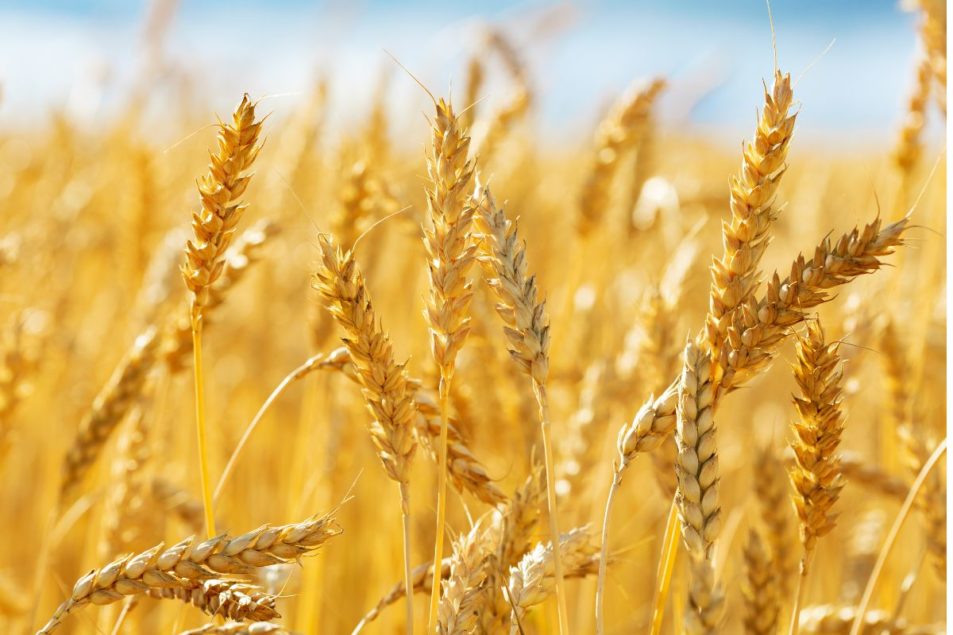
What are the Pros of Exporting wheat from Canada?
Exporting wheat from Canada provides significant advantages for both the Canadian economy and global food security. You can find those benefits in below:
-
Wheat & Economic Growth
Exporting wheat from Canada play significant role in driving economic growth. The export of Canadian wheat generates substantial revenue for Canadian farmers, agribusinesses, and the broader agricultural sector, contributing to job creation, income generation, and rural development. The influx of export earnings strengthens Canada's trade balance to supports economic diversification efforts, enhancing GDP and domestic economy stability and resilience of Canada.
-
Canadian wheat & Food Security
As one of the world's leading wheat producer, Canada plays a crucial role in ensuring global food security by supplying high-quality wheat for other countries around the world. Canadian wheat is renowned for its superior quality, nutritional value, and reliability, making it a preferred choice for food processors, bakeries, and consumers worldwide. Exporting wheat from Canada need to meet the growing demand for this product in international scope. The export of the Canadian wheat will help mitigate food shortages, alleviate hunger, and promote food stability on a global scale.
-
Market Diversification
Exporting wheat from Canada enables producers to access a diverse range of international markets, reducing reliance on domestic demand and decrease the risks associated with non-stable markets. By this method, Canadian exporters can overcome market risks, find opportunities and respond to shifts in consumer behavior in specific regions. Market diversification increase the resilience and competitiveness of Canada's wheat industry, fostering long-term sustainability and growth for both consumption and trade.
-
Utilization of Comparative Advantage
Canada possesses natural advantages, including fertile soils, favorable climatic conditions, advanced agricultural technology, and efficient transportation infrastructure, which make it well-suited for wheat production. By leveraging these comparative advantages, Canadian wheat producers can achieve economies of scale, optimize production efficiency, and maintain cost competitiveness in the global marketplace. The utilization of comparative advantage enables Canada to position itself as a reliable and competitive supplier of high-quality wheat, thereby enhancing its global market share and reputation.
-
Promotion, Innovation and Sustainability
Export-oriented wheat production force Canadian farmers and agribusinesses to innovate and adopt best practices along with invest in agricultural sustainability. In response to evolving market demands environmental challenges will continually strive to enhance productivity of Exporting wheat from Canada. It reduces environmental footprint and improve resource efficiency through technological advancements, research, and development. By promoting sustainability and innovation across the wheat supply chain, Canadian exporting companies are trying to their competitive edge to meet their evolving consumer expectations. This trend evolves them to contributes in global efforts towards environmental conservation and climate resilience.
Overall, the exporting wheat from Canada brings significant economic, social, and environmental benefits, reinforcing Canada's position as a key player in the global wheat trade while contributing to the well-being of communities at home and abroad.
What are the risks of exporting wheat from Canada?
Exporting wheat from Canada needs good management skills that can impact the profitability, stability, and sustainability of the operations. These risks encompass various factors spanning economic, logistical, regulatory, and geopolitical dimensions. Here are some of the key risks and possibility associated with exporting wheat from Canada:
- Market Price Volatility: Fluctuations in global wheat prices pose significant risks for exporters, as they can affect the competitiveness and profitability of wheat export from Canada transactions. Result of changing in supply and demand dynamics, weather-related crop failures, currency fluctuations, trade policies, and geopolitical tensions will be Price volatility. That is why Exporters must carefully observe market trends and implement risk management strategies, such as hedging against price fluctuations, to mitigate the impact of market price volatility on export revenues.
- Transportation: Transportation is one of the most crucial steps of Exporting wheat from Canada. Transportation starts from farms where the production begins. It will continue with ship the wheat to terminals in order to export. Transporting of the wheats have various challenges, including transportation bottlenecks, infrastructure limitations, adverse weather conditions, and labor strikes. Weak coordination in transportation and logistics can lead the exporting process to delays, increased costs, and supply chain inefficiencies, impacting the timely delivery of wheat shipments to international markets. Exporters must implement contingency plans, diversify transportation routes, and collaborate with reliable logistics partners to mitigate the risks of transportation disruptions.
- Trade & Regulatory Compliance: Exporting wheat from Canada requires compliance with complex regulatory requirements imposed by domestic and international authorities. Importing countries may impose strict phytosanitary laws, maximum residue limits (MRLs) for pesticides, labeling requirements and import tariffs, which can create a market access barrier for Canadian wheat exporters. Failure to comply with regulatory standards can result rejection before or after start of shipments, commercial disputes, and will result reputational damage. Exporters must keep abreast of regulatory developments, ensure compliance with import regulations, and maintain robust quality assurance systems to mitigate the risks of trade barriers and regulatory non-compliance.
- Environmental Risks: Although Canada is located in the northern hemisphere, wheat production in this region is susceptible to environmental and climatic hazards, including extreme weather events, droughts, floods, pests and diseases. Changing weather patterns can affect crop yields as well as wheat quality and production costs, creating challenges for wheat exporters. Climate change impacts, such as water scarcity, soil degradation, and extreme temperatures, may exacerbate production risks and increase vulnerability to environmental hazards. Adopting climate-resilient agricultural practices, investing in sustainable water management, and implementing risk mitigation measures are essential strategies to address environmental and climate risks in wheat export operations.
In conclusion, while exporting wheat from Canada offers lucrative market opportunities, it also involves inherent risks that require careful risk assessment, planning, and management by industry stakeholders. By proactively addressing these risks and implementing robust risk management strategies, Canadian wheat exporters can navigate the complexities of the global marketplace and sustainably capitalize on the opportunities offered by international trade.
Best markets for Exporting wheat from Canada
Determining the "best" countries for exporting wheat from Canada involves assessing various factors, including market demand, trade regulations, transportation infrastructure, economic stability, and geopolitical considerations. While Canadian wheat exporters have access to a wide range of international markets, some countries stand out as important destinations for Canadian wheat exports. Here are several countries that represent good buyer opportunities for exporting wheat from Canada:
-
Exporting wheat from Canada to United States
Despite being a significant wheat producer itself, the United States remains important market for Canadian wheat exports, particularly for high-protein wheat varieties used in baking and milling. Proximity to Canada, strong trade relations, and a well-established transportation network from Canada to USA make the United States an attractive destination for exporting wheat from Canada to United states.
-
Exporting wheat from Canada to China
China is one of the world's largest importers of Canadian wheat, driven by increasing demand for wheat-based products and changing dietary preferences. Canadian wheat exporters have capitalized on opportunities for Exporting wheat from Canada to China and its market. Supplying high-quality wheat varieties for food processing, bakery products, and animal feed is the first aim of Exporting Canadian wheat to China. Despite trade tensions and regulatory challenges, China remains a lucrative market for Canadian wheat exports due to its sheer size, growing middle class, and expanding food industry.
-
Exporting wheat from Canada to Japan
Japan is another major importer of Canadian wheat, where is relying heavily on imports to meet domestic demand for wheat-based products such as various noodle types, all kind of bread, and pastries. Canadian wheat export to Japan because of its consistent quality, high protein content, and superior milling characteristics. The Canada-Japan Economic Partnership Agreement (CJFTA) has further facilitated to export Canadian Wheat to Japan, providing preferential access for Canadian wheat exporters and enhancing market opportunities in Japan.
-
Exporting wheat from Canada to Mexico
Exporting Canadian Wheat to Mexico is the other significant market for exporters, particularly for durum wheat which is using in pasta production and bread bakery. Distance between Canada and Mexico increase the desire of the export wheat from Canada to Mexico. Favorable trade relations, and strong demand for high quality wheat are the other attractive metrics for Mexican market. The Canada-Mexico-United States Agreement (CUSMA) has further bolstered trade ties for exporting Canadian wheat to Mexico, providing preferential access for Canadian wheat exports and fostering market growth.
-
Exporting wheat from Canada to Indonesia
Indonesia is the world's largest wheat importer of Canadian Wheat, driven by population growth, urbanization, and rising demand for wheat-based products like Japan such as numerus types of noodles, bread, and pastries. Canadian wheat exporters have capitalized on opportunities in the Indonesian market, supplying high-quality wheat varieties tailored to the specific needs of Indonesian food processors and consumers. Despite regulatory challenges and market competition, Export wheat from Canada to Indonesia remains a promising activity for Canadian wheat exports due to its large consumer base and growing food industry.
-
Exporting wheat from Canada to Algeria
Algeria is one of the biggest wheat importers from Canada to Africa, relying heavily on imports to meet domestic demand for wheat-based products such as bread and couscous. Canadian wheat exporters have established a strong presence in the Algerian market, supplying high-quality wheat varieties prized for their milling characteristics and suitability for food making. Despite market competition and logistical challenges and difficulties, Algeria offers beneficial opportunities and market to Export Canadian wheat and its exporters will be seeking to expand their presence in the North African market.
While these countries represent promising opportunities for Canadian wheat exports, it's essential for exporters to conduct thorough market research, assess market dynamics, and develop tailored export strategies to capitalize on specific market opportunities and navigate challenges effectively. By leveraging market insights, building strategic partnerships, and adhering to regulatory requirements, Canadian wheat exporters can maximize their competitiveness and sustainably expand their presence in international markets.
Export Wheat from Canada with Us
In conclusion, exporting wheat from Canada is a complex yet highly rewarding endeavor that involves a series of well-coordinated steps. From meticulous market research and adherence to quality standards to efficient logistics management and compliance with international regulations, each stage of the export process is critical to ensuring the successful delivery of high-quality Canadian wheat to global markets. By leveraging Canada's natural advantages, such as fertile soils and advanced agricultural technology, Canadian wheat exporters can meet the growing demand for premium wheat products worldwide.
Ahura commerce, as an expert in exporting wheat from Canada, excels in navigating these intricate processes. Our deep understanding of market dynamics, rigorous quality assurance protocols, and robust logistical capabilities enable us to deliver superior wheat products to our valued international partners. At Ahura commerce, we are committed to maintaining the highest standards of excellence and sustainability in all our export operations. By prioritizing customer satisfaction and fostering strong trade relationships, Ahura commerce continues to set the benchmark for quality and reliability in the global wheat export industry.
Whether it’s identifying promising markets, ensuring compliance with regulatory requirements, or managing the complexities of international shipping, Ahura commerce stands out as a trusted and proficient partner in the global wheat trade. Our expertise and dedication ensure that Canadian wheat reaches its destinations efficiently and maintains its renowned quality, supporting the prosperity of Canada's agricultural sector and contributing to global food security.


Ahura Commerce facilitates seamless international trade. Our platform empowers businesses of all sizes to navigate import/export regulations, connect with global partners, and optimize logistics. Leverage our expertise and network to achieve sustainable growth in today's interconnected marketplace.


