Most reads
- How and what are the Exportation from Iran to Oman 0 to 100?
- Top Canadian Exports Products in Global Demand in 2026
- Import screen from China
- Import from Iran
- Exporting Iranian Products to Kuwait
- What is Certificate of origin? (COO)
- Exporting Wheat from Canada
- Exporting dates from Iran
- Export Iranian products to Bahrain
- Import Pipes from China
- Export from Iran
- How to Export Iranian Iron Ore A Guide to Suppliers, Logistics, and Trade Compliance
- Canadian automotive exports Market and how to Export
- Pricing of Your Exporting Product in 2025
- 9 strategies find International buyers for my products
- Export walnut from Iran
- What supplier needs to know before exporting agricultural products in 2025?
- Why is exporting oil and fuel from Canada leading the global market?
- Incoterms 2020 and its importance for Exporters & Importers
- Lumber suppliers list 2025 best prices guide
0 to 100 of Export Walnut from Iran
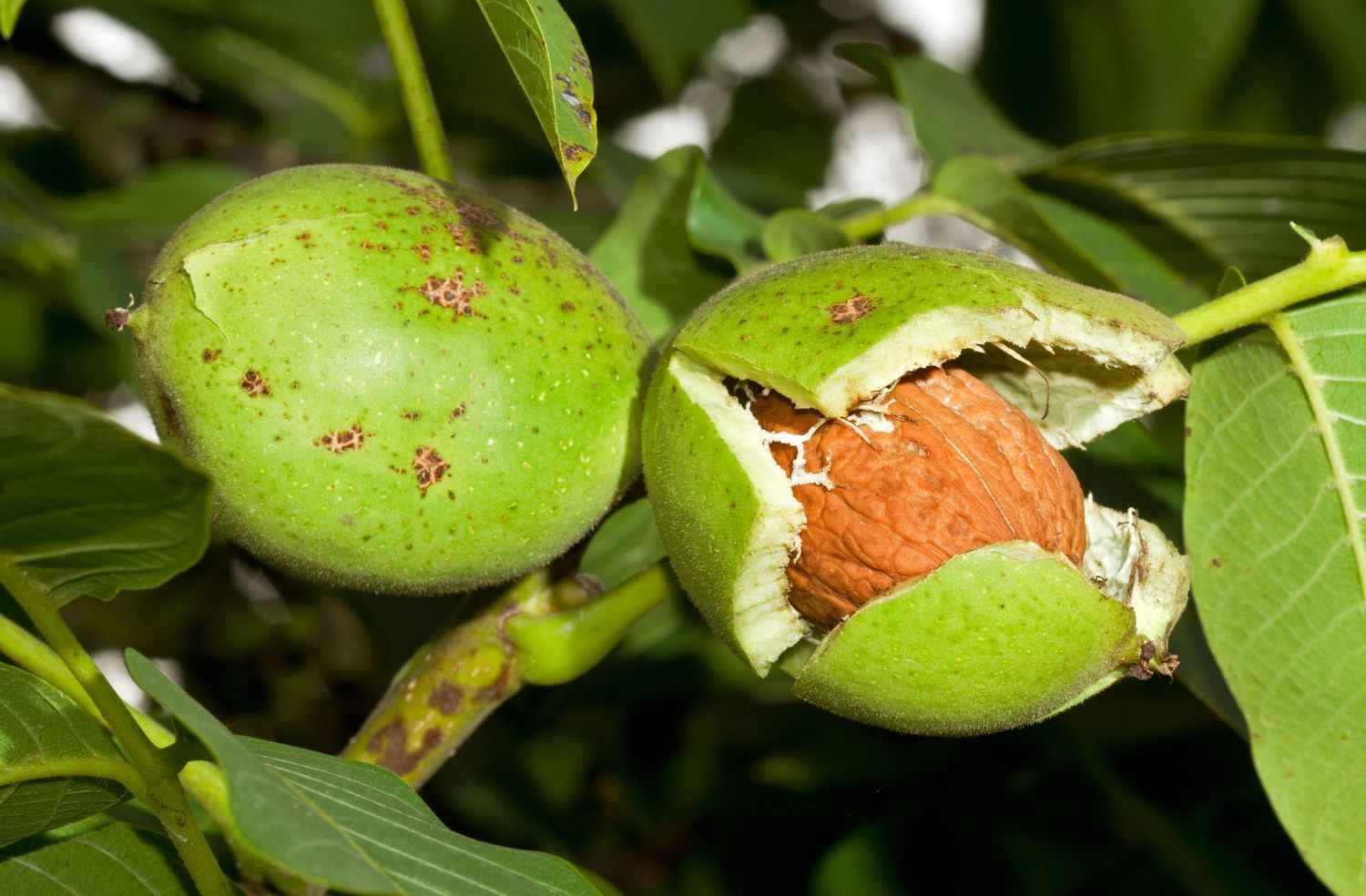
Export walnut from Iran has gained significant recognition due to the Iran’s longstanding history and expertise in producing high-quality walnuts. Iran's favorable climate and traditional cultivation methods contribute to walnuts that are rich in flavor and high in nutritional value, making them a competitive product in international markets.
Iranian best quality walnuts for Export
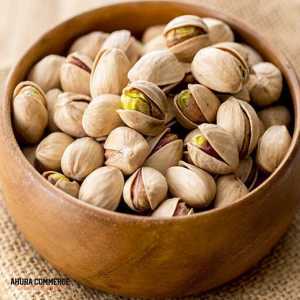
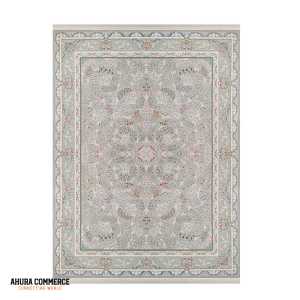
Iran plays a vital role in global trade, and the export walnut from Iran is part of a broader range of high-demand products. While Iran is a leading exporter of oil and petroleum products, the country also exports non-oil products like walnuts, pistachios, saffron, and Persian carpets and etc… . Export walnut from Iran benefits from this diversification of Iran’s export portfolio, which caters to both luxury and commercial & international markets.
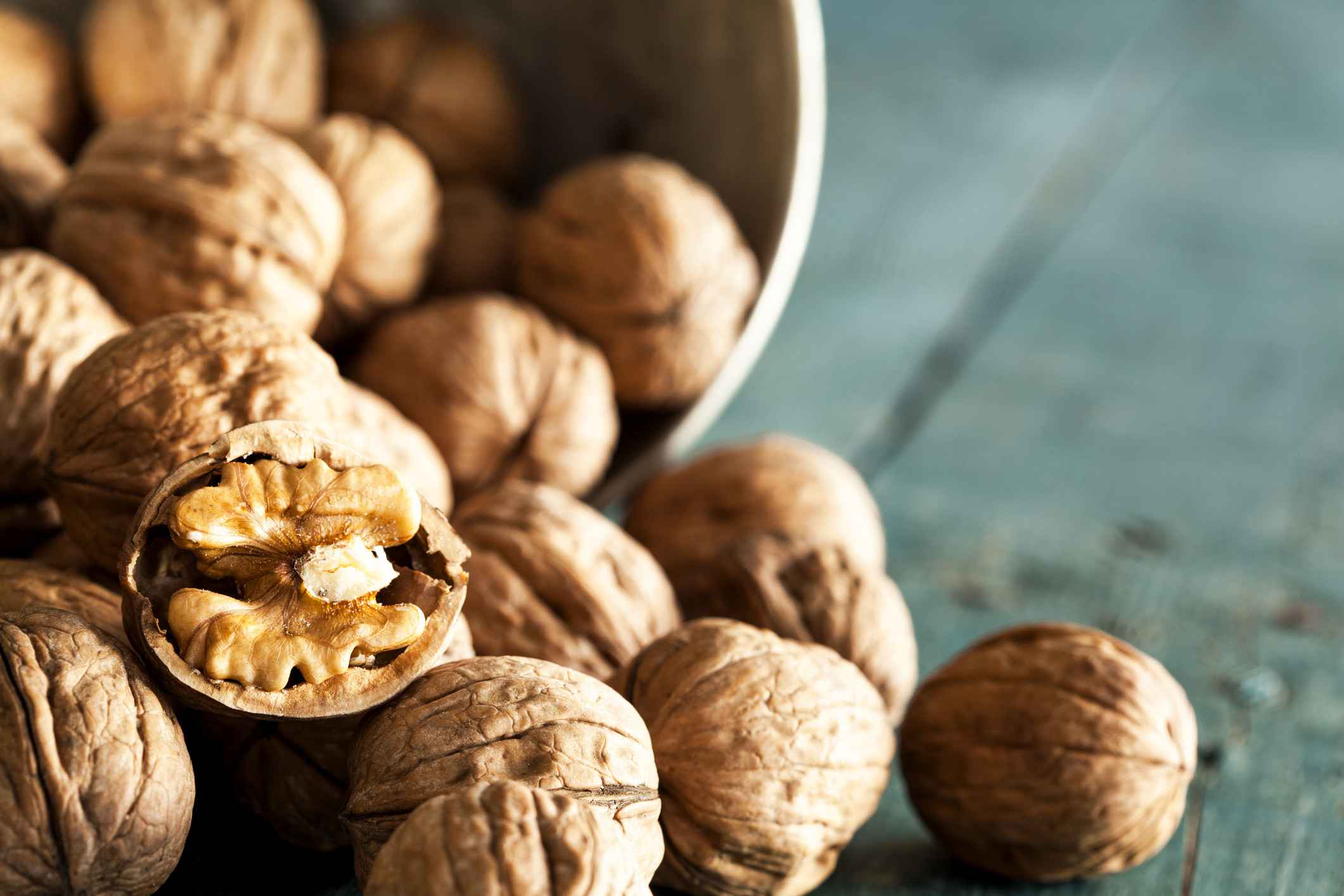
Walnuts, in particular, are renowned for their large size, thin shells, and high natural oil content. These qualities make Iranian walnuts a premium choice for businesses involved in food production and industries, retail, and confectionery. The export walnut from Iran has become an increasingly important non-oil commodity, contributing to the country's agricultural export revenues.
Regulations & laws for exporting walnuts
The process of export walnut from Iran requires navigating various trade regulations and complying with export laws. Exporters must obtain an export license and ensure that their products meet international standards, particularly in terms of quality control and packaging requirements. Iran's customs authorities play a key role in overseeing these exports, ensuring that the products are fit for international trade.
Key documents, such as commercial invoices, certificates of origin, and packing lists, are required for doing the customs clearance process in the smoothest way. The export walnut from Iran must also adhere to specific tariffs and duties imposed by the importing country, which can affect pricing strategies for international markets.





































































What we must know about export walnut from Iran?
Here are some key statistics about walnut production and the export walnut from Iran:
-
Global Ranking of Iran
Iran is one of the top five producers of walnuts in the world, alongside countries such as China, the United States, and Turkey.
-
High Annual Production of walnuts
On average, Iran produces approximately 400,000 metric tons of walnuts annually, making it a major contributor to the global walnut market. Iran accounts for about 12-15% of global walnut production. That is why, Iranian walnuts are one of the best among all the produced walnuts.
-
Walnut Growing Areas and fields in Iran
Major walnut-growing regions in Iran include the provinces of Kerman, Hamedan, Zanjan, and Tuyserkan. These areas are known for their high-quality produce, thanks to favorable climate conditions and centuries-old cultivation techniques.
-
High Export Volume of Walnuts
Iran exports around 85,000 metric tons of walnuts annually. This includes both shelled and in-shell walnuts, which are shipped to countries across Europe, Asia, and the Middle East.
- Export Value of Iranian walnuts
The export walnut from Iran generates around $150-200 million USD in annual revenue, contributing significantly to the country's non-oil exports.
These statistics illustrate Iran's importance in the global walnut industry and its significant role in both production and export markets of Iranian walnuts producers.
Most Important Iranian Walnut’s destinations
Export walnut from Iran reaches various global markets, with some of the major trading partners being China, India, Turkey, and the UAE. These countries are among the largest importers of agricultural goods from Iran, including walnuts. In recent years, Iranian walnuts have gained traction in Europe and other regions due to their exceptional quality and competitive pricing.
As Iran continues to diversify its non-oil exports, the export walnut from Iran offers international businesses access to a stable and reliable source of premium agricultural products. Iran's geographic proximity to key markets in Asia and the Middle East further enhances its role as a major supplier of walnuts.
Here are the top exporting destinations for exporting Iranian walnuts:
-
Export walnut from Iran to China
- China is one of the largest importers of Iranian walnuts, driven by high demand for both shelled and in-shell walnuts.
-
Export walnut from Iran to Turkey
- Turkey imports a significant quantity of walnuts from Iran due to its proximity and strong trade ties.
-
Export walnut from Iran to India
- India, with its growing consumption of nuts, is a major destination for Iranian walnut exports.
-
Export walnut from Iran to the United Arab Emirates (UAE)
- The UAE serves as both a direct consumer and a re-export hub for Iranian walnuts to other parts of the Middle East and beyond.
-
Export walnut from Iran to Iraq
- Iraq imports a substantial amount of walnuts from Iran due to their geographical proximity and trade connections.
-
Export walnut from Iran to Russia
- Russia is an emerging market for Iranian walnuts, particularly for high-quality in-shell walnuts.
-
Export walnut from Iran to Germany
- Germany is a leading importer of Iranian walnuts in Europe, where the demand for healthy snacks and ingredients is growing.
-
Export walnut from Iran to Italy
- Italy has a strong market for nuts, making it a key destination for Iranian walnut exports.
-
Export walnut from Iran to Lebanon
- Lebanon imports significant quantities of Iranian walnuts, especially for its culinary use in traditional dishes.
-
Export walnut from Iran to Armenia
- Armenia has close trade ties with Iran and is a regular importer of walnuts, benefiting from their proximity.
Best time to buy and export walnuts from Iran
These countries represent the main destinations where Iranian walnuts are highly valued for their quality, taste, and competitive pricing.
The best season for exporting walnuts from Iran is typically during the late fall and winter months, from October to February. Here's why:
- Harvest Time: Walnuts in Iran are usually harvested in September and October. The fresh crop is then processed, dried, and made ready for export.
- Peak Demand: International markets often see an increase in demand for walnuts during the fall and winter seasons due to holiday seasons like Thanksgiving, Christmas, and New Year in various countries.
- Quality and Freshness: Walnuts are at their freshest right after the harvest. Exporting in the months immediately following ensures that international buyers receive high-quality, fresh walnuts.
Exporters often begin preparing their shipments in late October, with the export process peaking through November and December, making this the optimal period for exporting Iranian walnuts.
Challenges and Opportunities in Exporting Walnut from Iran
While the export walnut from Iran offers high-quality products to international markets, several challenges and opportunities shape the landscape for exporters.
Challenges of Exporting Walnuts from Iran:
- International Sanctions: Although food products like walnuts are generally exempt from sanctions, the broader economic and financial restrictions on Iran can still pose difficulties. This includes complications with international payments and limited access to global banking networks.
- Logistics and Shipping: Due to sanctions, certain shipping routes are restricted, leading to higher transportation costs and delays. Exporters may need to rely on intermediary countries or regional hubs to facilitate the movement of goods.
- Compliance with International Standards: The export walnut from Iran requires strict adherence to global quality standards, including food safety and packaging regulations. Meeting these standards can be challenging, especially for smaller exporters unfamiliar with the requirements of different markets.
Opportunities during exporting Walnuts from Iran:
- High Demand for Premium Walnuts: Iranian walnuts are known for their high oil content, rich flavor, and thin shells, making them a preferred choice in global markets. As demand for nutritious and natural foods continues to rise, the export walnut from Iran benefits from increasing interest in high-quality, healthy snacks.
- Competitive Pricing: Compared to other walnut-producing countries, Iran offers competitively priced walnuts due to its lower production costs. This price advantage allows Iranian exporters to capture market share, particularly in emerging markets.
- Strategic Geographic Location: Iran’s location provides easy access to key markets in Asia, the Middle East, and Europe. This proximity shortens transit times and reduces shipping costs for exporters, giving them an edge in reaching customers faster.
- Expanding Non-Oil Export Sector: With Iran's increased focus on non-oil exports, the export walnut from Iran is part of a broader strategy to diversify the economy and reduce reliance on oil revenues. This shift opens up new opportunities for agricultural products like walnuts to play a larger role in Iran’s trade relationships.

What is the best packing for Iranian Walnuts?
When exporting walnuts from Iran, choosing the right packaging is crucial to ensure the product's quality and freshness are preserved during transportation. The best packaging for exporting walnuts from Iran typically includes the following considerations:
- Packaging Types
- Vacuum-Sealed Bags: This is an excellent option for keeping walnuts fresh by removing air, which helps prevent oxidation and moisture buildup. It’s ideal for high-value markets that demand premium quality.
- Polypropylene (PP) or Polyethylene (PE) Bags: These are durable and moisture-resistant materials, commonly used for bulk packaging of walnuts.
- Carton Boxes: Walnuts are often packed in cartons lined with plastic bags to protect them from moisture and physical damage. Carton boxes provide strength and are easy to handle during transport.
- Jute or Burlap Sacks: For bulk shipments, breathable sacks made of jute or burlap are sometimes used, though they are less protective against moisture.
- Sizes
- Bulk Packaging: Walnuts can be packed in 10 kg, 25 kg, or 50 kg sacks for bulk exports. These are standard for large-scale buyers, such as wholesale markets.
- Smaller Retail Packs: For retail, smaller packs ranging from 250 grams to 1 kg are more popular. These are often vacuum-sealed or packed in airtight containers for consumer markets.
- Packaging Materials
- Food-Grade Materials: It is essential that all packaging materials be food-grade certified to meet international standards for safety and hygiene.
- Moisture and Air Resistance: Walnuts are sensitive to moisture and air, so packaging must protect them from these elements to preserve their taste, texture, and nutritional quality.
- Labeling Requirements
- Country of Origin: Clearly indicate that the product is an "Export Walnut from Iran."
- Nutritional Information: This is especially important for retail packaging.
- Batch Number and Expiry Date: For quality control and traceability.
- Certifications: Include relevant certifications, such as ISO, HACCP, or organic certifications, if applicable.
- Shipping Considerations
- Palletizing: Bulk cartons or bags should be placed on pallets for easier loading and unloading during international shipping.
- Temperature Control: Depending on the destination and duration of the shipment, the walnuts may need to be stored in cool, dry conditions to maintain their quality. Temperature-controlled containers are ideal for this purpose.
By using appropriate packaging that prioritizes protection, hygiene, and branding, exporters from Iran can ensure that walnuts arrive in top condition, meeting the expectations of international buyers.
Logistics and Shipping Routes for Exporting Walnut from Iran
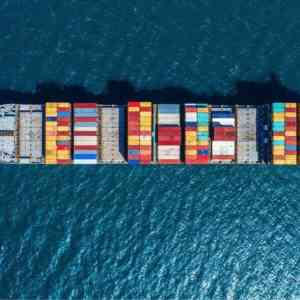
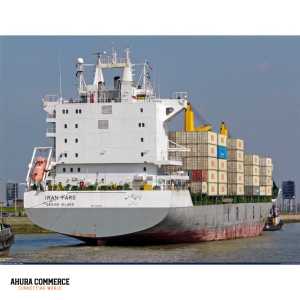
Iran's strategic position between Asia and Europe enables efficient shipping for export walnut from Iran. Major ports such as Bandar Abbas and Chabahar facilitate maritime exports, while overland trade routes provide access to neighboring countries.
- Sea Routes: The Port of Bandar Abbas on the Persian Gulf is Iran’s largest and busiest port, handling a significant portion of the export walnut from Iran. From here, shipments are sent to markets in China, India, and the UAE, as well as further afield to Europe and North America.
- Overland Routes: Iran’s extensive road and rail networks also play a crucial role in exporting walnuts to nearby countries such as Turkey, Iraq, and Afghanistan. Overland transport is often more cost-effective for regional exports, particularly to countries with strong trade ties to Iran.
Despite the logistical challenges imposed by international sanctions, Iranian exporters have developed innovative solutions to maintain access to global markets, using neighboring countries like the UAE and Oman as transshipment points.
Conclusion about Export Walnut from Iran
The exportation of walnut from Iran offers a lucrative opportunity for businesses seeking premium-quality agricultural products. Iranian walnuts, known for their superior taste and quality, are in high demand globally. By focusing on strategic markets, adhering to international standards, and overcoming logistical challenges, exporters can successfully capitalize on the growing global appetite for Iranian walnuts.
With the right partnerships and compliance strategies, the export walnut from Iran remains a highly desirable and profitable venture in the global trade of agricultural products.
In conclusion, the export walnut from Iran represents a significant opportunity for businesses seeking premium-quality agricultural products. Iran's expertise in walnut production, combined with its strategic location and strong trade relationships, positions Iranian walnuts as a valuable commodity in global markets. By adhering to export regulations and focusing on quality, businesses involved in the export walnut from Iran can successfully meet the growing demand for this nutritious and versatile product.


Ahura Commerce facilitates seamless international trade. Our platform empowers businesses of all sizes to navigate import/export regulations, connect with global partners, and optimize logistics. Leverage our expertise and network to achieve sustainable growth in today's interconnected marketplace.


