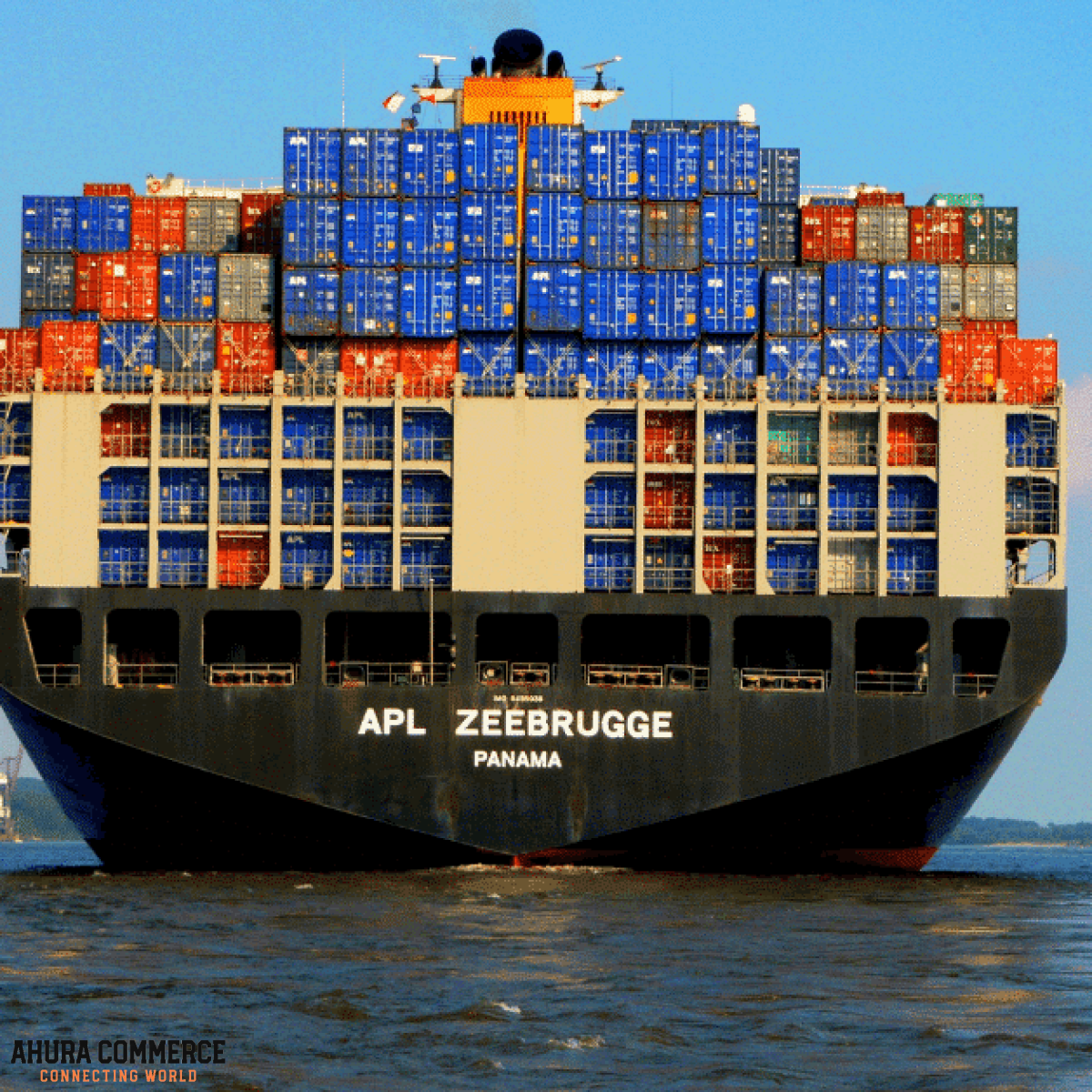
Export Iranian Rebar from Yazd Foulad Production
Rebar Exports from Iran: A Flourishing Industry on the Global Stage
Iran stands out as a significant contributor to the worldwide rebar market, shipping substantial quantities of this vital construction material to a diverse array of nations. The country's robust production capacity, competitive pricing, and strategically advantageous geographical location have played pivotal roles in establishing it as a leading exporter of rebar.
Key Drivers Behind Iran's Rebar Export Success
Several factors propel the thriving rebar export industry in Iran:
-
Abundance of Raw Materials: Iran possesses considerable reserves of iron ore and limestone, the primary raw materials for rebar manufacturing. This abundance ensures a consistent and reliable supply of inputs for rebar production.
-
Advanced Steelmaking Technologies: Iranian steel mills have made substantial investments in cutting-edge steelmaking technologies, enabling the production of high-quality rebars meeting international standards. These advancements enhance production efficiency and reduce overall costs.
-
Competitive Labor Costs: Iran benefits from relatively low labor costs compared to many other rebar-producing nations. This cost advantage positions Iranian rebars competitively in the global market, allowing the country to export at compelling prices.
-
Growing Construction Industry: Iran's construction sector is experiencing significant growth, fostering strong domestic demand for rebar. This demand provides a stable foundation for both rebar production and export.
-
Strategic Trade Collaborations: Iran has forged robust trade partnerships with neighboring countries, particularly Iraq and Afghanistan, providing direct access to key export markets. Moreover, the country has cultivated trade ties with other regions, including Africa, Asia, and Europe.
Major Export Destinations for Iranian Rebar
Iran exports rebars to a diverse range of countries, including:
-
Neighboring Countries: Significant export destinations include Iraq, Afghanistan, Turkmenistan, Azerbaijan, and Pakistan.
-
Africa: Iranian rebars find their way to various African nations, including Kenya, Uganda, and Nigeria.
-
Middle East: Iran has expanded its rebar exports to Middle Eastern countries, such as Saudi Arabia, the United Arab Emirates, and Oman.
-
Europe: Iran has established a presence in the European rebar market, particularly in Mediterranean countries like Greece, Italy, and Turkey.
Challenges and Opportunities in Iran's Rebar Export Landscape
While enjoying success in the rebar export market, Iran faces certain challenges:
-
Global Market Fluctuations: Rebar prices are susceptible to global market fluctuations, impacting Iran's export earnings and profitability.
-
Geopolitical Factors: Political tensions and trade restrictions can influence Iran's access to specific export markets or lead to trade disputes.
-
Regulatory Compliance: Adhering to international quality and safety standards is crucial for maintaining market access and customer confidence.
Future Outlook for Iran's Rebar Export
With its robust production capabilities, strategic trade alliances, and ongoing commitment to improving quality and efficiency, Iran is well-positioned to sustain and expand its presence in the global rebar market. As the country's construction industry continues to thrive and its emphasis on sustainable practices intensifies, Iran is poised to reinforce its reputation as a dependable and eco-conscious supplier of rebar on the international stage.