Sea Freight from Iran to Kenya with us
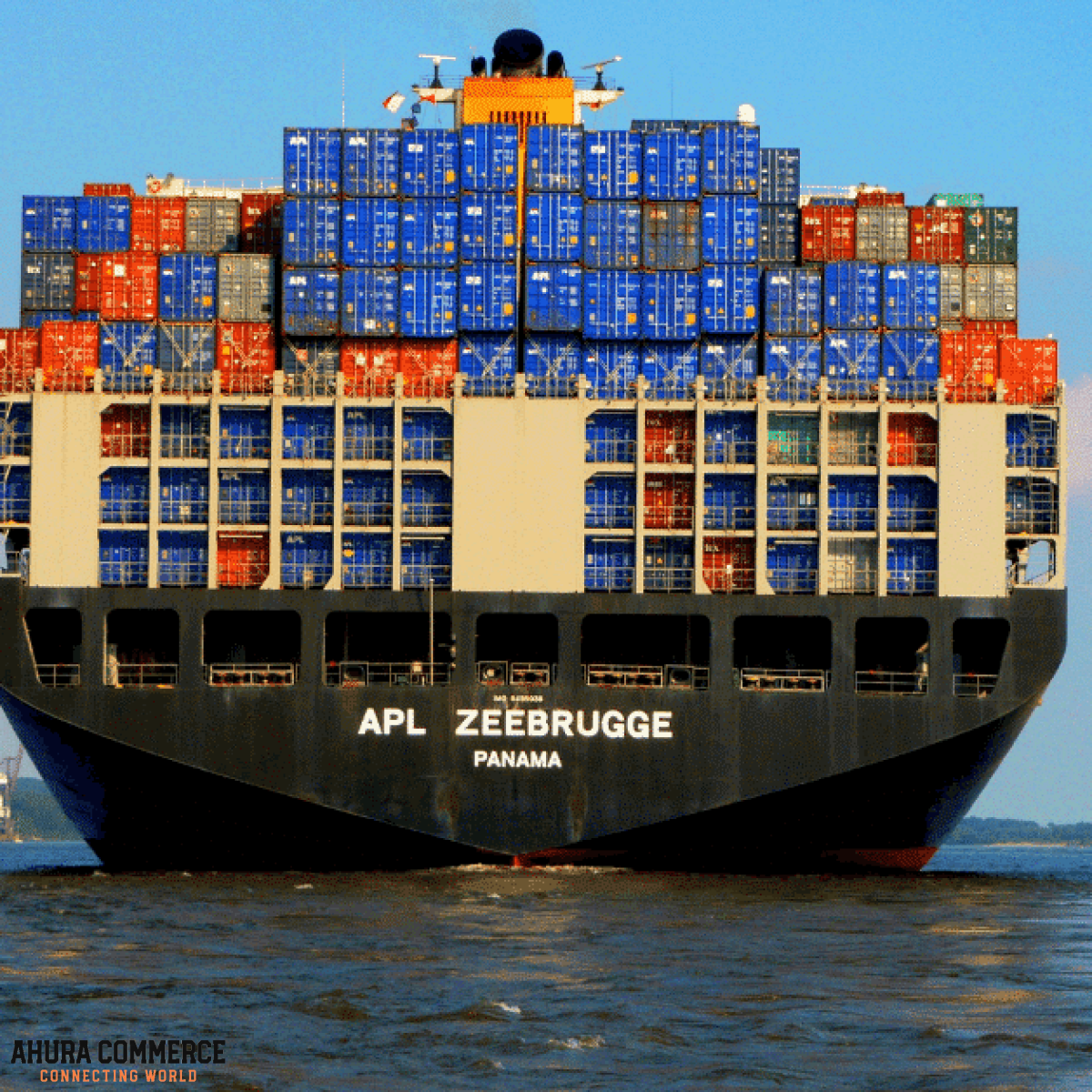
Sea Freight from Iran to Kenya is a vital mode of transportation that fosters trade between the two nations. Leveraging the strategic location of Iran’s ports and the well-established shipping routes across the Arabian Sea and the Indian Ocean, sea freight enables the efficient movement of goods. This connection not only supports trade relations but also contributes significantly to the economies of both Iran and Kenya by facilitating the exchange of a wide range of products.
Key Ports Involved in Sea Freight from Iran to Kenya
The ports that play a central role in Sea Freight from Iran to Kenya include Bandar Abbas, Bushehr, and Chabahar in Iran. These ports are equipped with modern facilities and advanced cargo handling systems, making them ideal hubs for international shipments. On the Kenyan side, Mombasa Port, the largest and busiest in the country, serves as the primary destination for goods arriving via sea freight. The seamless connectivity between these ports ensures that trade between the two nations flows smoothly.
Types of Goods Transported via Sea Freight from Iran to Kenya
A wide variety of goods are transported via Sea Freight from Iran to Kenya. Iran exports commodities such as petrochemical products, fertilizers, machinery, and building materials, while Kenya imports these to support its growing industries. In return, Kenya exports agricultural products like tea, coffee, and fresh produce, which are shipped back to Iran. This robust exchange of goods underscores the importance of sea freight as a cornerstone of trade between the two countries.
Cost-Effectiveness of Sea Freight from Iran to Kenya
Sea Freight from Iran to Kenya is one of the most cost-effective methods for transporting large volumes of goods. Compared to air freight, sea freight allows for the shipping of bulk commodities at a much lower cost, making it an attractive option for businesses looking to optimize their logistics and reduce expenses. Additionally, the availability of containerized shipping options further enhances the efficiency and affordability of sea freight, allowing companies to transport various types of cargo safely and economically.
Infrastructure Supporting Sea Freight from Iran to Kenya
Iran’s ports are equipped with state-of-the-art infrastructure that supports the efficient handling of sea freight. These ports feature deep-water harbors, large container terminals, and specialized facilities for managing different types of cargo, from bulk goods to perishables. This infrastructure is crucial in facilitating Sea Freight from Iran to Kenya, ensuring that goods are loaded, transported, and unloaded with precision. On the Kenyan side, Mombasa Port’s modern facilities ensure the smooth reception and distribution of goods across Kenya and into neighboring countries.
Importance of Sea Freight from Iran to Kenya for Regional Trade
Sea Freight from Iran to Kenya not only benefits the two countries directly involved but also plays a key role in regional trade. Kenya’s strategic position as a gateway to East Africa means that goods arriving via sea freight from Iran can be distributed to landlocked countries such as Uganda, Rwanda, and South Sudan. This makes sea freight an essential part of the broader trade network within the region, further enhancing its significance in international commerce.
Future Prospects for Sea Freight from Iran to Kenya
As trade relations between Iran and Kenya continue to strengthen, the importance of Sea Freight from Iran to Kenya is expected to grow. Both nations are investing in expanding and modernizing their port infrastructure, which will lead to increased trade volumes and more efficient shipping routes. The ongoing development of these ports, coupled with the rising demand for goods in both countries, signals a promising future for sea freight as a key driver of economic growth and cooperation between Iran and Kenya.